

Table of Contents
The Future of Virtual Assistance: Human + AI Collaboration
Virtual assistance technology stands at an unprecedented crossroads where artificial intelligence capabilities merge seamlessly with human expertise to create powerful collaborative partnerships. This transformative approach to virtual assistance represents a fundamental shift from traditional automated systems toward intelligent human-AI collaboration frameworks that amplify both human creativity and machine efficiency.
Organizations worldwide are discovering that the most effective virtual assistance solutions combine AI-powered automation with human oversight, creating hybrid models that deliver superior results across industries. The future of virtual assistance lies not in replacing human workers but in augmenting their capabilities through sophisticated AI collaboration tools that enhance productivity, improve decision-making, and enable more meaningful work experiences.
Beyond Traditional Automation: The Rise of Intelligent Partnerships
The traditional model of virtual assistance relied heavily on rule-based automation and simple task execution. However, the emergence of advanced AI collaboration technologies has fundamentally changed how virtual assistance operates in professional environments. Machine learning algorithms now work alongside human assistants to provide contextual understanding, predictive analytics, and adaptive responses that were previously impossible with standalone automation.
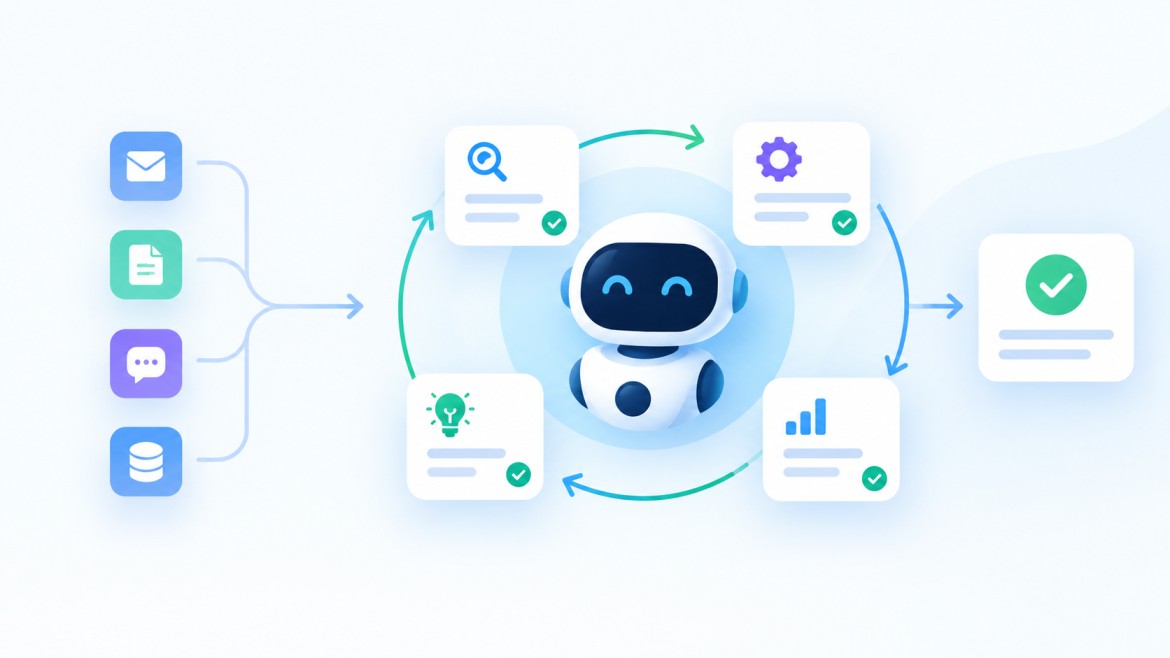
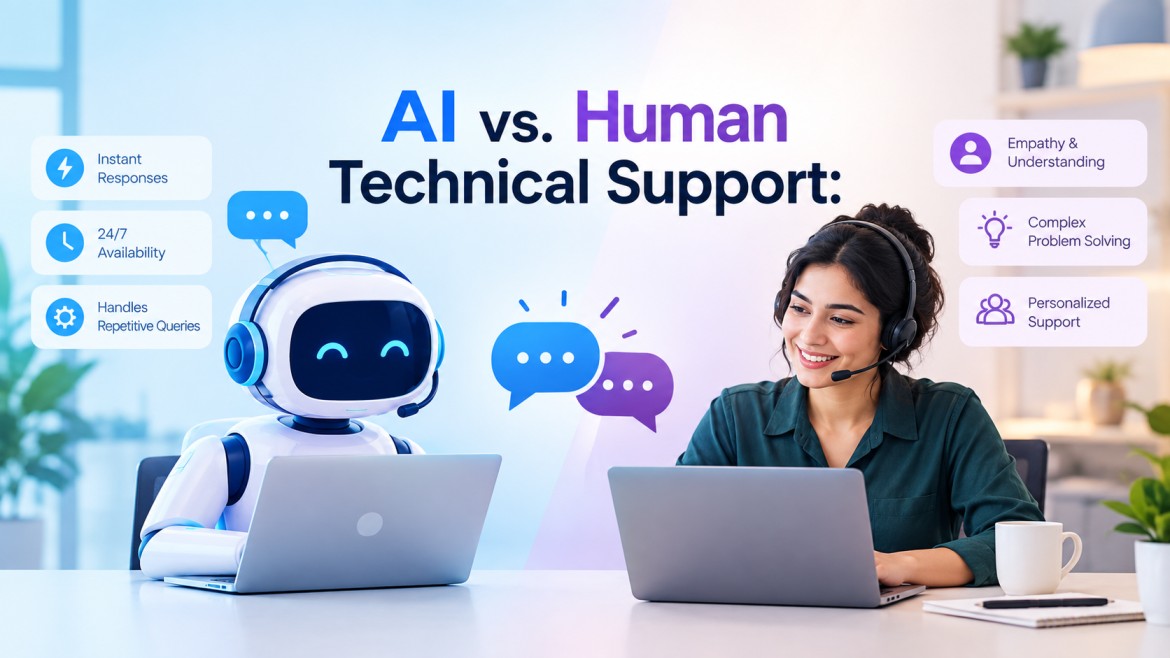
Human-AI collaboration in virtual assistance creates a symbiotic relationship where artificial intelligence handles routine data processing, pattern recognition, and initial response generation, while human assistants provide emotional intelligence, creative problem-solving, and complex decision-making capabilities. This collaborative approach ensures that virtual assistance services maintain the efficiency of AI-powered systems while preserving the nuanced understanding and empathy that only human interaction can provide.
Key benefits of intelligent partnerships include:
- Natural Language Processing: Advanced NLP enables AI systems to understand context and sentiment in communications
- Sentiment Analysis: Real-time emotional intelligence helps human assistants respond appropriately to user needs
- Behavioral Prediction: Machine learning models anticipate user preferences and requirements
- Pattern Recognition: AI identifies trends and insights that inform strategic decision-making
- Adaptive Response Generation: Systems learn and improve from each interaction
Modern virtual assistance platforms leverage natural language processing, sentiment analysis, and behavioral prediction models to support human assistants in delivering personalized, contextually appropriate responses. These AI collaboration tools analyze communication patterns, identify user preferences, and suggest optimal response strategies, enabling human assistants to focus on high-value activities that require critical thinking and interpersonal skills.
Transforming Business Operations Through Collaborative Intelligence
Organizations implementing human-AI collaboration in their virtual assistance programs report significant improvements in operational efficiency and customer satisfaction. The integration of AI-powered analytics with human intuition creates virtual assistance solutions that can anticipate needs, identify opportunities, and provide proactive support across multiple business functions.
Virtual assistance teams utilizing AI collaboration technologies demonstrate enhanced capabilities in project management, customer service, and administrative support. Artificial intelligence systems process vast amounts of data to identify trends, generate insights, and recommend actions, while human assistants interpret these recommendations within the broader business context and make strategic decisions based on organizational goals and stakeholder relationships.
Industries benefiting from collaborative virtual assistance:
- Professional Services Firms: Streamlined client communication and document management
- Technology Companies: Enhanced technical support and product development coordination
- Healthcare Organizations: Improved patient scheduling and administrative efficiency
- E-commerce Businesses: Optimized customer service and order processing
- Financial Services: Data-driven insights combined with personalized client relationships
The synergy between human creativity and AI efficiency in virtual assistance extends beyond simple task completion to strategic business support. Human-AI collaboration enables virtual assistants to contribute to business development, market analysis, and strategic planning by combining data-driven insights with human understanding of market dynamics and customer behavior.
Redefining Professional Relationships in the Digital Age
The integration of AI collaboration tools in virtual assistance is reshaping professional relationships and creating new paradigms for remote work and distributed teams. Human assistants working with AI-powered systems can provide more comprehensive support to multiple clients simultaneously while maintaining personalized service quality that rivals traditional one-to-one assistant relationships.
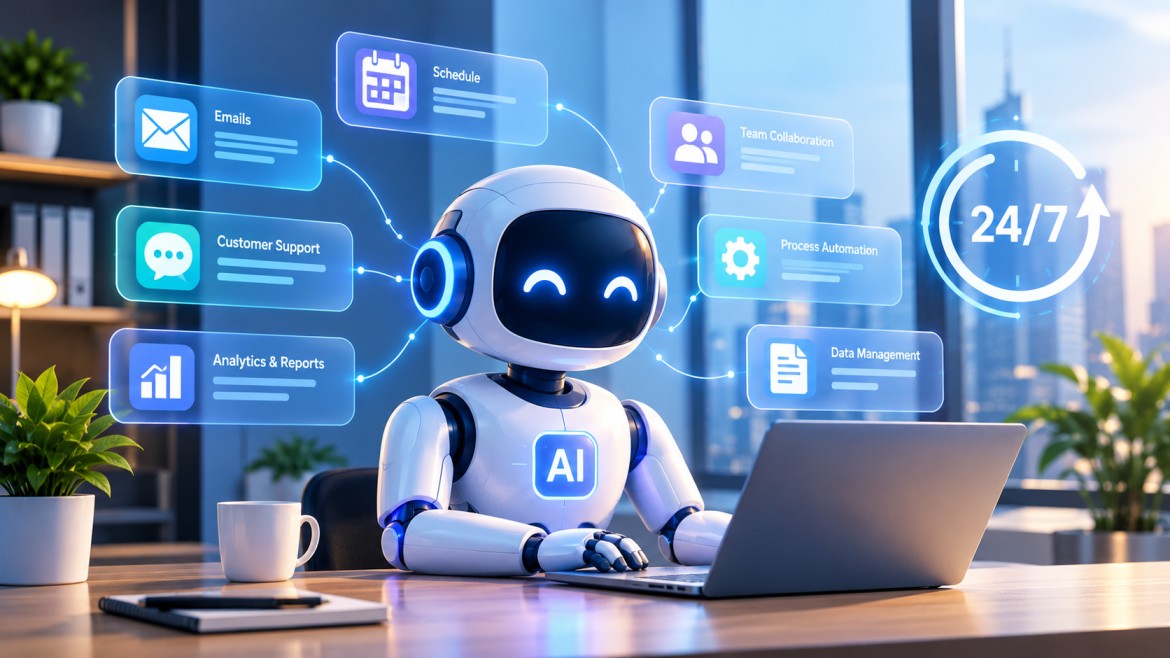
Virtual assistance powered by human-AI collaboration enables unprecedented flexibility in professional support services. Artificial intelligence systems can monitor communication channels, prioritize tasks, and prepare preliminary responses, allowing human assistants to focus on relationship building, strategic communication, and complex problem resolution that requires emotional intelligence and cultural sensitivity.
How AI collaboration enhances professional relationships:
- Multi-Client Support: AI handles routine tasks, enabling assistants to serve more clients effectively
- Communication Monitoring: Automated systems track multiple channels simultaneously
- Task Prioritization: Intelligent algorithms ensure urgent matters receive immediate attention
- Preliminary Response Preparation: AI drafts initial responses for human review and personalization
- Relationship Building Focus: Human assistants dedicate more time to strategic communication
This collaborative approach to virtual assistance creates opportunities for human assistants to develop specialized expertise in areas where human judgment and creativity are most valuable, while AI systems handle routine processing and data management tasks. The result is a more fulfilling professional experience for human assistants and more effective support for the professionals they serve.
Building Resilient Support Systems Through Adaptive Technology
The future of virtual assistance depends on creating resilient support systems that can adapt to changing business requirements and technological advancements. Human-AI collaboration frameworks must be designed with flexibility and scalability in mind, allowing virtual assistance programs to grow and adapt alongside organizational needs.
Adaptive virtual assistance systems combine machine learning capabilities with human oversight to continuously improve performance and expand service offerings. AI collaboration tools learn from human assistant interactions, feedback, and decision patterns to refine their recommendations and support capabilities over time. This continuous improvement process ensures that virtual assistance services become more effective and valuable as they mature.
Core elements of resilient support systems:
- Continuous Learning: AI systems improve through ongoing analysis of human interactions and feedback
- Scalability: Infrastructure expands seamlessly to accommodate growing organizational needs
- Flexibility: Systems adapt quickly to new tools, platforms, and communication channels
- Human Oversight: Expert guidance ensures AI systems handle edge cases appropriately
- Knowledge Preservation: Institutional expertise is captured and maintained through human involvement
The resilience of collaborative virtual assistance systems lies in their ability to leverage both artificial intelligence processing power and human adaptability. When AI systems encounter unfamiliar situations or edge cases, human assistants can provide guidance and context that enables the system to learn and improve its responses for similar future scenarios.
Organizations investing in human-AI collaboration for virtual assistance are building support infrastructures that can withstand technological disruptions and market changes. These hybrid systems can quickly adapt to new tools, platforms, and communication channels while maintaining consistent service quality and preserving institutional knowledge through human expertise.
Addressing Implementation Challenges & Opportunities
Successfully implementing human-AI collaboration in virtual assistance requires careful consideration of training requirements, technology integration, and organizational change management. Human assistants need comprehensive training on AI collaboration tools and methodologies, while organizations must invest in technology infrastructure that supports seamless integration between human and artificial intelligence systems.
Critical implementation considerations:
- Training Requirements: Comprehensive programs covering both technical AI tools and essential soft skills
- Role Definition: Clear delineation of responsibilities between human assistants and AI systems
- Workflow Optimization: Streamlined processes that maximize human-AI collaboration efficiency
- Technology Infrastructure: Robust systems supporting seamless integration and data flow
- Privacy & Security: Comprehensive protocols protecting sensitive information throughout workflows
- Change Management: Structured approaches to organizational adaptation and adoption
The most successful virtual assistance programs implementing AI collaboration focus on clear role definition and workflow optimization. Human assistants must understand how to effectively leverage AI-powered insights and recommendations while maintaining their unique value proposition in areas requiring emotional intelligence, creative problem-solving, and strategic thinking.
Privacy and security considerations play a crucial role in virtual assistance implementations involving AI collaboration. Organizations must ensure that sensitive information is protected throughout the human-AI workflow while maintaining the transparency and accountability necessary for effective collaboration between human assistants and artificial intelligence systems.
Essential skills for human assistants in AI collaboration:
- Technical Proficiency: Understanding AI collaboration tools and platforms
- Critical Thinking: Evaluating AI recommendations within business context
- Communication Excellence: Articulating complex information clearly and effectively
- Adaptability: Adjusting quickly to new technologies and methodologies
- Emotional Intelligence: Providing empathetic support that AI cannot replicate
Measuring Success in Collaborative Virtual Assistance
Traditional metrics such as task completion rates and response times remain relevant, but organizations must also consider metrics related to collaboration effectiveness and user satisfaction with hybrid service delivery.
Key performance indicators for collaborative virtual assistance:
- Traditional Metrics: Task completion rates, response times, and throughput efficiency
- Accuracy Improvements: Error reduction through combined AI-human review processes
- Consistency Scores: Service quality maintenance across multiple interactions
- Scalability Measures: Ability to handle increasing workloads without quality degradation
- User Satisfaction: Client feedback on hybrid service delivery experience
- Adaptability Index: Speed and effectiveness in handling new requirements
- User Retention: Long-term client satisfaction and continued engagement
- Task Complexity Growth: Progressive handling of increasingly sophisticated assignments
Virtual assistance programs utilizing AI collaboration demonstrate measurable improvements in accuracy, consistency, and scalability compared to purely human or purely automated systems. The combination of AI-powered analysis with human judgment reduces errors while maintaining the flexibility and personalization that users expect from premium virtual assistance services.
Long-term success metrics for collaborative virtual assistance include adaptability to changing requirements, user retention rates, and the ability to handle increasingly complex tasks through effective human-AI partnership. These metrics reflect the strategic value that collaborative virtual assistance brings to organizations beyond simple task completion.
Navigating Ethical Considerations in Collaborative Intelligence
The integration of human-AI collaboration in virtual assistance raises important ethical questions that organizations must address proactively. Transparency becomes paramount when artificial intelligence systems influence decision-making processes, as users deserve to understand when and how AI collaboration affects the support they receive. Virtual assistance providers must establish clear guidelines about data usage, algorithmic decision-making, and the respective roles of human assistants and artificial intelligence in service delivery.
Critical ethical considerations:
- Transparency: Clear communication about AI involvement in service delivery
- Data Usage Policies: Explicit guidelines on information collection and utilization
- Algorithmic Decision-Making: Documented processes for AI-influenced recommendations
- Role Clarity: Defined boundaries between human and AI responsibilities
- User Consent: Informed agreement to AI-assisted service delivery
Bias mitigation represents another critical consideration in collaborative virtual assistance systems. Human assistants working with AI-powered tools must be trained to recognize potential algorithmic biases and equipped with protocols for addressing situations where artificial intelligence recommendations may reflect unfair or discriminatory patterns. This requires ongoing monitoring of AI collaboration outcomes and regular assessment of how human-AI partnerships impact different user groups.
Accountability framework components:
- Error Attribution: Clear protocols for determining responsibility in collaborative outcomes
- Human Oversight Capabilities: Mechanisms for intervention when AI operates outside parameters
- User Recourse Mechanisms: Established channels for addressing unsatisfactory outcomes
- Liability Distribution: Defined responsibility boundaries between systems and personnel
- Quality Assurance: Regular audits of human-AI collaboration effectiveness
The question of accountability in human-AI collaboration for virtual assistance demands careful consideration of liability and responsibility distribution. Organizations must establish clear frameworks for determining accountability when collaborative systems make errors or produce unsatisfactory outcomes. This includes defining the boundaries between human assistant responsibilities and AI system limitations, ensuring that users have appropriate recourse mechanisms, and maintaining human oversight capabilities that can intervene when artificial intelligence systems operate outside acceptable parameters.
Privacy protection in collaborative virtual assistance environments requires sophisticated approaches that safeguard user information throughout the human-AI workflow. Organizations must implement technical and procedural safeguards that protect sensitive data while enabling effective collaboration between human assistants and artificial intelligence systems, ensuring that privacy considerations do not compromise service quality or collaborative effectiveness.
Final Thoughts
As AI collaboration technologies continue advancing, the synergy between human creativity and machine intelligence will define the next generation of virtual assistance solutions. Organizations that invest in collaborative virtual assistance frameworks position themselves to thrive in an increasingly complex business environment where human insight and artificial intelligence work together to deliver exceptional results.
The future of virtual assistance is not about choosing between human expertise and artificial intelligence—it’s about harnessing the unique strengths of both to create support systems that are more efficient, more effective, and more adaptable than ever before. As technology continues to evolve, the most successful organizations will be those that embrace this collaborative approach and invest in building resilient, ethical, and human-centered virtual assistance programs.
Ready to Transform Your Business with Professional Virtual Assistance?
Regardless of the size of the business you represent, if you’re considering hiring virtual assistants for your projects, VoxtenD is here to help. Our suite of VA services covers all aspects of virtual assistance and beyond, ensuring that your business gets the help it needs, no matter the size or needs of your business.
Why choose VoxtenD?
- ✓ Comprehensive VA Services: From administrative support to strategic business assistance
- ✓ 24/7 Availability: Round-the-clock support whenever your business needs it
- ✓ Human-AI Collaboration: Cutting-edge technology combined with expert human oversight
- ✓ Scalable Solutions: Services that grow with your business requirements
- ✓ Industry Expertise: Experienced assistants across multiple business sectors
With round-the-clock availability, VoxtenD is your partner in achieving business success. Contact us today to explore how our services can benefit your business.

 More News