

Benefits of Offshore Technical Support Services
Outsourced technical support is a massive market of 28.5 billion dollars and growing at around 8 per cent to possibly reach 53 billion by the year 2033. As the world shifts towards SaaS products and most issue resolutions can be handled digitally or with remote communication tools, the demand for offshore technical support will not be fading any time soon. Comapred to onshore hiring of such experts, businesses are estimated to have saved upwards of seventy to eighty per cent in terms of costs. More than half of organizations globally have outsourced their front desk operations, and even the majority of small businesses in the United States plan to opt more offshore technical support in the future.
Key Benefits of Offshore Technical Support Services
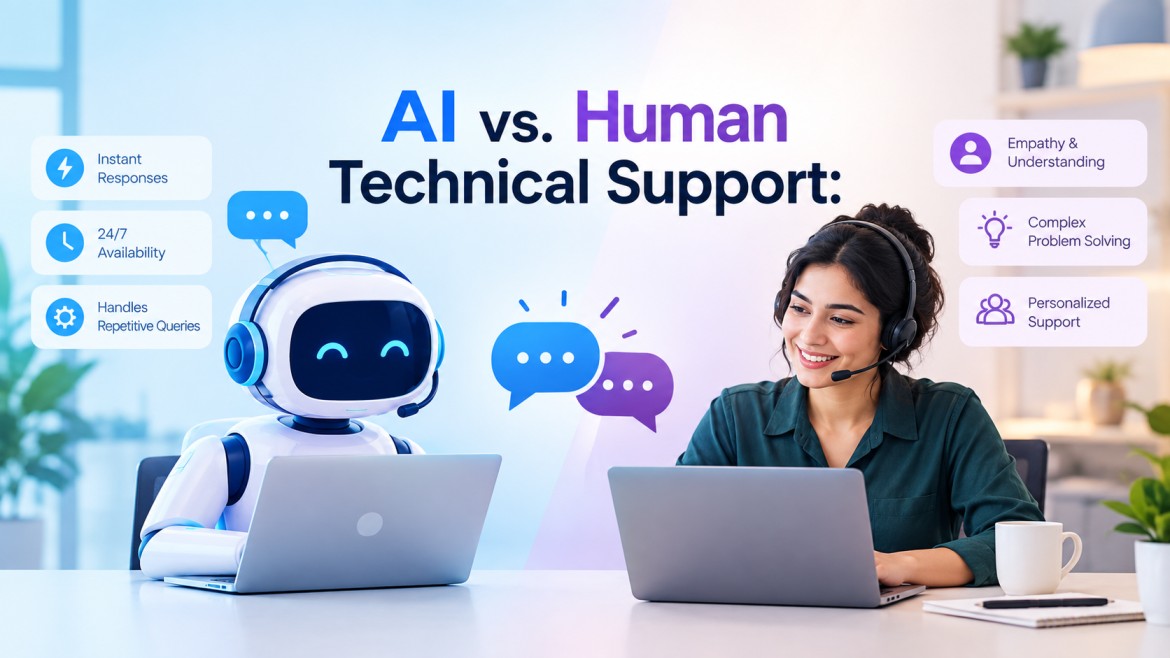
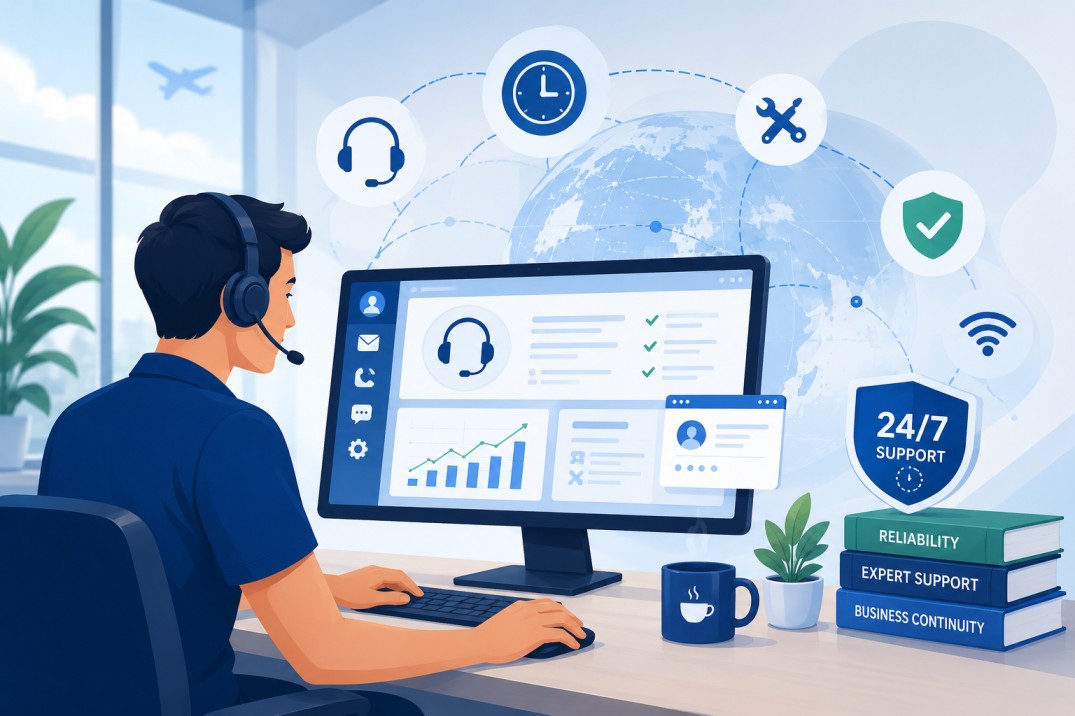
Offshore technical support services have offered high levels of expertise, work effectiveness, and service quality all within a fraction of the cost required by onshore employees. They also are capable of handling high volumes of requests while seamlessly managing different levels of complexity. Thanks to global communication channels that rarely experience downtime, and digital remote device control tools like AnyDesk and the like, these offshore experts can work as though they are right behind their customers’ desks guiding their issue resolution rather than offering solutions from far away.
How Offshore Technical Support Enhances Business Operations
Technical support services offer tier 1 or level 1 support that involves basic troubleshooting, ticket forwarding, and even simple tasks like password resets. Level 2 and 3 support involves more advanced help, like fixing network configuration issues, dealing with servers that need maintaining, and assisting with Cloud problems. They can be made to work in shifts to cover support efforts around the clock, while leaving core experts to deal with strategic, high value work onshore. Based on the time of year or the unexpected surge in customer demand, these external teams can be scaled up or down as per a business’s particular needs with zero need for severance pay and the like.
Choosing the Right Offshore Technical Support Partner
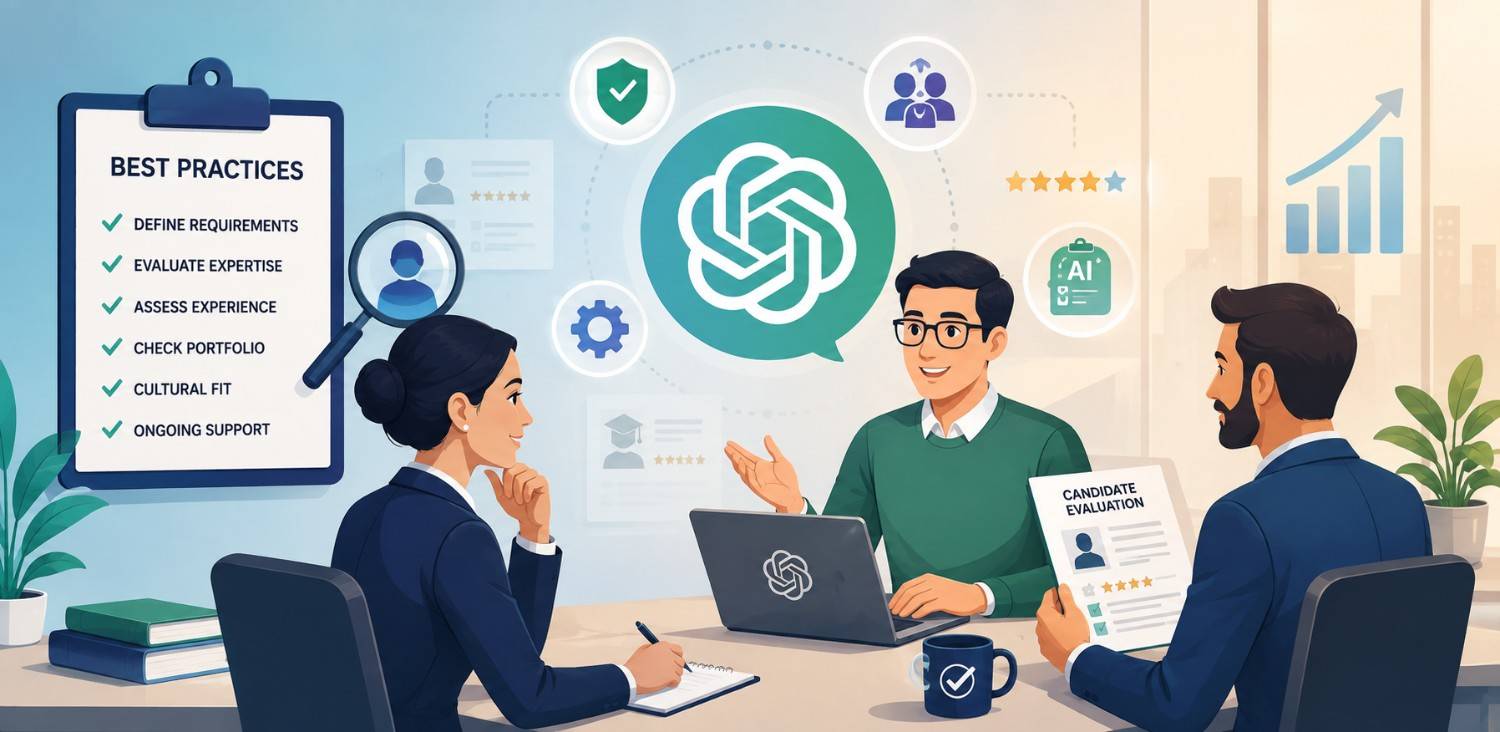
Communication styles must be a good fit within the overall culture of the company that hires them. Service offerings and portfolios should be carefully analyzed to see if they can meet your industry’s needs well. If possible, meet with prior clientele and ask them yourself as to whether they were satisfied with the service they received. Conduct mock projects or small live demos to evaluate their performance firsthand. Make sure they hold teh right data security and other technical certifications too.
Final Thoughts
Technical support services can be a backbone for understaffed companies that still need to meet their growing customer base at any time of the day to address their issues. These experts offer uninterrupted availability, smarter ticket management, deep expertise in both systems and verticals, and can train internal teams on how to handle certain niche ticket requests as well. Since global connectivity came onto the scene, many businesses have relied on such remote technical support to avoid paying excessive overhead for onshore employees who may require more overtime pay and perks. For the best experience with outsourced technical support, a thorough vetting is required before onboarding them to handle your customers’ many issues.
Call-To-Action
Regardless of the size of the business you represent, if you’re considering hiring technical support experts for your projects, VoxtenD is here to help. Our suite of VA services covers all aspects of technical support and beyond, ensuring that your business gets the help it needs, no matter the size or needs of your business. With round the clock availability, VoxtenD is your partner in achieving business success. Contact us today to explore how our services can benefit your business.
Frequently Asked Questions
Q1: What are offshore technical support services?
A: Remote technical support basically involve hiring providers that can offer cost savings, scalability, and time zone advantages when it comes to handling the tickets and other technical issues of clients and customers worldwide. They can offer tier 1 and tier 2 ticket support for initial troubleshooting and advanced help respectively, they can navigate ticket management systems and use remote support tools to remotely access devices to resolve issues. All these and other functions can be handled by them on a 24/7/365 basis depending on the preferred engagement model, and mundane repetitive or even low skilled tasks can be taken over by them to free up the time of core employees.
Q2: What are the benefits of offshore technical support?
A: Outsourced technical support can bring about a wide variety of benefits, some of which include cost savings, talent access, 24/7 customer support, and more time for core tasks. Most technical support services are outsourced to regions which have a lower cost of living and hence demand much less in terms of pay and overtime compensation compared to onshore teams. They feature seasoned and knowledgeable talent who hold certifications from reputable institutes. They can work via flexible working arrangements to address customer and client needs on a 24/7/365 basis if needed. They can also handle lower tiered tickets and other mundane support tasks that would otherwise eat up the precious time of strategic employees.
Q3: Which businesses benefit most from offshore technical support services?
A: Basically every business with a growing customer base that may require technical support will find offshore technical support services to be a benefit, and this can also be true for internal teams that need remote technical support themselves. When it comes to industries that benefit from outsourced technical support, healthcare institutions can benefit from helpdesk services, fintech companies can handle transaction issues with their help, telecom providers can address customers in case of service outage, eCommerce stores can handle more order volumes and inventory tracking, and software development firms can outsource their tickets effectively. Even industries operating or dealing in heavy equipment can help themselves and their customers/clients this way.
Q4: How do offshore technical support providers ensure data security?
A: Remote technical support providers ensure data security by passing through strict security certification tests like ISO 27001, SOC 2, GDPR, HIPAA, etc. They decide and enforce which roles get access to certain data, some also go for a zero trust approach, while others put in place ptotocols to counter any data loss. They also abide by non disclosure agreements (NDAs) and service level agreements (SLAs). They focus on encrypting data at crucial points and some employ VPN usage for housing internal data while others encourage multi factor authentication (MFA). The most security obsessed providers enforce physical data access barriers like biometric scanning (on employees whose backgrounds have been checked before their hire) and single building or single server data silos. Continuous monitoring and penetration testing are also conducted.
Q5: How do I choose the right offshore technical support company?
A: You can carefully vet outsourced technical support by evaluating prospective technical support services providers by the way their service level agreements (SLAs) are structured and honored, by the technical and security certifications they hold like ISO 27001, SOC 2, GDPR, HIPAA, etc., by checking whether their communication and reportage styles fit well with your company’s practices and culture, and whether they have operated in your domain, industry, or vertical before. You must also check whether their previous clients have been satisfied with their results and performance. Consider asking for live project demos to measure their effectiveness in person rather than just taking their word for it. To evaluate these projects, consider going for trusted support experts who can track their work.

 More News