
Using AI to Improve IT Help Desk Efficiency
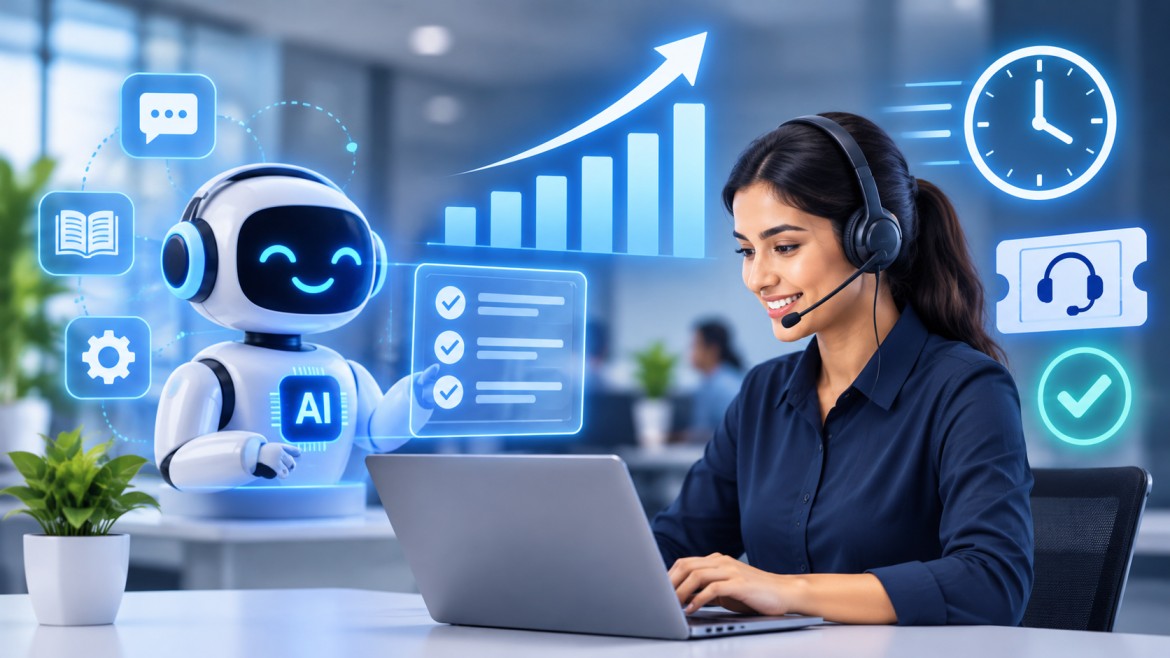
IT help desks manage a constant flow of employee requests, technical issues, password resets, software errors, and system disruptions. As businesses expand, handling these requests manually can overwhelm support teams and increase resolution times. Artificial intelligence (AI) offers a practical way to improve service delivery while reducing repetitive workloads. With intelligent automation, businesses can categorize tickets, suggest solutions, detect recurring issues, and provide employees with faster assistance. A well-planned AI strategy for businesses helps organizations integrate these capabilities into existing IT operations. It also enables support teams to prioritize complex problems and maintain consistent service quality. By combining automation with human expertise, companies can build responsive help desks that support productivity and business continuity.
How AI-Powered Automation Streamlines IT Help Desk Operations
Traditional IT help desks often depend on manual ticket handling, which creates delays during busy periods. Support agents must review incoming requests, identify their categories, assign priorities, and forward tickets to appropriate technicians. AI-powered automation simplifies these processes by handling routine activities with greater speed and consistency.
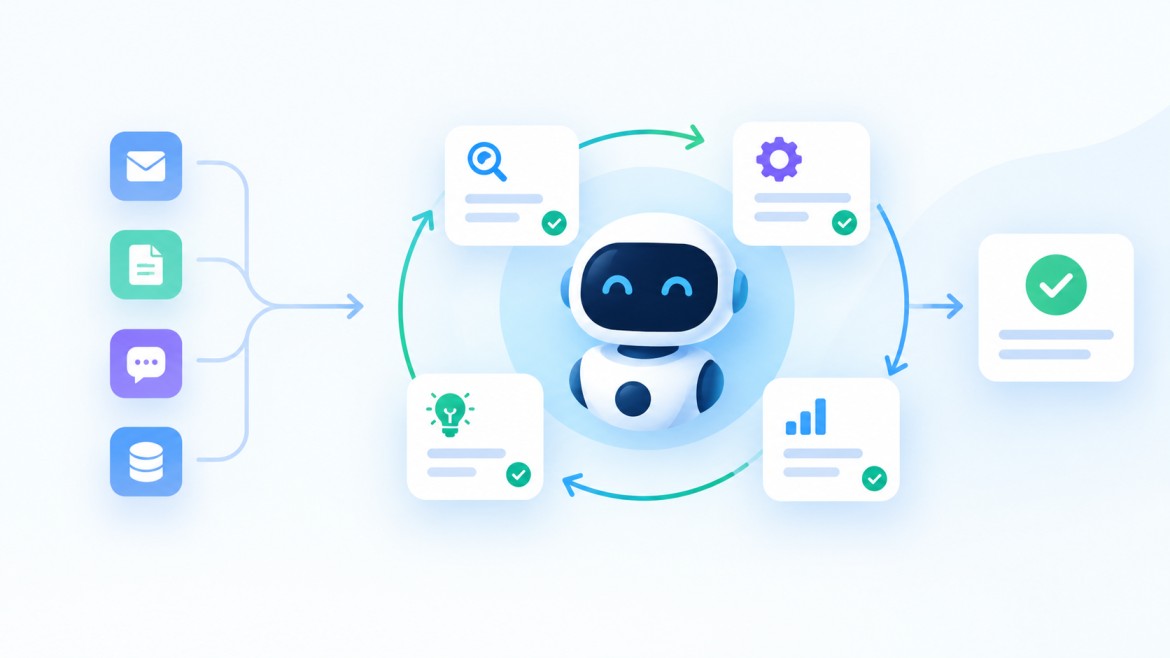
AI-powered ticket management systems can analyze incoming requests through natural language processing (NLP). They identify the issue, recognize relevant keywords, and assign tickets to the appropriate support category. For example, when an employee reports that a business application will not open, AI can recognize the software issue and route the request to the relevant application support team.
Intelligent automation also improves ticket prioritization. AI systems evaluate urgency, business impact, and historical ticket information. They can flag issues affecting multiple employees or critical business applications. This approach helps IT teams address high-impact incidents before they disrupt wider operations.
Another valuable application involves automated ticket resolution. AI can handle common requests, including password resets, account unlocks, software access instructions, and basic troubleshooting. Employees receive guided assistance without waiting for an available technician.
Integrating these capabilities into an existing AI strategy for businesses requires careful planning. Organizations should identify repetitive support activities and select automation tools that connect with their current service management platforms. Clear escalation rules also ensure that complex technical issues reach qualified professionals.
With these improvements, IT departments can reduce administrative workloads, manage growing ticket volumes, and allocate technical resources more effectively.
Benefits of AI Chatbots and Virtual Assistants in IT Help Desk Support
AI chatbots and virtual assistants provide employees with immediate access to technical assistance. They operate through familiar channels, including company portals, collaboration platforms, and internal messaging applications. Employees can describe their problems conversationally and receive relevant troubleshooting instructions.
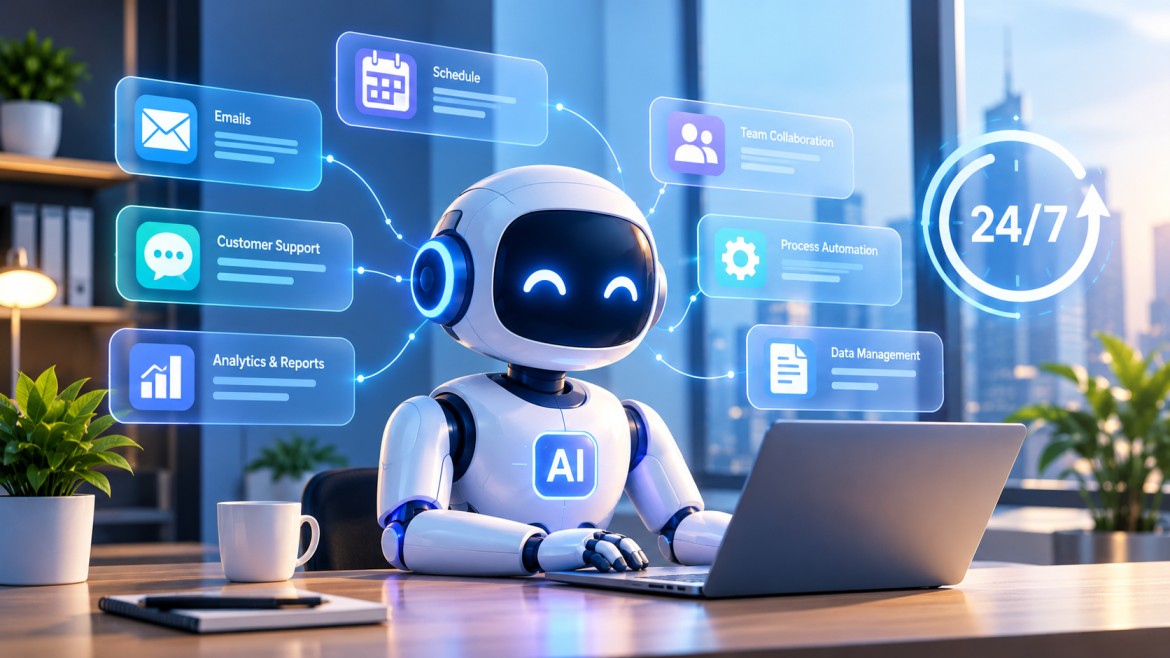
One significant benefit is round-the-clock availability. Traditional help desks often operate within fixed business hours, leaving employees without immediate assistance during evenings or weekends. AI chatbots can answer frequently asked questions and guide users through standard troubleshooting procedures whenever they need support.
Virtual assistants also improve the employee support experience through personalized responses. They can retrieve relevant information from approved knowledge bases and provide instructions based on specific problems. For instance, an employee experiencing VPN connectivity issues can receive configuration guidance and basic diagnostic steps.
These tools also reduce pressure on support agents. When chatbots resolve routine queries, technicians gain additional time for complicated incidents involving network infrastructure, cybersecurity, and application performance. This improves resource allocation and allows experienced professionals to concentrate on technical problems requiring investigation.
However, businesses must establish clear boundaries for chatbot capabilities. Sensitive account requests, suspected security incidents, and complicated system failures require human involvement. Effective escalation mechanisms help maintain service quality and prevent employees from receiving inaccurate guidance.
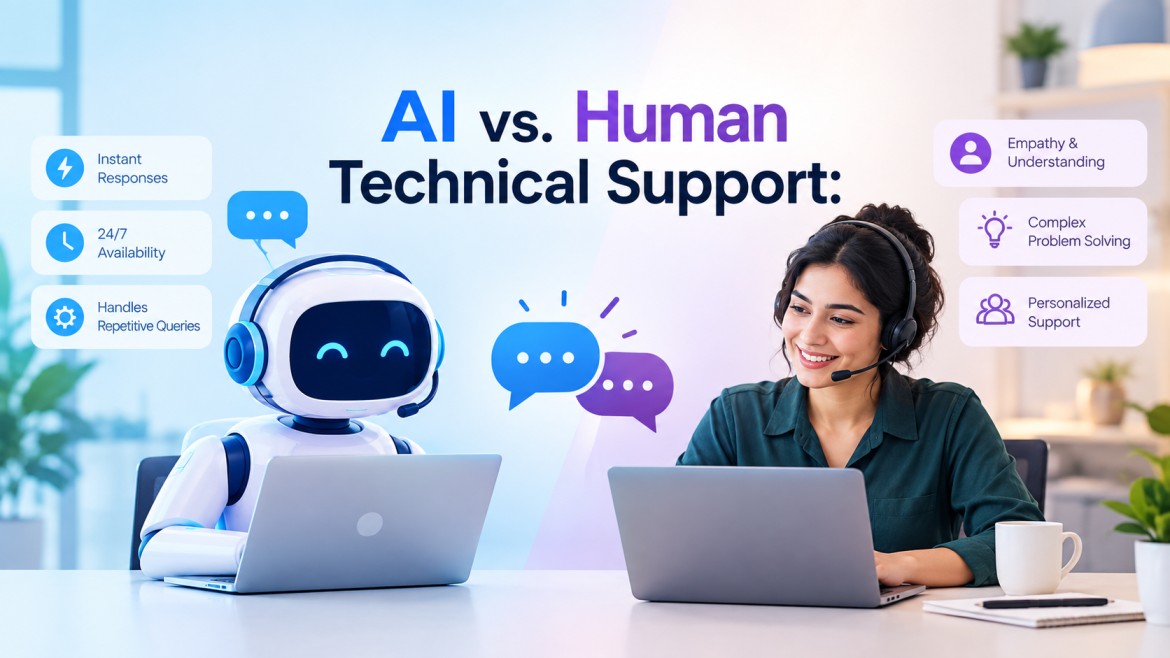
Understanding AI vs. human technical support also helps organizations establish the right balance. AI provides speed, consistency, and continuous availability, while human technicians contribute judgment, technical experience, and contextual understanding. Combining both creates a reliable support environment that addresses everyday requests efficiently while preserving expert assistance when necessary.
How Predictive AI and Machine Learning Improve IT Service Management
Predictive AI and machine learning help IT departments identify potential problems before they develop into major service disruptions. These technologies analyze historical service records, system performance data, incident patterns, and infrastructure activity. They use these insights to recognize unusual behavior and estimate where future problems might occur.
One important application is predictive incident management. Machine learning models examine previous incidents to identify conditions associated with recurring failures. For example, repeated application crashes may correlate with increasing memory consumption or server capacity limitations. AI can recognize these patterns and alert administrators before users experience significant disruptions.
Predictive analytics also supports proactive maintenance. Traditional maintenance often follows fixed schedules or begins after equipment fails. AI-powered monitoring evaluates real-time performance indicators, including processor usage, storage capacity, network latency, and application response times. When readings indicate possible failure, the system can recommend maintenance or generate an alert for technical teams.
Another valuable application involves intelligent problem management. AI can examine multiple related support tickets and identify a common underlying cause. If several employees report slow application performance, the system may connect those complaints with a shared infrastructure issue. This helps technicians investigate root causes instead of resolving individual complaints repeatedly.
Machine learning also strengthens IT service management through improved resource planning. By analyzing historical ticket volumes and seasonal demand, AI can forecast periods when support teams may experience increased workloads. Managers can use these predictions to allocate staff, adjust service coverage, and prepare additional technical resources.
Businesses can incorporate these capabilities into a broader AI strategy for businesses by connecting monitoring tools, service desk platforms, and operational data sources. However, reliable predictions depend on accurate data, regular model evaluation, and appropriate access controls.
Organizations should also explore AI strategy consulting services when they need support selecting suitable technologies, integrating existing systems, and establishing measurable implementation goals. A structured approach helps businesses control costs while improving service reliability.
Conclusion
AI is changing IT help desk operations by improving ticket management, automating routine requests, and identifying potential technical problems earlier. Chatbots provide continuous employee assistance, while predictive analytics helps IT teams maintain stable systems and plan resources effectively. However, successful implementation requires appropriate technology selection, reliable data, and clear human escalation procedures. A practical AI strategy for businesses should align automation capabilities with organizational requirements and existing IT infrastructure. Businesses that combine intelligent tools with experienced support professionals can improve response times, reduce operational pressure, and deliver consistent employee experiences. With the right implementation approach, AI becomes a valuable foundation for efficient and scalable IT service management.
Frequently Asked Questions
- How does AI improve IT help desk efficiency?
AI improves IT help desk efficiency by automating ticket classification, prioritization, and routine troubleshooting. It also provides instant responses to common employee queries. These capabilities reduce resolution times and allow technicians to concentrate on complex technical incidents.
- Can AI chatbots replace traditional IT help desk support?
AI chatbots can resolve repetitive requests and provide continuous assistance, but they cannot fully replace human technicians. Complex troubleshooting, security incidents, and situations requiring professional judgment still need experienced IT support.
- What are the benefits of AI automation in IT help desk operations?
AI automation reduces manual workloads, accelerates ticket resolution, improves issue prioritization, and provides consistent employee assistance. It also helps organizations manage increasing support demands without placing excessive pressure on their IT teams.
- How does machine learning help IT service management?
Machine learning analyzes historical and real-time IT data to identify recurring problems, predict potential failures, and detect unusual system behavior. These insights help IT teams perform proactive maintenance and improve service reliability.
- Is AI-powered IT help desk software suitable for small and medium-sized businesses?
Yes, AI-powered help desk software can benefit small and medium-sized businesses by automating repetitive support tasks and improving response times. Cloud-based solutions also allow smaller organizations to adopt AI capabilities without investing heavily in infrastructure.

 More News