
The Future of Technical Support with AI and Automation
Technical support plays a vital role in maintaining business operations and customer satisfaction. As organizations adopt digital tools, they face growing demands for faster responses and reliable issue resolution. Traditional support teams often struggle with increasing ticket volumes, repetitive requests, and complex technical problems. Artificial intelligence and automation offer practical solutions to these challenges. They help businesses streamline support processes, improve response times, and deliver consistent assistance. A well-defined AI strategy for businesses allows organizations to integrate intelligent technologies into their support operations. By combining automated systems with human expertise, companies can build responsive support environments that meet changing customer expectations while improving operational efficiency.
How AI-Powered Chatbots Are Transforming Technical Support Services
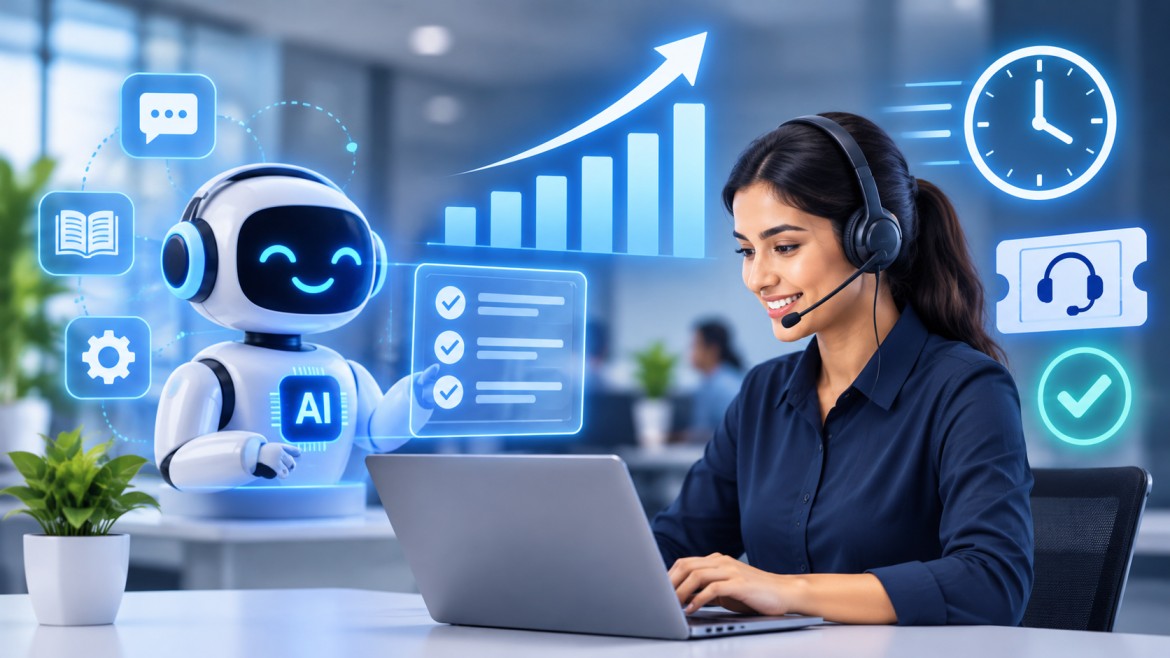
AI-powered chatbots are changing how businesses deliver technical assistance. These tools use natural language processing and machine learning to understand user questions. They can also provide relevant answers without requiring customers to wait for an available support representative. Businesses use chatbots to handle common issues, including password resets, account access problems, software installation, and basic troubleshooting.
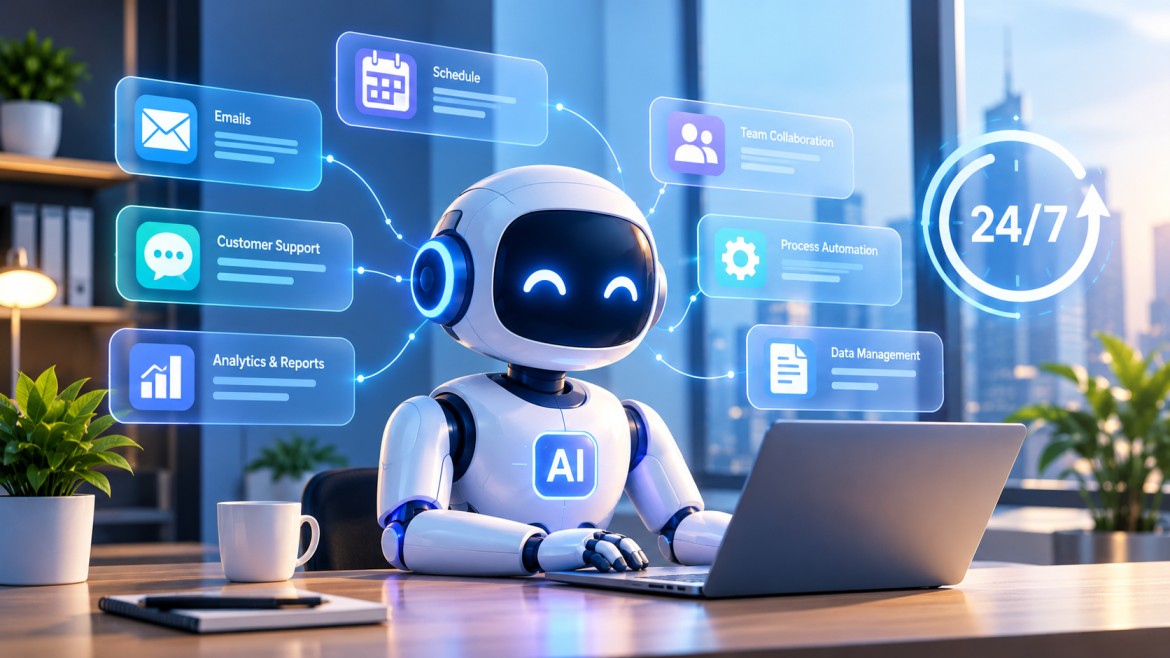
One major advantage of AI chatbots involves their availability. Unlike traditional support desks, automated assistants can operate around the clock. Customers can access immediate guidance regardless of their location or time zone. This availability reduces waiting periods and helps businesses maintain consistent support services.
Modern chatbots can also understand conversational context. They analyze customer queries and identify relevant information before suggesting solutions. When a problem requires deeper investigation, the chatbot can collect essential details and transfer the conversation to a human specialist. This process helps support teams understand the issue before they begin troubleshooting.
Businesses can further improve chatbot performance by connecting these tools with knowledge bases and customer management platforms. This integration allows chatbots to retrieve accurate information and provide responses based on existing documentation.
However, organizations must regularly update chatbot knowledge and monitor response quality. Poorly trained systems can misunderstand requests and frustrate customers.
A practical AI strategy for businesses should define which support tasks chatbots can manage independently. It should also establish clear escalation procedures for complicated requests. This approach helps companies balance automation, service quality, and customer satisfaction.
The Role of AI Automation in IT Help Desk Management
IT help desks manage numerous responsibilities, including ticket creation, incident tracking, troubleshooting, and employee requests. Manual processes can slow down these activities, especially when support teams handle large ticket volumes. AI automation helps organizations manage these responsibilities with greater consistency and efficiency.
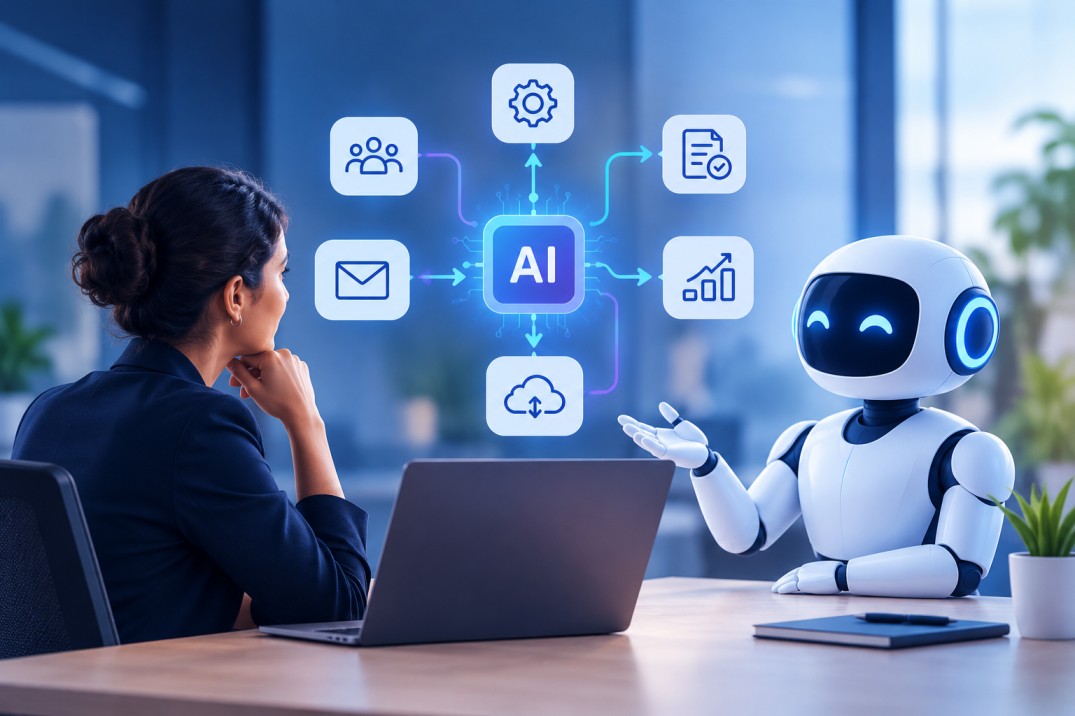
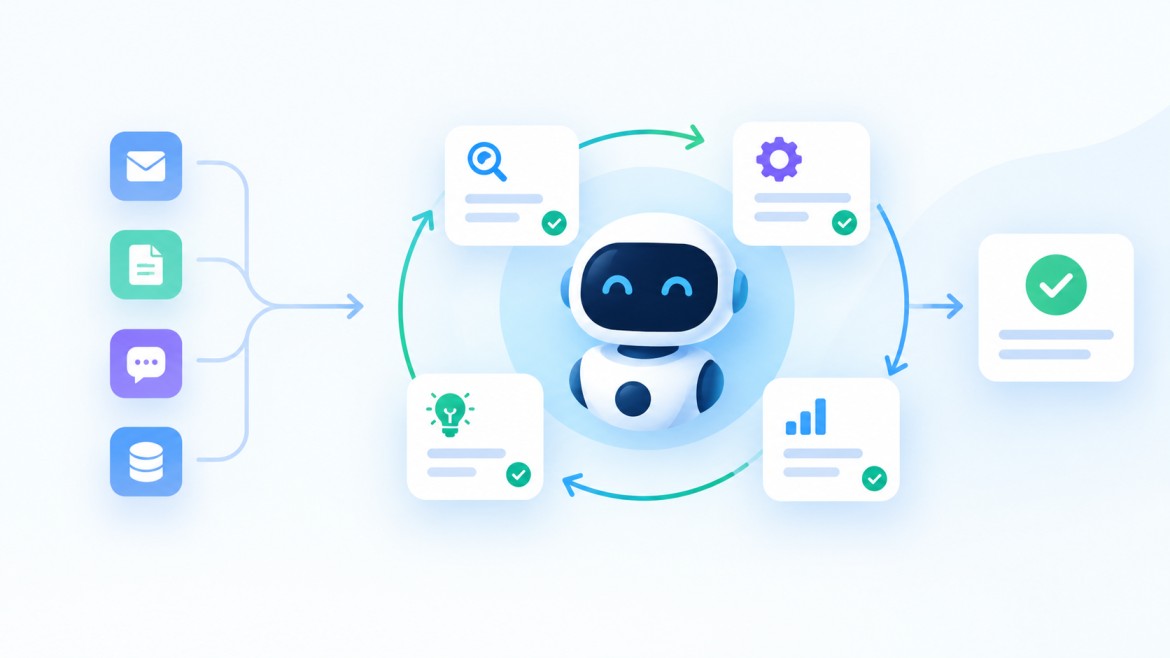
Automated ticket classification is one important application. AI systems analyze incoming requests and categorize them according to their subject, urgency, and technical requirements. They can also assign tickets to suitable departments or specialists. This process reduces manual sorting and helps support teams prioritize critical incidents.
Another useful application involves automated ticket routing. Intelligent systems examine issue descriptions and match requests with available technicians who possess relevant expertise. Businesses can reduce unnecessary transfers and improve resolution times through this capability.
AI automation also supports routine troubleshooting. For example, automated workflows can guide employees through network checks, software updates, and account recovery procedures. Some systems can execute approved actions directly, which reduces the workload on IT professionals.
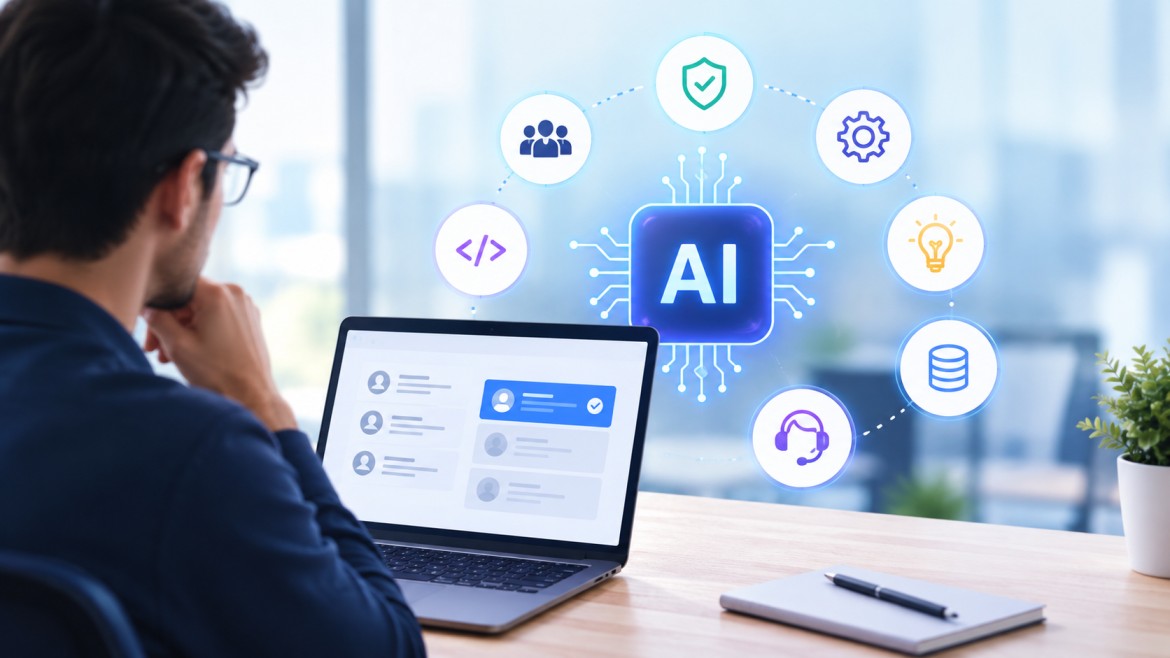
Integration also plays an important role in help desk automation. When organizations connect support platforms with monitoring tools, employee directories, and knowledge management systems, technicians gain better access to relevant information.
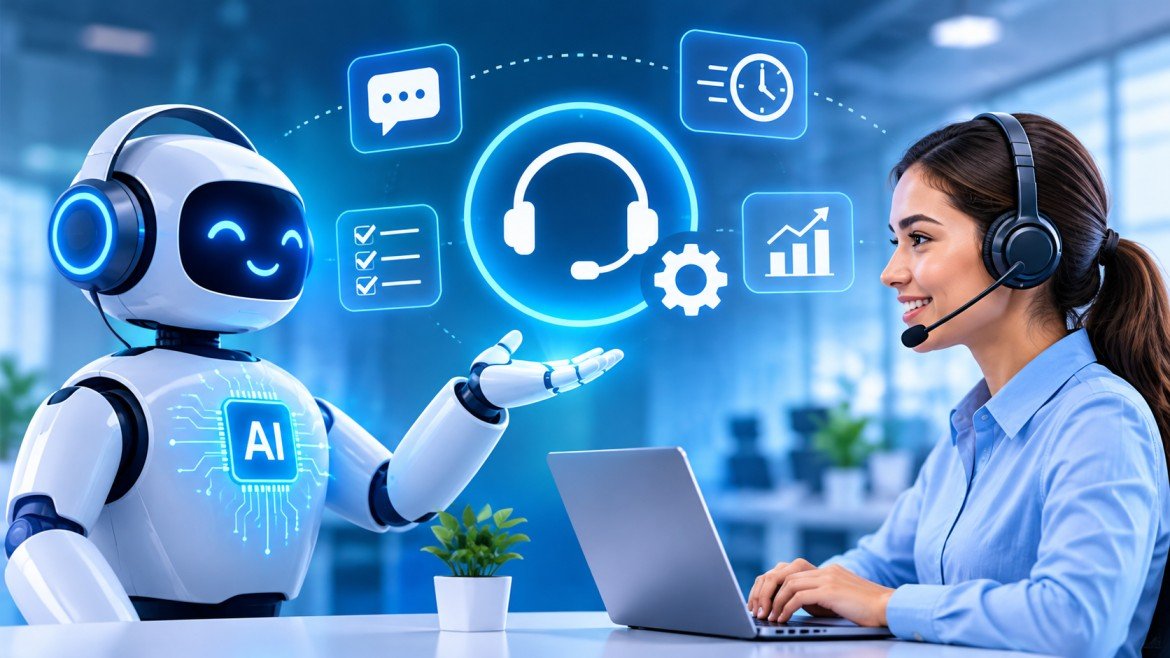
Despite these advantages, businesses must consider the AI vs. human technical support relationship when designing their workflows. AI can manage repetitive requests and organize support information. Human professionals remain essential for complex investigations, sensitive decisions, and situations requiring professional judgment.
Organizations should also establish access controls and audit procedures for automated actions. These safeguards protect business information and prevent unauthorized system changes.
A structured AI strategy for businesses helps organizations select appropriate automation tools. Professional AI strategy consulting services can also help companies evaluate existing infrastructure, identify suitable applications, and establish measurable performance goals.
Predictive AI and Intelligent Automation in Proactive Technical Support
Traditional technical support often begins after users report a problem. Predictive AI changes this approach by analyzing system data and identifying warning signs before failures disrupt business operations. This capability helps organizations maintain system reliability and reduce unexpected downtime.
Predictive AI uses machine learning models to examine historical incidents, system logs, network activity, and performance indicators. These models identify unusual patterns that could indicate developing technical problems. For example, an AI system might detect increasing server temperatures, unusual network traffic, or declining storage performance.
When the system identifies a potential issue, intelligent automation can initiate predefined responses. It might notify administrators, create incident tickets, recommend maintenance activities, or execute approved corrective actions. These capabilities allow IT teams to address developing problems before they affect employees or customers.
Predictive maintenance also improves resource management. Businesses can use AI insights to schedule maintenance according to equipment conditions and operational requirements. This approach helps reduce unnecessary maintenance activities while supporting infrastructure reliability.
However, predictive systems require accurate data and regular evaluation. Incomplete information or poorly trained models can generate false alerts. IT teams should therefore validate recommendations and maintain human oversight for high-impact decisions.
A comprehensive AI strategy for businesses should include predictive monitoring, automated incident management, and clear response protocols. Companies can also explore AI strategy consulting services to assess their technical readiness and identify suitable implementation opportunities.
By combining predictive intelligence with human expertise, organizations can strengthen their technical support operations. This approach helps businesses improve service continuity, manage IT risks, and maintain a dependable digital environment.
Conclusion
AI and automation are reshaping technical support by improving response times, simplifying help desk operations, and identifying potential system failures. Chatbots handle routine questions, automated workflows manage repetitive tasks, and predictive systems help IT teams address risks earlier. However, human professionals remain essential for complex troubleshooting, critical decisions, and customer communication. Businesses should develop a clear AI strategy for businesses that aligns technology investments with operational requirements. They must also prioritize data security, system integration, and continuous performance monitoring. With the right implementation approach, organizations can create efficient, scalable, and reliable technical support services that deliver lasting value to employees and customers.
Frequently Asked Questions
- How is AI transforming the future of technical support?
AI is improving technical support through intelligent chatbots, automated ticket management, and predictive monitoring. These technologies help businesses resolve routine issues faster, reduce support workloads, and identify potential system failures before they cause disruptions.
- Can AI completely replace human technical support professionals?
No. AI can manage repetitive requests and provide automated troubleshooting guidance. However, human professionals remain important for complex technical problems, critical decisions, security concerns, and situations requiring empathy or specialized expertise.
- How does automation improve IT help desk efficiency?
Automation simplifies ticket classification, prioritization, routing, and routine troubleshooting. It reduces manual work, minimizes administrative delays, and allows IT professionals to focus on complex incidents and important operational responsibilities.
- What are the benefits of using AI in technical support?
AI improves service availability, response consistency, and operational efficiency. It also reduces repetitive workloads, supports predictive maintenance, and helps businesses deliver faster assistance while managing growing support demands.
- What is the difference between AI-powered technical support and traditional IT support?
Traditional IT support relies heavily on manual processes and technician-led troubleshooting. AI-powered technical support uses intelligent systems to analyze requests, automate routine activities, identify patterns, and recommend solutions. Human technicians continue to manage complicated issues and oversee important decisions.

 More News