
Why Live Chat Support Is Essential for Customer Retention in 2026
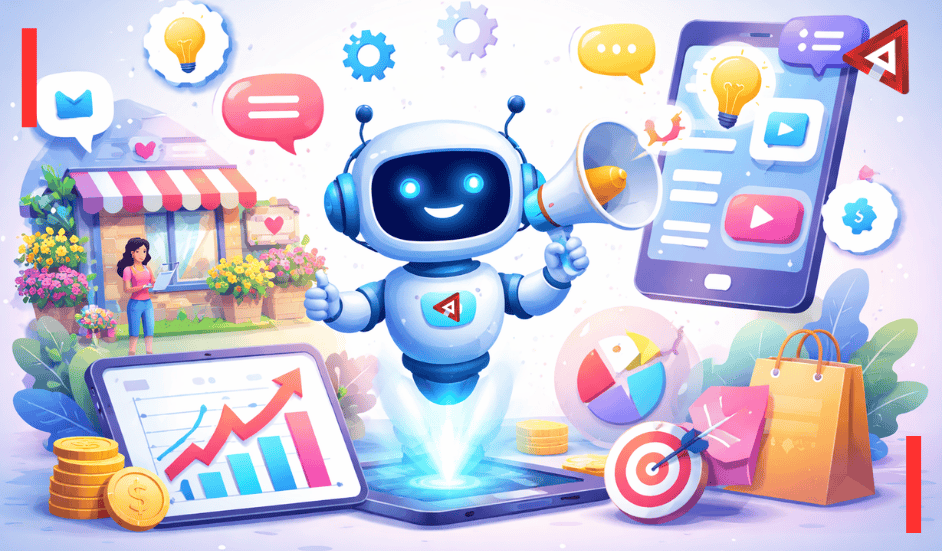
In today’s digital world, customers expect quick and easy support. They no longer want to wait for hours to get a reply to an email or stay on hold for phone assistance. That’s where live chat support comes in—it helps businesses connect with customers instantly, right when they need help most.
In 2026, live chat is one of the most powerful tools to improve customer satisfaction and loyalty. Companies using live chat see higher engagement, better feedback, and stronger retention rates that directly impact their bottom line.
In this comprehensive guide, we’ll explore why live chat support is so important for keeping customers happy and loyal, how it benefits businesses across industries, and how you can implement it effectively to drive growth.
What is Live Chat Support?
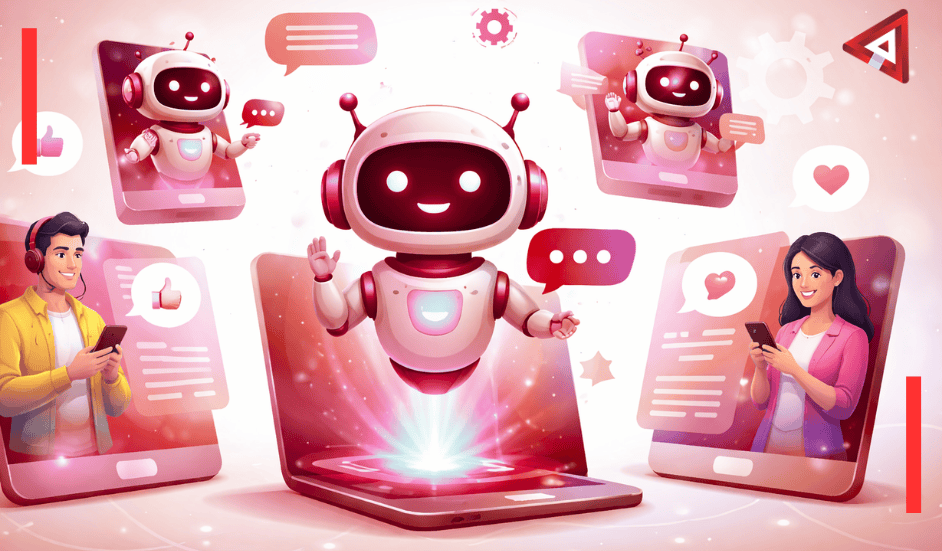
Live chat support is a customer service tool that allows visitors to chat with a company’s support team in real time through a chat window on a website or mobile app. Instead of sending emails or calling customer care, users can ask questions directly and get instant responses that solve their problems immediately.
Live chat can be handled by human agents, AI-powered chatbots, or a hybrid combination of both—making it faster and more convenient for customers while reducing operational costs for businesses.
Key components of live chat support include:
- Real-time messaging: Instant communication between customers and support teams
- Multi-channel integration: Works across websites, mobile apps, and social media platforms
- Automated responses: AI chatbots handle common queries 24/7
- Human escalation: Complex issues seamlessly transfer to live agents
- Chat history: Saved conversations for context and continuity
Why Live Chat Support Matters
Customer experience is now a key differentiator in every business. You might have a great product or service, but if customers don’t feel supported, they will quickly move to a competitor who provides better assistance.
Live chat gives businesses the chance to connect with customers exactly when they need help—in the moment of decision, confusion, or frustration. It’s not just about solving problems; it’s about building trust, improving satisfaction, and creating long-term relationships that drive revenue.
Research shows that customers who use live chat are more likely to return and make repeat purchases compared to those who rely solely on email or phone support. The immediacy and convenience of live chat create positive experiences that customers remember and value.
Why live chat has become indispensable:
- Changing customer expectations: Modern consumers demand instant gratification and real-time support
- Competitive advantage: Businesses with live chat outperform those without in customer satisfaction scores
- Digital-first world: As more transactions move online, digital support channels become critical
- Mobile shopping growth: Live chat provides essential support for mobile users who can’t easily make phone calls
How Live Chat Boosts Customer Retention
Customer retention is the lifeblood of sustainable business growth. Acquiring new customers costs 5-25 times more than retaining existing ones, making retention strategies essential for profitability. Live chat support plays a crucial role in keeping customers engaged and loyal.
Instant Communication
Customers love getting quick answers. Live chat gives them instant access to help, reducing frustration and improving their overall experience. When problems are solved immediately, customers feel valued and are more likely to remain loyal to your brand.
Personalized Experience
Live chat agents can view the customer’s activity—such as what pages they’re browsing, what items are in their cart, or their purchase history—and offer relevant suggestions. This personalized touch builds genuine connection and trust that generic support channels cannot match.
24/7 Availability
With AI chatbots, businesses can offer round-the-clock support without the cost of maintaining a full-time staff. Even if your human team is offline, customers still get help anytime they need it, eliminating the frustration of waiting until business hours.
Proactive Support
Instead of waiting for a customer to ask for help, live chat can trigger proactive messages like “Need help choosing a plan?” or “Having trouble with checkout?” This makes customers feel valued and understood, often preventing issues before they escalate.
Statistics that prove live chat’s impact on retention:
- 73% of customers say that valuing their time is the most important thing a company can do
- Live chat has the highest satisfaction rate at 73%, compared to 61% for email and 44% for phone
- Customers are 3 times more likely to make a purchase when businesses offer live chat
- Companies that respond within 1 minute are 7 times more likely to qualify leads
Key Benefits of Live Chat for Businesses
1. Better Customer Satisfaction
Quick responses lead to happier customers. Live chat feels conversational, friendly, and efficient—much better than waiting in long phone queues or waiting hours for email responses. The interactive nature of chat creates a positive emotional connection with your brand.
2. Increased Sales and Conversions
When customers have doubts during checkout or about a product, they can easily ask through chat. Getting instant answers often turns hesitation into completed purchases. Live chat removes friction from the buying process at the most critical moments.
3. Cost-Effective Support
Live chat allows one agent to handle multiple conversations simultaneously—typically 3-5 chats at once. That means reduced wait times, fewer phone calls, and significantly lower operational costs compared to traditional support channels.
4. Stronger Customer Relationships
Live chat creates human-like interaction, even in digital form. It builds a sense of connection between the brand and the customer that feels more personal than automated emails or impersonal phone trees.
5. Easy Data Collection
Chat histories provide valuable insights into customer pain points, common questions, preferences, and behavior patterns. This data helps businesses improve their products, services, and support processes continuously.
6. Competitive Differentiation
Offering excellent live chat support sets your business apart from competitors who don’t provide real-time assistance. It becomes a key selling point that influences purchase decisions, especially for high-consideration products.
Best Practices for Using Live Chat Support
Implementing live chat is just the first step. To maximize its effectiveness and ensure it truly enhances customer retention, follow these proven best practices:
1. Respond Quickly
Customers expect instant help when they click the chat button. If you take too long, they might leave your site entirely. Always aim for a response time under one minute, and ideally within 30 seconds for the initial greeting.
2. Personalize Every Conversation
Use the customer’s name, check their browsing activity, and make your tone warm and natural. Personal touches go a long way in creating memorable experiences. Avoid robotic, scripted responses that feel impersonal.
3. Balance AI and Human Support
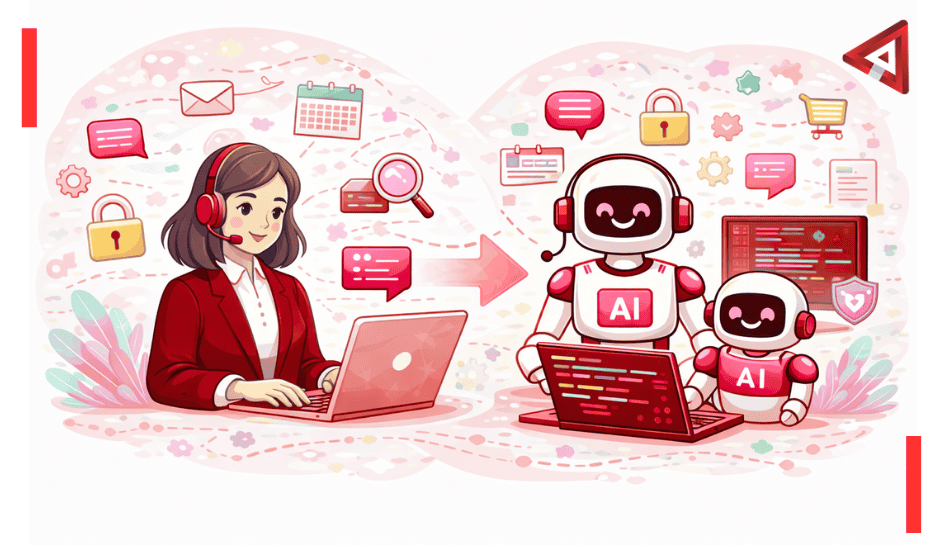
Chatbots can efficiently answer simple queries like business hours, shipping information, or account details. However, complex problems or emotional issues need human empathy and judgment. A balanced approach ensures both speed and genuine care.
4. Train Your Agents Thoroughly
Your support team should understand your products deeply and know how to handle customers politely, even under pressure. Regular training on new features, policies, and communication skills ensures consistent, high-quality support.
5. Follow Up After Resolution
After resolving a chat, send a quick message like “Is there anything else I can help you with?” or follow up via email to ensure satisfaction. Small gestures like these make customers feel genuinely cared for and build lasting loyalty.
6. Make Chat Easily Accessible
Position your chat widget prominently on your website where visitors can easily find it. Consider using attention-grabbing (but not annoying) animations or colors that match your brand.
7. Set Clear Expectations
If wait times are longer than usual, communicate this upfront. If transferring to another agent, explain why. Transparency prevents frustration and shows respect for customers’ time.
8. Use Canned Responses Wisely
Pre-written responses can speed up common inquiries, but always personalize them before sending. Generic copy-paste answers feel impersonal and can damage the customer relationship.
Common Mistakes to Avoid
Even though live chat is powerful, some businesses use it poorly, which can actually harm customer relationships. Here are the most common mistakes and how to avoid them:
- Using robotic replies: Customers want real conversation, not copy-paste answers. Even when using templates, personalize each response to the specific situation and customer.
- Being too slow: Live chat loses all its value if agents take several minutes to reply. If response times are consistently slow, you’re better off directing customers to email.
- Not saving chat history: Losing conversation context frustrates returning customers who have to explain their issues repeatedly. Always maintain comprehensive chat histories.
- Ignoring tone: Polite, calm, and empathetic language is essential, even when customers are upset or demanding. Your tone sets the emotional direction of the conversation.
- Lacking agent training: Untrained agents who don’t know your products or policies waste everyone’s time and damage customer trust.
- No offline options: If chat agents aren’t available, provide alternative contact methods or clear information about when chat support will be back online.
- Over-relying on chatbots: While AI is helpful, using it for everything creates frustration when customers need genuine human help for complex issues.
- Ignoring analytics: Not tracking chat performance metrics means missing opportunities to improve response times, customer satisfaction, and agent training.
Avoiding these mistakes ensures live chat becomes a tool for building trust and loyalty, not a source of customer frustration.
Real-World Examples of Live Chat Success
Live chat support has transformed customer service across various industries. Here are real-world examples showing how different sectors leverage live chat to boost retention and satisfaction:
E-commerce Stores
Online shops use live chat to help customers with product details, size recommendations, returns, and delivery updates. Many buyers say live chat makes them more confident when shopping online because they know help is immediately available if needed. Major retailers report that customers who engage with live chat have 2-3 times higher conversion rates than those who don’t.
Banks and Financial Services
Banks use secure live chat to handle account queries, guide customers through online banking processes, and provide fraud alerts. The immediate assistance builds trust in digital banking and reduces the need for expensive branch visits. Financial institutions using live chat report significant decreases in call center volume and improved customer satisfaction scores.
Healthcare Providers
Hospitals and clinics use chatbots to help patients book appointments, check symptoms, access test results, and get prescription refills—all while maintaining HIPAA compliance. This offers faster service and reduces call volumes, allowing medical staff to focus on critical cases.
Travel Companies
Travel brands use live chat to assist with bookings, cancellations, itinerary changes, and real-time updates about delays or disruptions. During travel emergencies, instant communication becomes invaluable. Airlines and hotels report that live chat significantly reduces passenger anxiety and improves overall travel experience ratings.
SaaS and Technology Companies
Software companies use live chat for technical support, onboarding new users, and troubleshooting. Instant help during critical moments prevents customer churn and ensures users get maximum value from the product quickly.
These industries demonstrate how live chat builds trust, solves problems efficiently, and keeps customers coming back across diverse business contexts.
How Live Chat Improves Sales and Conversions
Live chat support is no longer just a customer service tool—it has become an essential driver of sales growth and conversion optimization. As buyers increasingly prefer instant communication and quick decision-making, businesses that offer real-time assistance gain a significant competitive advantage.
Live chat bridges the gap between interest and purchase by removing hesitation, answering questions promptly, and guiding customers at critical decision points. Here are the key ways live chat enhances sales and conversions:
1. Reduces Purchase Hesitation
Customers often abandon their carts due to unanswered questions about product details, return policies, pricing concerns, or shipping timelines. Live chat allows agents to address these concerns instantly, eliminating uncertainty and dramatically increasing the likelihood of a completed purchase.
2. Provides Personalized Recommendations
With live chat, agents can analyze customer behavior, understand preferences, and offer tailored product suggestions. Personalized advice boosts customer confidence and directly influences purchasing decisions, leading to higher average order values and more satisfied customers.
3. Boosts Trust and Credibility
Having a real human available in real time creates a strong sense of reliability. Customers feel more confident buying from brands that offer immediate support instead of leaving them to navigate the process alone. This trust plays a major role in increasing conversions, especially for first-time buyers.
4. Supports Lead Qualification in Real Time
Live chat enables businesses to capture potential leads while they are actively browsing. Agents can identify customer intent, ask relevant qualifying questions, and guide them through the sales funnel efficiently. This real-time qualification improves the quality of leads and enhances overall conversion rates.
5. Enables Proactive Engagement
Modern live chat tools allow businesses to trigger automated messages based on customer behavior. For example, a prompt like “Need help choosing the right plan?” or “Questions about our pricing?” can encourage hesitant buyers to start a conversation. Proactive engagement significantly reduces drop-offs and pushes customers toward completing transactions.
6. Shortens the Sales Cycle
By providing instant answers and resolving concerns immediately, live chat accelerates decision-making. Instead of waiting for email replies or phone callbacks, customers can complete the entire decision process within minutes, resulting in a faster and smoother sales journey that benefits both parties.
7. Improves Mobile Shopping Conversions
Mobile users often face difficulties while purchasing due to smaller screens, complex navigation, or difficulty finding information. Live chat simplifies the mobile experience by offering instant help, making mobile shoppers significantly more likely to convert compared to those without chat support.
Sales impact statistics:
- Live chat can increase conversions by up to 40% when implemented strategically
- 63% of customers are more likely to return to a website that offers live chat
- Companies using live chat see an average increase of 48% in revenue per chat hour
- 38% of consumers make purchases because of a positive chat experience
The Future of Live Chat Support
In the coming years, live chat will become even smarter, more personal, and more integrated into the overall customer experience. Technology advances are transforming what’s possible with real-time customer communication.
Emerging trends shaping the future of live chat:
- Advanced AI and machine learning: Chatbots will understand context better, remember past conversations, and provide increasingly human-like responses
- Natural language processing improvements: AI will comprehend complex queries, slang, and even humor more effectively
- Voice-enabled chat: Integration with voice assistants will allow customers to speak their questions instead of typing
- Emotion detection: AI will sense customer mood through language patterns and adapt responses accordingly, escalating to humans when frustration is detected
- Predictive support: Systems will anticipate customer needs based on behavior and proactively offer help before problems arise
- Omnichannel integration: Seamless conversation continuity across website, mobile app, social media, and email
- Visual assistance: Screen sharing, co-browsing, and video chat for complex technical support
- Augmented reality support: AR-powered troubleshooting for product assembly, installation, or repairs
But even with all this technology, the human element will always matter. The best live chat systems of the future will combine automation and empathy to create seamless experiences that feel both efficient and genuinely caring.
Businesses that invest in live chat now and stay current with emerging capabilities will build stronger customer relationships and maintain competitive advantages in increasingly crowded markets.
Final Thoughts: Making Live Chat Work for Your Business
Live chat support isn’t just another customer service tool—it’s a bridge between businesses and their customers that creates meaningful connections in real time.
In a world where people want quick, personal, and effortless experiences, live chat stands out as the perfect solution. It helps companies retain existing customers, attract new ones, and build lasting relationships through authentic, real-time conversations that solve problems and create positive memories.
The data is clear: businesses with live chat see higher customer satisfaction, improved retention rates, increased conversions, and stronger brand loyalty. These benefits translate directly into revenue growth and competitive advantage.
If your business hasn’t yet added live chat to its website or app, now is the time. Start small with a pilot program, measure results, and scale based on customer feedback and business impact. It’s not just about support—it’s about connection, loyalty, and sustainable growth.
Ready to transform your customer support with live chat? Contact Voxtend today to discover how our advanced communication solutions can help you deliver exceptional customer experiences that drive retention and growth.
Frequently Asked Questions (FAQ)
1. What is live chat support?
Live chat support allows customers to communicate with agents or chatbots directly through a website or app, helping them get quick answers in real time. It can be handled by human agents, AI-powered chatbots, or a combination of both for optimal efficiency and customer satisfaction.
2. Why is live chat important for customer retention?
Live chat provides instant, personalized support that makes customers feel heard and valued. When customers get quick help exactly when they need it, they’re more likely to trust your brand and stay loyal. Studies show that live chat users have significantly higher retention and repeat purchase rates.
3. Can small businesses benefit from live chat?
Absolutely. Live chat helps small businesses offer fast, personal service and compete with bigger brands without massive support teams. It’s cost-effective since one agent can handle multiple conversations simultaneously, and many affordable live chat solutions exist specifically for small businesses.
4. How does AI improve live chat?
AI chatbots can answer common questions instantly, transfer conversations to appropriate agents, provide 24/7 availability, and even detect customer sentiment to adapt responses accordingly. This makes the support process faster, more efficient, and available around the clock without increasing costs.
5. What are some best practices for live chat?
Best practices include responding quickly (under one minute), personalizing messages with customer names and context, maintaining a friendly tone, balancing AI with human support, training agents thoroughly, and following up after chats end to ensure satisfaction.
6. Is live chat better than email or phone support?
In most cases, yes. Live chat is faster than email and more convenient than phone calls. It allows instant communication while customers multitask. However, complex or sensitive issues may still benefit from phone support where detailed explanations are needed.
7. Can live chat increase sales?
Yes, significantly. Live chat helps customers during checkout or product selection by answering questions instantly, reducing purchase hesitation, and providing personalized recommendations. Studies show live chat can increase conversions by up to 40% and directly boosts revenue per chat hour.
8. Is live chat available 24/7?
With AI chatbots, yes. Businesses can offer round-the-clock support so customers can get help anytime. For complex issues requiring human agents, chatbots can collect information and route requests to agents during business hours, ensuring no inquiry goes unanswered.

 More News