
Why Businesses Need an AI Development Partner for Agentic Workflow Automation
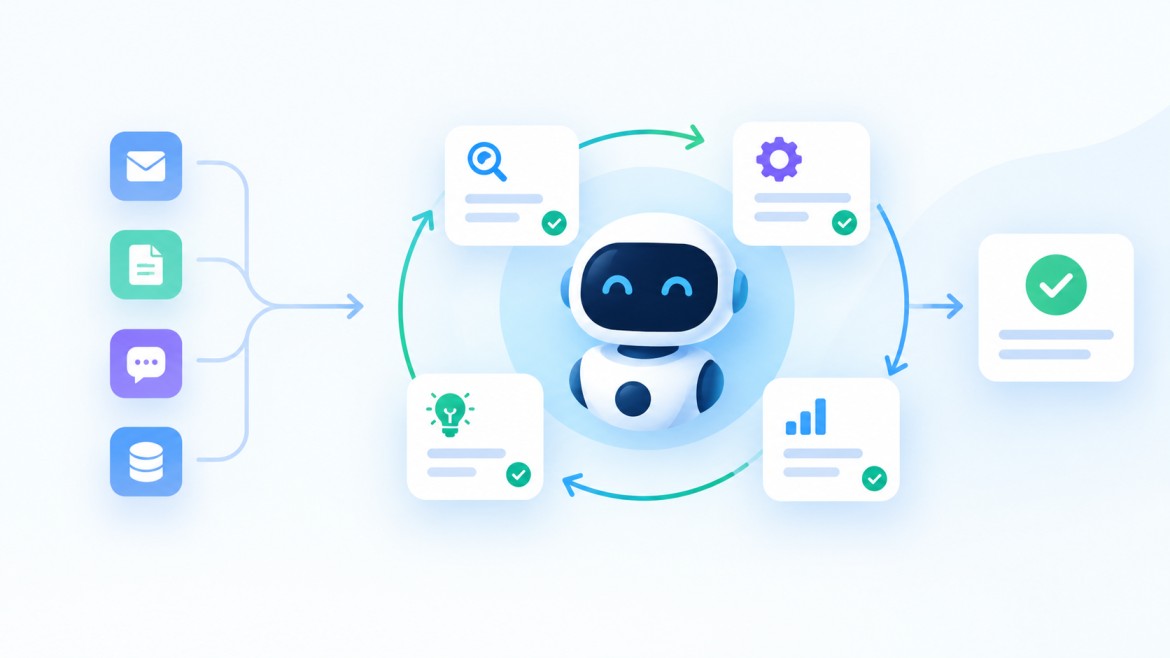
A supplier invoice arrives with a price that differs from the purchase order. Today, an accounts payable analyst checks the contract, emails procurement, waits for a reply, and updates the ERP by hand. Each tool in that chain works fine on its own. The delay comes from the people who carry context between them. Agentic workflow automation hands that coordination work to AI agents. An agent reads the invoice and compares it with the contract. It then checks the supplier record and decides whether to approve, escalate, or request a correction. It acts inside your existing systems and logs every decision it makes. Most businesses struggle to build this reliably on their own. Agents need clear goals, safe access to data, and guardrails that keep decisions accurate. A specialist partner brings the engineering depth to deliver all three without compromising the quality and standard. This blog explains why that partnership matters, what it delivers, and how to choose the right one.
Key Benefits of Partnering with an Agentic AI Development Company
A capable partner helps your team ship a working system faster and with fewer surprises. These are the benefits that businesses see most often.
- Faster delivery with proven patterns. Experienced teams reuse tested designs for agent memory, tool access, and error handling. Agentic AI development services give you access to engineers who have already solved these problems for other clients.
- Reliable decisions you can audit. Partners build guardrails, approval thresholds, and logging into every agent. Your compliance team can review each action an agent takes and trace the reasoning behind it.
- Lower cost over time. Agentic workflow automation removes repetitive handoffs that consume analyst hours every week. A partner sizes models and infrastructure carefully, so you avoid paying for compute you do not need.
- Stronger security and data control. The partner configures role based access, so each agent sees only the data it needs. It also keeps sensitive records inside your private cloud environment.
- Scalability without rework. Good partners build agents as modular components. You can add a new department, a new data source, or a new agent later without rebuilding the foundation.
- Ongoing improvement. Agent performance can drift as your data, policies, and suppliers change over time. A partner monitors accuracy, tunes prompts and models, and updates workflows as your business evolves.
How AI Development Partners Build and Integrate Agentic Workflows
Good partners follow a structured process that makes agentic workflow automation work inside the tools your teams already use. Agentic AI development services typically cover five stages.
- Discovery and workflow mapping. The team interviews process owners and maps each step, decision, and exception in the target workflow. They then rank workflows by business value and risk and pick one for the first build.
- Agent design. Engineers define the goal, tools, memory, and limits for each agent. A planning agent may break a task into steps, while specialist agents handle extraction, validation, or communication.
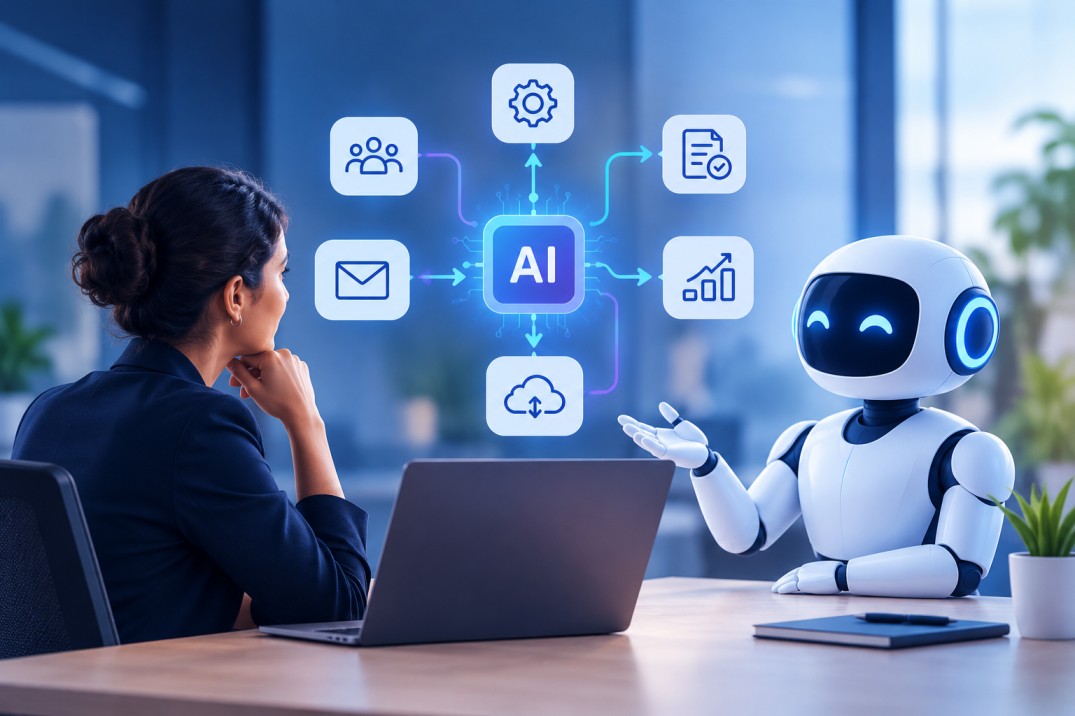
- System integration. Agents connect to your CRM, ERP, ticketing tools, and databases through secure APIs and event triggers. Where no API exists, engineers use robotic process automation or browser based actions as a bridge.
- Testing and guardrails. The partner tests agents against historical cases and edge cases before any live traffic arrives. Human approval steps stay in place for high value or high risk decisions.
- Deployment and monitoring. The team launches in stages, often starting with a single department. Dashboards track accuracy, speed, cost, and escalation rates, so you see results quickly.
Choosing the Right AI Development Partner for Business Workflow Automation
The right agentic AI development company combines technical depth with a clear understanding of your industry. Use these criteria when you compare candidates.
- Relevant production experience. Ask for case studies where agents run live workflows, and ask what accuracy and savings those clients achieved.
- Integration skill. Confirm that the team has connected agents to systems similar to yours, including legacy platforms.
- Governance and security practices. Look for audit trails, access controls, and compliance experience in your regulatory environment.
- Transparent process and pricing. A clear roadmap, defined milestones, and honest estimates signal a partner who plans carefully.
- Post launch support. Check whether the partner offers monitoring, tuning, and staff training after go live.
- Communication and cultural fit. Choose a team that explains technical choices in plain language and responds quickly.
Start with a small paid pilot that targets one workflow. The results will show you how the partner performs under real conditions.
Final Thought
Agentic workflow automation can remove the delays that traditional tools leave behind. The results depend on how well teams design, integrate, and govern each agent. An experienced partner reduces risk, speeds up delivery, and keeps your systems secure. Choose one that understands your processes, start with a focused pilot, and expand as the results build trust.
FAQs
- What is agentic workflow automation?
It uses AI agents to plan, decide, and complete multistep business tasks with minimal human input. The agents read data, use software tools, and adapt when conditions change. People step in only for exceptions and approvals.
- Why do businesses need an AI development partner for agentic workflows?
Agents touch sensitive data and make real decisions, so mistakes carry real cost. A skilled agentic AI development company brings tested architectures, security practices, and integration experience. This expertise shortens delivery time and reduces the risk of failed pilots.
- What are the benefits of agentic AI workflow automation?
Businesses gain faster processing, fewer manual errors, and lower operating costs. Agents work around the clock, so approvals and responses move without waiting for staff availability. Teams also gain time for analysis and customer relationships.
- How can an AI development company integrate agentic workflows with existing systems?
Agentic AI development services connect agents to your CRM, ERP, and databases through secure APIs and event triggers. Engineers use robotic process automation where APIs do not exist. They also add authentication and logging, so every action stays traceable.
- How do businesses choose the right agentic AI development partner?
Check for live production case studies, integration experience, security practices, and post launch support. Request a small pilot on one workflow before you commit to a larger project. Compare how clearly each candidate explains risks and costs.

 More News