


How Much Does It Cost To Advertise on Instagram in 2025?

The cost of advertising on Instagram varies based on factors like bids, how relevant your ad is, the time of year, and your industry. On average, businesses spend between $0.01 and $0.25 per click, $0.01 to $4.00 for every 1,000 impressions, and $0.03 to $0.08 per engagement. If you want to know more about Instagram ad costs and tips to reduce them, check out this guide!

Instagram ad costs vs. other networks

Discover how Instagram ad costs stack up against other platforms:

Ad networkAverage CPCAverage CPM
Instagram$0.01 – $0.25 $0.01 – $4.00
Facebook$0.26 – $0.50 $1.01 – $3.00
Google Ads$0.11 – $0.50 $0.51 – $1.00
YouTube$0.11 – $0.40$9.68
X$0.26 – $0.50 $6.50
LinkedIn$2.00 – $3.00 $5.01 – $8.00
Microsoft Advertising$1.54 $2.00 to $6.00
Pinterest$0.01 – $0.10 $0.01 – $1.50
TikTok$1.00 $10.00

What affects Instagram ad costs?

Several factors influence how much you pay for Instagram ads:

  1. Budget: Your budget sets how much you’re willing to spend on a campaign or within a specific time. Instagram will aim to use your entire budget, so choose it wisely.
  2. Bid Strategy: Instagram offers different bidding options, like focusing on spending or achieving a specific goal (like a return on ad spend). Your choice can impact costs and results.
  3. Ad Objective: Your goal, whether it’s brand awareness, engagement, or leads, plays a big role in costs. Instagram tailors your ads to users most likely to take the desired action.
  4. Audience: Targeting the right audience helps control costs. Instagram lets you target users based on demographics or create custom audiences.
  5. Ad Quality and Relevance: High-quality, relevant ads cost less. Improve your targeting, ad copy, visuals, and offers to boost quality.
  6. Ad Creative: The type of ad (image, video, etc.) affects where it appears and its quality score. Make sure your creatives are clear and engaging.
  7. Season: Costs can rise during busy times, like holidays, when more advertisers compete for ad space.

Are Instagram ads worth it?

Absolutely. In fact, 76% of marketers are happy with the results and return on investment (ROI) from their Instagram ad campaigns. This proves that Instagram ads can be a powerful and effective tool for businesses.

Here are some reasons why Instagram ads are worth the cost:

  • Higher Click-Through Rates (CTRs):

Instagram often performs better than other platforms when it comes to CTRs. For example, a study by Fortune found that Instagram ads have a CTR 2.5 times higher than ads on other social media networks. However, your CTR will depend on your target audience and the quality of your ads.

  • Advanced Targeting Options

Instagram, like Facebook, offers advanced targeting features for businesses.

These tools allow you to refine your audience based on factors like location, interests, and more, helping you get better results from your ads. For example, instead of targeting all sports enthusiasts, you can focus specifically on people interested in volleyball. This precision helps improve ad performance and ROI.

  • Higher Order Values

Another reason Instagram ads are worth the cost is the results they deliver.  

A recent study by Shopify found that the average order value from Instagram users is $65. In comparison, Facebook, while generating a lot of sales, has an average order value of $55—$10 less than Instagram.  

It’s also worth noting that Facebook ads generally cost more than Instagram ads, making Instagram an even more appealing option for businesses.

  • Higher Engagement Rates

Research by Forrester shows that Instagram has much higher engagement rates compared to other platforms. In fact, Instagram’s engagement rates are ten times higher than Facebook’s.

When users are this engaged on a platform, it creates great opportunities for businesses. By creating ads that reach the right audience, you can encourage them to click on your ad, follow your page, or purchase your product. This makes Instagram a powerful tool for driving results.

  • Higher Conversion Rates

In addition to higher order values, Instagram ads also deliver better conversion rates compared to other platforms. The average conversion rate for Instagram ads is 1.08%, while Pinterest ads average 0.54% and Twitter ads 0.77%.

While Instagram ads are worth the investment, it’s important to remember that success depends on creating a strong ad campaign. Continuously improving and optimizing your strategy is key to achieving the results you want from Instagram ads.

How much should I spend on Instagram ads?

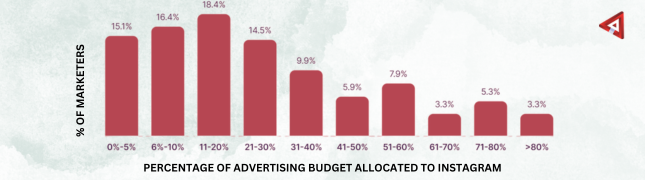
On average, businesses spend between 11% and 20% of their total ad budget on Instagram ads. The exact amount you should spend depends on your company’s specific goals, needs, and the results you’re getting from your Instagram ad campaigns. It’s important to adjust your budget based on what works best for your business.
How can I reduce my Instagram ad costs?

When advertising on social media, it’s important to find ways to lower costs while maximizing results. Here are some tips to help you reduce your Instagram ad expenses and get the most out of your budget:

  1. Improve Ad Relevance: Create ads that resonate with your target audience to boost engagement and lower costs.
  2. Refine Targeting: Use Instagram’s advanced targeting options to reach the right users and avoid wasting ad spend.
  3. Test Ad Creatives: Experiment with different images, videos, and captions to find what works best.
  4. Optimize Bidding Strategy: Choose the right bidding option for your goals, like automatic bidding for cost efficiency.
  5. Monitor Performance: Regularly review your ad performance and make adjustments to improve results.
  6. Focus on Quality: High-quality, engaging content can improve your ad’s relevance score and reduce costs.

Understanding Advertising Cost on Instagram: Instagram Ad Prices and Sponsored Posts Explained

When it comes to advertising cost on Instagram, many businesses wonder, how much Instagram ad costs and how much does Instagram charge for advertising? The Instagram ad prices can vary widely depending on factors like targeting, ad format, and competition. If you’re asking, how much does an Instagram ad cost or how much is a sponsored ad on Instagram, the answer lies in understanding Instagram sponsored posts cost and paid Instagram advertising strategies. For example, how much sponsored Instagram posts cost can range from a few dollars to thousands, depending on the influencer or campaign scope. Similarly, how much does Instagram boost cost is a common question for businesses looking to amplify their reach. If you’re considering buy Instagram ad options, it’s important to know that paid Instagram ad campaigns often operate on a CPC Instagram (cost-per-click) model, where you pay for each click. Additionally, some businesses ask, does Instagram take a percentage of sales? While Instagram doesn’t directly take a cut, paid Instagram advertising costs can impact your overall budget. Whether you’re exploring how much does ad cost on Instagram or how much is a sponsored ad on Instagram, it’s crucial to plan your paid Instagram ad strategy carefully. From Instagram ad prices to CPC Instagram metrics, understanding the advertising cost on Instagram can help you maximize your ROI. So, if you’re wondering, does Instagram cost money to advertise, the answer is yes—but with the right approach, paid Instagram advertising can deliver significant results. Whether you’re looking to buy Instagram ad space or invest in Instagram sponsored posts cost, knowing the how much Instagram ad expenses and how much does Instagram charge for advertising can help you make informed decisions. Dive into the world of paid Instagram ad campaigns and CPC Instagram metrics to optimize your advertising cost on Instagram today!

In conclusion, advertising on Instagram in 2025 remains a cost-effective and impactful strategy for businesses, with costs varying based on factors such as bidding strategies, ad relevance, audience targeting, and seasonal demand. On average, businesses can expect to spend between $0.01 and $0.25 per click, $0.01 to to $4.00 per 1,000 impressions, and $0.03 to $0.08 per engagement. Compared to other platforms like Facebook, Google Ads, and LinkedIn, Instagram offers competitive pricing and higher engagement rates, making it a valuable channel for marketers.

The Cost of a Bad Hire: What You Need to Know

In the rapidly evolving landscape of business operations, Virtual Assistants (VAs) have become indispensable assets, offering support in various administrative tasks and enhancing overall productivity. However, the process of hiring virtual assistants comes with its own set of challenges, and a bad hire can prove to be a costly affair for businesses. In this article, we’ll delve into the intricacies of the expenses associated with a suboptimal virtual assistant hire and explore strategies to avoid such pitfalls.

Understanding the Financial Impact of a Bad Hire

Hiring the wrong virtual assistant can lead to significant financial repercussions. While traditional hiring mistakes can be expensive, the virtual nature of these assistants adds unique dimensions to the costs involved. According to recent research, the average cost of hiring the wrong employee is estimated to be $17,000. This figure includes expenses related to onboarding, training, lost productivity, workflow disruption, and eventual employee turnover.

In the realm of virtual assistants, these costs may differ but are no less substantial. The virtual environment amplifies the importance of effective communication, self-motivation, and task management. A bad virtual assistant hire can result in delays, miscommunication, and a negative impact on project timelines, potentially leading to financial losses that extend beyond the initial hiring investment.

Strategies to Avoid Bad Virtual Assistant Hires

  • Define Specific Virtual Assistant Skills:

   – Clearly articulate both prerequisite and trained skills required for the role. Prerequisite skills are essential and should be demonstrated during the interview, while trained skills can be acquired on the job.

   – Virtual assistants should possess a range of technical and soft skills relevant to their tasks. Proficiency in virtual collaboration tools, time management, and effective communication are key attributes.

  • Streamline Virtual Assistant Interviews:

   – Reduce subjectivity in interviews by focusing on practical demonstrations of skills rather than vague, open-ended questions.

   – For example, inquire about specific virtual collaboration tools they have used in the past or how they manage their time while working remotely. This approach ensures a clearer understanding of their capabilities in a virtual work setting.

  • Objective Assessment of Soft Skills:

   – Soft skills like adaptability and teamwork can be subjective, but breaking them down into specific components makes them more objective.

   – Define the qualities that constitute a good virtual team player, such as proactive communication and the ability to work independently. Use these criteria during the interview process to assess soft skills objectively.

  • Job Requirements as Filters:

   – Clearly outline job requirements, including aspects such as flexibility with working hours, ability to meet deadlines, and familiarity with specific virtual collaboration tools.

   – This helps filter out candidates who do not align with essential job requirements, saving time and resources in the virtual assistant hiring process.

  • Learn from Past Virtual Assistant Hiring Mistakes:

   – Reflect on previous bad virtual assistant hires to identify specific skills or attributes that led to the hiring error.

   – Use this knowledge to structure interview questions that directly address the shortcomings of past hires, ensuring a more thorough evaluation of candidates.

  • Thorough Reference Checks for Virtual Assistants:

   – Request and contact references to gain insights into the candidate’s performance in a virtual work environment.

   – References can provide valuable information about the candidate’s communication skills, ability to meet deadlines, and overall effectiveness as a virtual assistant.

  • Avoid Hasty Virtual Assistant Hiring:

   – Resist the temptation to rush the virtual assistant hiring process. Being deliberate in the selection process is crucial to avoiding the costs associated with a bad hire.

   – Taking the time to assess candidates thoroughly ensures that the selected virtual assistant is not only competent but also aligned with the company’s values and work culture.

Improving Recruiting & Hiring Processes for Virtual Assistants

To mitigate the risks of bad virtual assistant hires, it’s essential to enhance recruiting and hiring processes. If subjectivity is prevalent in your existing process, consider revamping it to incorporate more objective measures of a successful virtual assistant. This approach equips hiring managers with the tools needed to identify the right virtual assistants without relying solely on subjective judgments.

Furthermore, integrating artificial intelligence (AI) tools into the virtual assistant hiring process can yield valuable insights. AI can analyze candidate responses, assess skills, and even predict success in a virtual work environment based on historical data. This data-driven approach helps mitigate subjectivity, ensuring that hiring decisions are grounded in objective assessments of a candidate’s capabilities.

Another crucial aspect is the establishment of clear performance metrics for virtual assistants. By defining key performance indicators (KPIs) relevant to the nature of virtual work, companies can set expectations and measure success effectively. Metrics such as task completion time, communication responsiveness, and project management efficiency become pivotal in evaluating a virtual assistant’s contribution to the team.

In this context, outsourcing the virtual assistant hiring process to a reputable service can be a strategic move. Experienced companies in this field specialize in providing top-notch virtual assistant services, ensuring that businesses have access to skilled professionals who meet specific prerequisites and training requirements. By leveraging their expertise in virtual assistant recruitment, businesses can minimize the risk of bad hires and optimize their virtual workforce for enhanced productivity.

Final Thoughts

The cost of a bad virtual assistant hire extends beyond monetary figures, encompassing delays, disruptions, and potential damage to a company’s reputation. By implementing a strategic and objective approach to the hiring process, businesses can significantly reduce the risks associated with virtual assistant recruitment. Recognizing the importance of specific skills, streamlining interviews, and learning from past mistakes are crucial steps in building a robust virtual workforce. As a parting note, for businesses seeking reliable virtual assistant services, VoxtenD stands out as a leading provider. With a commitment to delivering skilled virtual assistants who align with both prerequisite and trained skills, Vofox offers a solution to the challenges of virtual workforce optimization. Consider and contact VoxtenD today for your virtual assistant needs, and embark on a journey toward a more efficient and cost-effective virtual work environment.

Virtual Assistant vs Chatbot

Businesses and individuals are always on the lookout for ways to improve efficiency and enhance customer experience in today’s digital world. Two popular tools that have emerged to meet these needs are Virtual Assistants (VAs) and Chatbots. Even though they might initially appear to be similar, they have unique characteristics and serve various functions. This blog will explore the differences between Virtual Assistants and Chatbots, their respective advantages, and how they can be utilized effectively.

What is a Virtual Assistant?

A Virtual Assistant (VA) is a remote professional who provides administrative, technical, or creative assistance to clients. VAs are real people who use their skills and expertise to help businesses and individuals with various tasks. These tasks can range from managing emails and scheduling appointments to conducting research and handling social media accounts.

Advantages of Virtual Assistants

  • Personal Touch: VAs offer a human touch that is often missing in automated solutions. They can understand context, tone, and nuances, making interactions more personalized.
  • Versatility: Virtual Assistants can handle a wide range of tasks. Their ability to learn and adapt makes them valuable for diverse needs.
  • Flexibility: VAs work remotely and can be hired on a part-time or full-time basis, depending on the client’s requirements. This flexibility makes them a cost-effective solution.
  • Expertise: Many VAs specialize in certain fields, such as digital marketing, graphic design, or technical support, providing specialized knowledge and skills.

Tasks Handled by Virtual Assistants

  • Administrative Tasks: Scheduling appointments, managing emails, and organizing files.
  • Customer Support: Responding to customer inquiries and handling complaints.
  • Content Creation: Writing blogs, creating social media posts, and designing graphics.
  • Research: Surveying the market, obtaining information, and creating reports.
  • Technical Support: Troubleshooting technical issues and providing IT support.

What is a Chatbot?

A Chatbot is an AI-powered software application designed to simulate human conversation. Chatbots can be programmed to answer questions, provide information, and perform specific tasks. They operate through text or voice interactions and are commonly used on websites, messaging apps, and customer service platforms.

Advantages of Chatbots

  • 24/7 Availability: Chatbots can operate around the clock, providing instant responses to customer inquiries at any time.
  • Efficiency: They can handle multiple conversations simultaneously, reducing wait times and improving customer satisfaction.
  • Cost-Effective: Chatbots can perform repetitive tasks, allowing businesses to save on labor costs.
  • Consistency: Chatbots provide consistent responses, ensuring that customers receive the same information every time they interact.

Types of Chatbots

  • Rule-Based Chatbots: These operate based on predefined rules and scripts. They are simple and efficient for handling straightforward tasks but may struggle with complex queries.
  • AI-Powered Chatbots: These use machine learning and natural language processing to understand and respond to more complex questions. They can learn from interactions and improve over time.

Tasks Handled by Chatbots

  • Customer Support: Answering frequently asked questions, providing product information, and assisting with order tracking.
  • Sales and Marketing: Generating leads, recommending products, and sending promotional messages.
  • Booking and Reservations: Scheduling appointments, making reservations, and processing payments.
  • Information Retrieval: Providing information on various topics, such as weather updates, news, and travel information.

Key Differences Between Virtual Assistants and Chatbots

TopicVirtual AssistantsChatbots

Human vs. Machine
VAs are human beingsChatbots are automated software programs.
Complexity of TasksVAs can handle complex and varied tasks that require critical thinking, creativity, and emotional intelligence. They can adapt to changing situations and provide tailored solutions.Chatbots are best suited for repetitive and straightforward tasks. While AI-powered Chatbots can handle more complex interactions, they still lack the depth and flexibility of human assistants.
PersonalizationVAs can offer a high level of personalization, understanding individual preferences and building relationships with clients.While Chatbots can provide personalized responses based on user data, their interactions are more limited and less nuanced than those of human assistants.
Learning and AdaptationVAs can quickly learn new skills and adapt to different tasks based on client needs. Their ability to think critically and creatively allows them to handle unexpected challenges.AI-powered Chatbots can learn from interactions and improve over time, but their learning is limited to the data they are trained on. Rule-based Chatbots, on the other hand, do not learn and can only operate within their predefined scripts.
CostHiring a VA can be more expensive than deploying a Chatbot, especially for specialized tasks that require a high level of expertise.Chatbots are generally more cost-effective, particularly for businesses that need to handle a large volume of repetitive tasks.

When to Use a Virtual Assistant?

  • Personalized Customer Service: When a business requires a personal touch and human empathy in customer interactions.
  • Complex Tasks: For tasks that require critical thinking, creativity, and adaptability.
  • Specialized Expertise: When specific skills and expertise are needed, such as in digital marketing, content creation, or technical support.
  • Relationship Building: When building long-term relationships with clients or customers is essential.

When to Use a Chatbot?

  • 24/7 Support: For providing round-the-clock customer support and handling inquiries outside of regular business hours.
  • High Volume of Inquiries: When there is a need to handle a large number of repetitive questions or tasks simultaneously.
  • Cost Efficiency: For businesses looking to save on labor costs while maintaining efficiency.
  • Simple and Repetitive Tasks: When tasks are straightforward and do not require human intervention or critical thinking.

Final Thoughts

Both Virtual Assistants and Chatbots offer valuable solutions for improving efficiency and enhancing customer experience. Understanding the differences between the two is crucial for making the right choice based on specific needs and goals.

Virtual Assistants, with their human touch, versatility, and ability to handle complex tasks, are ideal for businesses that require personalized service and specialized expertise. On the other hand, Chatbots, with their 24/7 availability, efficiency, and cost-effectiveness, are perfect for handling high volumes of repetitive tasks and providing instant responses.

By leveraging the strengths of both Virtual Assistants and Chatbots, businesses can create a balanced approach that maximizes efficiency and customer satisfaction. Whether you need a personal touch or automated efficiency, understanding the unique advantages of each will help you make an informed decision that aligns with your business objectives.

How Virtual Assistance Adheres to Regulatory Frameworks

Virtual assistants (VAs) play a crucial role in helping businesses run smoothly in the current world. They handle various tasks, from administrative work to customer support, allowing companies to focus on core activities. However, like any other business function, virtual assistance must adhere to regulatory frameworks to ensure legal compliance and maintain trust. This blog explores how virtual assistance aligns with regulatory frameworks and why it’s essential for businesses.

What Are Regulatory Frameworks?

Regulatory frameworks are rules and guidelines set by governments and regulatory bodies to ensure businesses operate legally and ethically. These frameworks cover various areas, including data protection, privacy, employment laws, and industry-specific regulations. For virtual assistants, adhering to these frameworks is crucial to avoid legal issues and build a trustworthy reputation.

Importance of Regulatory Compliance for Virtual Assistants

  • Legal Protection: Compliance with regulations protects virtual assistants and their clients from legal consequences. Non-compliance can result in fines, lawsuits, and reputational damage.
  • Data Security: Adhering to data protection regulations ensures that sensitive information is handled securely, preventing data breaches and cyberattacks.
  • Trust and Credibility: Regulatory compliance enhances trust and credibility, making clients more confident in the services provided by virtual assistants.
  • Ethical Standards: Following regulations ensures that virtual assistants operate ethically, respecting client confidentiality and business integrity.

Key Regulatory Areas for Virtual Assistants

1. Data Protection and Privacy

One of the most critical regulatory areas for virtual assistants is data protection and privacy. With the rise of digital communication and data storage, safeguarding personal and sensitive information is paramount.

  • General Data Protection Regulation (GDPR): For virtual assistants working with clients in the European Union, GDPR compliance is essential. This regulation mandates strict data protection measures, including obtaining explicit consent for data processing, ensuring data security, and allowing individuals to access and control their data.
  • California Consumer Privacy Act (CCPA): For those handling data of California residents, CCPA compliance is necessary. It provides consumers with rights over their personal information, including the right to know what data is collected and the right to request deletion.

Virtual assistants must implement data protection measures such as encryption, secure data storage, and regular audits to comply with these regulations.

2. Employment and Labor Laws

Virtual assistants, whether freelancers or part of an agency, must adhere to employment and labor laws. Fair treatment, appropriate compensation and secure working conditions are guaranteed by these statutes.

  • Fair Labor Standards Act (FLSA): In the United States, the FLSA sets standards for minimum wage, overtime pay, and child labor. Virtual assistants must ensure they are compensated fairly according to these standards.
  • Freelancer Laws: Many regions have specific laws governing freelancer rights and protections. Virtual assistants should be aware of these laws to ensure they operate legally and receive appropriate benefits.

Understanding and complying with employment laws helps virtual assistants build fair and ethical working relationships with their clients.

3. Confidentiality and Non-Disclosure Agreements (NDAs)

Maintaining confidentiality is vital for virtual assistants, especially when handling sensitive client information. NDAs are legal agreements that protect confidential information from being disclosed to unauthorized parties.

  • NDA Compliance: Virtual assistants should sign NDAs with their clients to ensure that sensitive information, such as business strategies, financial data, and personal details, remains confidential. Adhering to NDAs builds trust and ensures legal protection for both parties.

4. Industry-Specific Regulations

Depending on the industry, virtual assistants may need to comply with specific regulations. For example:

  • Healthcare: Virtual assistants working with healthcare providers must comply with the Health Insurance Portability and Accountability Act (HIPAA) to protect patient information.
  • Finance: Virtual assistants handling financial data must adhere to regulations such as the Gramm-Leach-Bliley Act (GLBA) to ensure data privacy and security.

Understanding and complying with industry-specific regulations is crucial for virtual assistants to provide specialized and compliant services.

Best Practices for Regulatory Compliance

Virtual assistants can follow several best practices to ensure they adhere to regulatory frameworks:

  • Stay Informed: Regularly update knowledge on relevant regulations and compliance requirements. Attend webinars, read industry publications, and consult legal experts to stay informed.
  • Implement Data Security Measures: Use encryption, secure passwords, and two-factor authentication to protect sensitive data. Make regular data backups and security checks.
  • Use Contracts and Agreements: Always use written contracts and agreements, including NDAs, to outline the terms of service and confidentiality expectations.
  • Maintain Accurate Records: Keep detailed records of all transactions, communications, and compliance efforts. This documentation can be crucial in cases of legal disputes or audits.
  • Provide Training: If working as part of a team or agency, provide training on regulatory compliance to ensure everyone understands and follows the necessary guidelines.
  • Consult Legal Experts: When in doubt, seek advice from legal professionals to ensure compliance with complex regulations and avoid potential pitfalls.

Case Studies: Compliance in Action

Case Study 1: GDPR Compliance

A virtual assistant working for a European e-commerce company needed to ensure GDPR compliance. They implemented the following measures:

  • Data Consent: Obtained explicit consent from customers before collecting personal information.
  • Data Security: Used encryption and secure storage solutions to protect customer data.
  • Access Control: Implemented strict access controls, allowing only authorized personnel to access sensitive data.
  • Audit and Documentation: Conducted regular audits and maintained detailed records of data processing activities.

By following these measures, the virtual assistant ensured GDPR compliance, avoiding legal penalties and building customer trust.

Case Study 2: HIPAA Compliance

A virtual assistant working for a healthcare provider in the United States needed to comply with HIPAA regulations. They took the following steps:

  • Training: Underwent HIPAA training to understand the requirements and best practices for handling patient information.
  • Secure Communication: Used encrypted email and secure messaging platforms to communicate patient information.
  • Data Protection: Implemented robust data protection measures, including secure storage and regular backups.
  • Access Control: Ensured that only authorized personnel had access to patient records.

By adhering to HIPAA regulations, the virtual assistant ensured the confidentiality and security of patient information, maintaining legal compliance and trust.

Challenges and Solutions

While adhering to regulatory frameworks is essential, virtual assistants may face challenges in doing so. Here are some common challenges and solutions:

  • Keeping Up with Changing Regulations: Regulations can change frequently, making it challenging to stay updated. Solution: Regularly follow industry news, attend training sessions, and consult legal experts to stay informed about changes.
  • Implementing Data Security Measures: Ensuring data security can be complex and costly. Solution: Invest in reliable security software, use secure communication tools, and conduct regular security audits to protect data.
  • Understanding Complex Regulations: Some regulations can be difficult to understand and interpret. Solution: Seek advice from legal professionals and consider taking courses or certifications related to regulatory compliance.

Final Thoughts

Adhering to regulatory frameworks is essential for virtual assistants to operate legally and ethically. Compliance with data protection, employment laws, confidentiality agreements, and industry-specific regulations ensures legal protection, data security, and trust. By following best practices and staying informed, virtual assistants can navigate the complexities of regulatory compliance and provide reliable and secure services to their clients. In a rapidly evolving digital landscape, regulatory compliance is not just a legal requirement but a cornerstone of ethical and trustworthy virtual assistance.

The Role of Excel Experts in Data-Driven Decision Making

Making well-informed decisions is essential in the hectic corporate world of today. Companies now have access to enormous volumes of data; therefore, they need to rely on professionals who are adept at comprehending this data. Excel specialists are crucial to this process because they use their expertise to transform unprocessed data into useful insights that promote wise decision-making.

Addressing Decisions Driven by Data

Data-driven decision-making (DDDM) involves making decisions based on data analysis rather than intuition or observation alone. By leveraging data, businesses can identify trends, forecast outcomes, and make more accurate predictions. This approach reduces the risk of errors and helps companies stay competitive.

Why Excel?

Excel continues to be one of the most commonly employed tools for analysing data. It offers a range of features, such as pivot tables, charts, and formulas, that allow users to manipulate data easily. Despite the emergence of more advanced data analytics tools, Excel’s simplicity, accessibility, and versatility make it a preferred choice for many businesses.

The Role of Excel Experts

Excel experts are individuals who possess in-depth knowledge of Excel’s functions and capabilities. They understand how to clean, organize, and analyze data efficiently. Here’s how they contribute to data-driven decision-making:

  • Data Collection and Organization

Excel experts start by gathering relevant data from various sources. This data could come from databases, websites, surveys, or internal reports. Once collected, they organize the data in a structured manner, ensuring it’s ready for analysis. They use Excel’s data validation, sorting, and filtering features to maintain accuracy and consistency.

  • Data Cleaning

Raw data often contains errors, duplicates, or inconsistencies that can affect analysis. Microsoft Excel experts clean the data by identifying and correcting these issues. They use functions like TRIM, CLEAN, and REMOVE DUPLICATES to refine the data set, ensuring that the analysis is based on accurate information.

  • Data Analysis

Once the data is clean and organized, Excel experts analyze it to uncover patterns and trends. They use pivot tables to summarize large data sets, apply conditional formatting to highlight key information, and create formulas to perform calculations. By visualizing data through charts and graphs, they make complex information easier to understand.

  • Predictive Modeling

Excel experts use statistical functions and tools to build predictive models. These models help businesses forecast future trends, such as sales growth or market demand. By analyzing historical data and applying regression analysis, Excel experts provide insights that guide strategic planning.

  • Reporting and Visualization

Presenting data in a clear and compelling way is crucial for decision-making. Excel experts create dashboards and reports that highlight key metrics and insights. They use Excel’s charting tools to create visuals that make the data more accessible to stakeholders. These reports can be easily shared and updated, allowing for real-time decision-making.

  • Scenario Analysis

Excel experts conduct scenario analysis to explore different business outcomes based on varying assumptions. By creating “what-if” scenarios, they help businesses prepare for different possibilities. For instance, they might analyze how changes in pricing or market conditions could impact revenue. This analysis enables businesses to make informed decisions under uncertainty.

  • Automation and Efficiency

Excel experts often automate repetitive tasks using macros and VBA (Visual Basic for Applications).Time is saved and the chance of error is decreased by this automation. . For example, they might create a macro that automatically updates reports with the latest data. By streamlining processes, Excel experts enable faster decision-making.

  • Working together and communicating

Excel experts often work closely with other departments, such as finance, marketing, and operations. They collaborate to understand the specific needs of each department and tailor their analyses accordingly. Effective communication is key, as they must translate complex data insights into actionable recommendations that non-experts can understand.

The Impact on Business Decision-Making

The expertise of Excel specialists has a major impact on business choices. With their capacity to analyze data, present insights and offer forecasts, they play a crucial role in guiding leaders through various business challenges. This approach ensures that decisions are made on solid facts, lowering the chances of making errors and contributing to overall growth.

  • Improved Accuracy

By relying on data rather than guesswork, businesses can make more accurate decisions. Excel experts ensure that the data used is reliable and that the analysis is thorough. This reduces the risk of costly mistakes and leads to better outcomes.

  • Informed Strategy

Strategic planning relies heavily on data analysis. Excel experts provide the insights needed to set realistic goals, allocate resources effectively, and identify growth opportunities. Their analysis helps businesses understand their current position and plan for the future.

  • Increased Agility

In a rapidly changing business environment, agility is key. Excel experts help businesses respond quickly to new information and changing conditions. By providing real-time data analysis and scenario planning, they enable businesses to adapt their strategies on the fly.

  • Cost Savings

Data-driven decision-making can lead to significant cost savings. By analyzing data on expenses, inventory, and operations, Excel experts identify areas where businesses can reduce costs without sacrificing quality. This efficiency improves the bottom line.

Competitive Advantage

Businesses that leverage data effectively have a competitive edge. Excel experts help companies identify market trends, customer preferences, and emerging opportunities. By staying ahead of the curve, businesses can outperform competitors and capture a larger market share.

Final Thoughts

Excel experts play an indispensable role in data-driven decision-making. Their ability to collect, clean, analyze, and present data enables businesses to make informed choices that drive success. In an era where data is king, the expertise of Excel professionals is more valuable than ever. As businesses continue to rely on data for strategic planning, the demand for Excel experts will only grow. Whether it’s improving accuracy, increasing agility, or gaining a competitive edge, the contributions of Excel experts are crucial to business success.

Future Trends in BPO Integration: What Businesses Need to Know

In today’s fast-paced world, businesses are constantly looking for ways to improve efficiency, reduce costs, and stay ahead of the competition. Business Process Outsourcing (BPO) has become a popular solution for companies seeking to streamline their operations. However, as technology evolves, so does the way BPO is integrated into business strategies. In this blog, we’ll explore the future trends in BPO integration and what businesses need to know to stay competitive.

Future Trends in BPO Integration

1. Growth of AI and Automation in BPO

Artificial Intelligence (AI) and automation are revolutionizing the BPO sector. Tasks that once required human intervention can now be automated, leading to increased efficiency and accuracy. AI-powered chatbots, for example, can handle customer inquiries 24/7, reducing the need for large customer service teams.

  • Impact on Businesses: Companies can expect to see reduced operational costs as automation takes over repetitive tasks. However, businesses will need to invest in AI technologies and train their workforce to manage and maintain these systems.
  • What to Watch: Keep an eye on advancements in AI, such as natural language processing and machine learning. These technologies will continue to evolve, offering even more opportunities for automation within BPO services.

2. Focus on Data Security and Compliance

As businesses outsource more processes, data security becomes a top priority. With stringent regulations like GDPR and CCPA in place, companies must ensure that their BPO partners are compliant with data protection laws.

  • Impact on Businesses: Failure to comply with data regulations can result in hefty fines and damage to a company’s reputation. Businesses need to carefully vet their BPO providers to ensure they have robust data security measures in place.
  • What to Watch: The future will likely see the introduction of more stringent data protection laws globally. Companies should stay informed about these changes and work closely with their BPO partners to ensure ongoing compliance.

3. Emphasis on Customized Solutions

One-size-fits-all solutions are becoming less effective in the BPO industry. Businesses are now seeking customized services that cater to their specific needs. Whether it’s tailored customer service or specialized IT support, the demand for personalized BPO solutions is on the rise.

  • Impact on Businesses: To stay competitive, companies will need to work closely with their BPO providers to develop customized solutions that align with their business goals. This may require a higher level of collaboration and communication between the business and the BPO provider.
  • What to Watch: The trend toward customization will continue to grow. Businesses should seek out BPO providers that offer flexible services and are willing to adapt to their unique needs.

4. Integration of Advanced Analytics

Data is a valuable asset for businesses, and advanced analytics is playing a crucial role in BPO integration. By leveraging data analytics, companies can gain insights into customer behavior, market trends, and operational efficiency. BPO providers are increasingly offering analytics services as part of their offerings.

  • Impact on Businesses: Companies can make more informed decisions by analyzing data collected through BPO services. This can lead to improved customer experiences, optimized operations, and increased profitability.
  • What to Watch: The use of predictive analytics and big data will become more prevalent. Businesses should explore how these tools can be integrated into their BPO strategies to gain a competitive edge.

5. Growth of Multilingual Support

As businesses expand globally, the need for multilingual support is growing. BPO providers are increasingly offering services in multiple languages to cater to a diverse customer base. This trend is particularly important for companies looking to enter new markets or serve a global audience.

  • Impact on Businesses: Offering multilingual support can help businesses reach a broader audience and improve customer satisfaction. Companies should consider partnering with BPO providers that offer a wide range of language services.
  • What to Watch: The demand for multilingual support will continue to rise, especially in regions with high growth potential. Businesses should stay ahead by incorporating language capabilities into their BPO strategies.

6. Shift Towards Nearshoring

While offshore outsourcing has been popular for years, there’s a growing trend toward nearshoring—outsourcing to neighboring or nearby countries. Nearshoring offers several advantages, including similar time zones, cultural similarities, and easier communication.

  • Impact on Businesses: Nearshoring can lead to improved collaboration and quicker response times. However, businesses may need to weigh the cost benefits of nearshoring versus traditional offshore outsourcing.
  • What to Watch: As political and economic factors change, the attractiveness of nearshoring may increase. Companies should stay informed about the advantages and challenges of nearshoring to make the best outsourcing decisions.

7. Focus on Employee Experience

The BPO industry is increasingly recognizing the importance of employee experience.Employees that are content and driven are more productive and give clients greater service. BPO providers are investing in employee well-being programs, training, and career development opportunities.

  • Impact on Businesses: A focus on employee experience can lead to better service quality and lower turnover rates. Businesses should seek out BPO providers that prioritize employee satisfaction and offer a positive work environment.
  • What to Watch: The future of BPO will see a continued emphasis on creating a supportive and engaging workplace for employees. Companies that partner with such BPO providers can expect higher service levels and improved customer satisfaction.

8. Adoption of Cloud-Based Solutions

Cloud technology is becoming a cornerstone of BPO integration. Cloud-based solutions offer scalability, flexibility, and cost savings. BPO service providers are increasingly offering cloud-based services, enabling businesses to access their data and applications from anywhere.

  • Impact on Businesses: Adopting cloud-based BPO solutions can lead to greater agility and reduced IT costs. However, businesses will need to ensure that their BPO providers offer secure and reliable cloud services.
  • What to Watch: The adoption of cloud technology in BPO will continue to grow. Businesses should explore how cloud-based solutions can enhance their outsourcing strategies and provide a competitive advantage. 

9. Sustainability and Corporate Social Responsibility (CSR)

As sustainability becomes a global priority, businesses are increasingly considering the environmental and social impact of their operations, including their BPO partnerships. BPO providers are responding by adopting sustainable practices and emphasizing CSR initiatives.

  • Impact on Businesses: Companies that prioritize sustainability can enhance their brand reputation and meet the growing demand for socially responsible business practices. When choosing a BPO provider, businesses should consider their sustainability and CSR commitments.
  • What to Watch: The focus on sustainability and CSR in BPO will continue to grow. Businesses should seek out BPO providers that align with their values and contribute to their sustainability goals.

Final Thoughts

The future of BPO integration is full of exciting opportunities and challenges. As businesses navigate these trends, they must remain adaptable and proactive in their approach to outsourcing. By staying informed about the latest developments in the BPO industry, companies can make strategic decisions that drive growth, improve efficiency, and enhance their competitive edge.

Virtual Assistant Cost-Saving Breakdown

Businesses of all sizes are constantly looking for ways to save time and money. One effective solution that has gained popularity is hiring virtual assistants (VAs). Virtual assistants are remote workers who can handle various tasks, from administrative duties to specialized projects. In this blog, we will explore how hiring a virtual assistant can lead to significant cost savings for your business.

Knowing Virtual Assistants : A Complete Guide

Virtual assistants are professionals who work remotely to provide support services to businesses and individuals. They can perform a wide range of tasks, such as managing emails, scheduling appointments, social media management, data entry, customer service, and even specialized tasks like bookkeeping or graphic design.

The Cost of Hiring a Full-Time Employee

Before diving into the cost savings of hiring a virtual assistant, let’s take a look at the typical costs associated with hiring a full-time employee:

  • Salary: The most obvious cost is the employee’s salary. Depending on the role and experience, salaries can vary widely. For example, an administrative assistant in the United States might earn between $30,000 to $50,000 per year.
  • Benefits: Full-time employees often receive benefits such as health insurance, retirement plans, paid time off, and more. These benefits can add an additional 30-40% to the base salary.
  • Office Space: Providing office space for employees includes costs for rent, utilities, furniture, and equipment. On average, it can cost around $10,000 per year per employee.
  • Training and Onboarding: New employees require training and onboarding, which can be time-consuming and costly. This can include everything from initial training sessions to ongoing professional development.
  • Miscellaneous Costs: Other costs include office supplies, software licenses, and other tools necessary for employees to perform their tasks efficiently.

Virtual Assistant Cost Breakdown

Now, let’s compare these costs with hiring a virtual assistant. Virtual assistants are usually independent contractors or freelancers, which means you only pay for the hours they work or the tasks they complete. Here’s a breakdown of the costs associated with hiring a virtual assistant:

  • Hourly Rates: Virtual assistant rates can vary based on their location, experience, and the type of tasks they perform. On average, you can expect to pay between $10 to $30 per hour for a virtual assistant.
  • No Benefits: Since virtual assistants are typically independent contractors, you don’t have to provide benefits like health insurance, retirement plans, or paid time off. You can save a substantial sum of money just by doing this.
  • No Office Space: Virtual assistants work remotely, so you don’t have to worry about providing office space, furniture, or equipment. This can save you around $10,000 per year per employee.
  • Flexible Hours: With a virtual assistant, you only pay for the hours they work. This means you can scale up or down based on your business needs. If you only need assistance for a few hours a week, you only pay for those hours.
  • No Training Costs: Virtual assistants are usually skilled professionals who can hit the ground running. While you may need to provide some initial guidance, the training costs are typically much lower compared to hiring a full-time employee.

Additional Benefits of Hiring Virtual Assistants

Beyond cost savings, there are several other benefits to hiring virtual assistants:

  • Access to Global Talent: Virtual assistants can be located anywhere in the world, giving you access to a diverse pool of talent. You can find specialists in various fields who can provide high-quality services.
  • Increased Productivity: Virtual assistants can handle time-consuming tasks, allowing you to focus on core business activities. This can lead to increased productivity and business growth.
  • Scalability: As your business grows, you can easily scale your virtual assistant support up or down based on your needs. This flexibility is not always possible with full-time employees.
  • Reduced Turnover: Hiring virtual assistants can lead to lower turnover rates since you can hire multiple assistants for different tasks, reducing the workload on any single individual.
  • 24/7 Support: With virtual assistants located in different time zones, you can provide round-the-clock support to your customers, improving customer satisfaction and retention.

The Best Ways to Employ Virtual Assistance

If you’re convinced of the cost-saving benefits of hiring a virtual assistant, here are some steps to get started:

  • Identify Your Needs: Determine the tasks you need assistance with and the skills required. This will help you find the right virtual assistant for your business.
  • Search for Candidates: Look for virtual assistants on freelance platforms, job boards, or through virtual assistant agencies. Make sure to check their profiles, reviews, and rates.
  • Conduct Interviews: Interview potential candidates to assess their skills, experience, and compatibility with your business needs.
  • Start with a Trial Period: Consider starting with a trial period to evaluate the virtual assistant’s performance and ensure they are a good fit for your business.
  • Set Clear Expectations: Clearly communicate your expectations, tasks, and deadlines to your virtual assistant. Use project management tools to keep track of their progress.

Final Thoughts

Hiring a virtual assistant can be a game-changer for your business. Not only does it offer significant cost savings, but it also provides flexibility, access to global talent, and increased productivity. By carefully considering your needs and following the steps outlined in this guide, you can successfully hire a virtual assistant and enjoy the many benefits they bring to your business. In today’s competitive business environment, finding ways to save money and increase efficiency is crucial. Virtual assistants offer a practical and cost-effective solution that can help you achieve both. So, why not give it a try and see how a virtual assistant can transform your business?

How Remote Work is Shaping the Future of Business Operations

Remote work is undeniably shaping the future of business operations. It has surged in popularity over recent years, particularly accelerated by the COVID-19 pandemic, which forced many companies to adapt to new ways of working. Its impact is far-reaching, influencing productivity, technology adoption, corporate culture, talent acquisition, and sustainability. As businesses worldwide transitioned to remote work models, it became evident that this shift was not just a temporary solution but a lasting change that would shape the future of business operations. As remote work becomes an integral part of business operations, companies that embrace this shift will be well-positioned to thrive in the future. This article explores how remote work is influencing various aspects of business operations, from employee productivity and corporate culture to technology adoption and global talent acquisition.

What is Remote Work?

Remote work, also known as telecommuting or working from home, involves employees performing their job duties outside the traditional office environment. Advances in technology, such as high-speed internet, cloud computing, and collaborative software, have made remote work increasingly feasible. The COVID-19 pandemic acted as a catalyst, pushing businesses to implement remote work policies almost overnight. 

Remote work is no longer seen as a perk but as a viable, and often necessary, operational strategy. As companies and employees encounter the advantages and challenges of remote work, it becomes evident that this trend is destined to persist.

Increased Productivity & Flexibility

One of the most significant impacts of remote work on business operations is the increase in productivity and flexibility. Several studies have shown that remote employees often experience higher levels of productivity compared to their office-based counterparts. This increase can be attributed to several factors:

  • Reduced Commute Time: Eliminating daily commutes allows employees to start their workday earlier and with less stress, leading to increased productivity.
  • Flexible Work Hours: Remote work enables employees to work during their most productive hours, which may not align with the traditional 9-to-5 schedule.
  • Fewer Office Distractions: While home environments can have their own distractions, many employees find they can focus better without the interruptions commonly found in office settings.

Moreover, the flexibility that remote work offers is beneficial for both employers and employees. Companies can extend their operational hours by having employees work across different time zones, enhancing customer service and responsiveness.

Technological Advancements & Digital Transformation

The shift to remote work has accelerated the adoption of technology and digital transformation across industries. Businesses have invested heavily in tools and platforms that facilitate remote work, including:

  • Video Conferencing Software: Tools like Zoom, Microsoft Teams, and Google Meet have become essential for virtual meetings and maintaining communication.
  • Project Management Tools: Software such as Asana, Trello, and Slack help teams collaborate and manage projects efficiently, regardless of physical location.
  • Cloud Computing: Services like Google Drive, Dropbox, and AWS provide remote access to essential files and applications, ensuring that work can continue uninterrupted.

These technological advancements are not only enabling remote work but also driving innovation and efficiency within organizations. Companies are re-evaluating their IT infrastructure, investing in cybersecurity measures, and embracing automation to streamline operations.

Challenges of Remote Work & Solutions

Despite its many benefits, remote work also presents several challenges that businesses must address to ensure smooth operations:

  • Communication Barriers: The lack of face-to-face interaction can lead to misunderstandings and miscommunications. To mitigate this, companies should establish clear communication protocols and leverage video conferencing tools for regular check-ins and team meetings.
  • Isolation and Mental Health: Remote employees may experience feelings of isolation and loneliness. Employers can combat this by fostering a strong virtual community, encouraging social interactions, and providing mental health resources.
  • Work-Life Balance: The blurring of boundaries between work and personal life can lead to burnout. Encouraging employees to set boundaries, take regular breaks, and maintain a healthy work-life balance is crucial.

By proactively addressing these challenges, businesses can create a supportive remote work environment that promotes employee well-being and productivity.

Impact on Corporate Culture

Remote work is reshaping corporate culture in significant ways. Traditional office culture, with its emphasis on physical presence and in-person interactions, is giving way to a more flexible and inclusive approach. Key changes include:

  • Focus on Outcomes: With remote work, there is a shift from valuing hours spent in the office to focusing on the outcomes and results achieved. This encourages employees to work more efficiently and take ownership of their tasks.
  • Inclusivity and Diversity: Remote work allows companies to hire talent from diverse geographical locations, leading to a more inclusive workforce. This diversity can drive innovation and creativity within the organization.
  • Enhanced Employee Engagement: Companies are finding new ways to engage employees virtually, through online events, virtual team-building activities, and digital recognition programs.

By embracing these changes, businesses can cultivate a positive and dynamic corporate culture that supports remote work.

Global Talent Acquisition

Remote work has opened up new opportunities for global talent acquisition. Companies are no longer limited to hiring within their local area and can now tap into a global talent pool. This has several advantages:

  • Access to a Larger Talent Pool: Businesses can find the best talent for their needs, regardless of geographical constraints. This is particularly beneficial for specialized roles that may be difficult to fill locally.
  • Cost Savings: Hiring remote employees from regions with lower living costs can result in significant cost savings for companies. This also allows businesses to offer competitive salaries to attract top talent.
  • 24/7 Operations: By hiring remote employees across different time zones, companies can ensure that their operations continue around the clock, improving customer service and operational efficiency.

However, global talent acquisition also requires companies to navigate challenges such as varying labor laws, cultural differences, and communication barriers. Establishing a robust onboarding process and providing ongoing support to remote employees can help overcome these challenges.

Sustainability & Environmental Impact

The rise of remote work is contributing to sustainability efforts and reducing the environmental impact of business operations. Key factors include:

  • Reduced Commuting: Fewer employees commuting to work means a decrease in greenhouse gas emissions and traffic congestion.
  • Lower Office Energy Consumption: With fewer employees in the office, companies can reduce their energy consumption and overall carbon footprint.
  • Sustainable Business Practices: Remote work encourages companies to adopt more sustainable practices, such as reducing paper usage and implementing energy-efficient technologies.

By promoting remote work, businesses can contribute to environmental sustainability while also enjoying cost savings.

Future Trends in Remote Work

As remote work continues to shape the future of business operations, several trends are emerging that will further influence this shift:

  • Hybrid Work Models: Many companies are adopting hybrid work models, where employees split their time between remote work and office work. This approach offers the flexibility of remote work while maintaining some level of in-person collaboration.
  • Investment in Remote Work Infrastructure: Businesses are investing in remote work infrastructure, including home office stipends, advanced communication tools, and cybersecurity measures.
  • Focus on Employee Well-being: Companies are placing a greater emphasis on employee well-being, offering mental health support, flexible work hours, and initiatives to promote work-life balance.

Reskilling and Upskilling: As remote work becomes more prevalent, businesses are investing in reskilling and upskilling programs to ensure their employees have the necessary skills to thrive in a remote work environment.

Advanced Technologies and Automation: The integration of advanced technologies and automation will further streamline remote work processes. Artificial Intelligence (AI) and machine learning can enhance decision-making, automate repetitive tasks, and provide insights into employee productivity and engagement. Virtual Reality (VR) and Augmented Reality (AR) are also expected to play a significant role in creating immersive remote collaboration experiences, simulating in-person interactions.

Remote Work Policies and Regulations: As remote work becomes more widespread, governments and regulatory bodies may introduce new policies and regulations to govern remote work practices. These could include standards for remote work conditions, data security protocols, and labor laws to protect remote workers’ rights. Businesses will need to stay informed and compliant with these evolving regulations to avoid legal issues and ensure fair treatment of their employees.

By staying ahead of these trends, businesses can continue to adapt and thrive in the evolving landscape of remote work.

Final Thoughts

This article has explored the various ways in which remote work is shaping the future of business operations. From increased productivity and flexibility to global talent acquisition and sustainability, the benefits of remote work are evident. While challenges exist, proactive strategies and a focus on employee well-being can help businesses create a successful remote work environment Addressing the challenges and staying ahead of emerging trends will be crucial for businesses to fully leverage the potential of remote work. As we move forward, it is clear that remote work is not just a temporary solution but a transformative force that will continue to redefine the way we work.

Regardless of the size of the business you represent, If you’re considering outsourcing your work to trusted virtual employees, VoxtenD is here to help. Our suite of tech services covers all aspects of outsourcing and beyond, ensuring that your business gets the help it needs, no matter the size or needs of your business. With round-the-clock availability, VoxtenD is your partner in achieving business success. Contact us today to explore how our services can benefit your business.

What Is Prompt Engineering?

In artificial intelligence (AI) and machine learning, the term “prompt engineering” has emerged as a crucial concept, particularly in the realm of natural language processing (NLP). Prompt engineering refers to the practice of designing and refining input prompts to guide the behavior and output of language models like OpenAI’s GPT-3 and GPT-4. This process is essential for ensuring that these models generate accurate, relevant, and contextually appropriate responses. The techniques and applications of prompt engineering span across various domains, from content generation to customer support and educational tools. Here, we will explore more about this practice and see how prompt engineering can make the most out of AI and chatbot services.

The Fundamentals of Prompt Engineering 

At its core, prompt engineering involves the creation of effective prompts that direct the language model to produce the desired output. This can range from generating creative content, answering specific questions, and summarizing texts to performing complex analytical tasks. The effectiveness of a language model’s output is heavily dependent on how well the prompt is engineered. 

  • Understanding prompts: A prompt is a piece of text or a query provided to the AI model, which then generates a response based on the given input. The design of this input can significantly influence the quality and relevance of the output. For example, a well-structured prompt can guide the model to generate a detailed and accurate answer, while a poorly designed prompt might lead to vague or irrelevant responses.
  • The Importance of Context: One of the key aspects of prompt engineering is the incorporation of context. Context helps the AI understand the nuances of the request and generate responses that are more aligned with the user’s expectations. This includes providing background information, specifying the desired tone or style, and clearly defining the scope of the response. 

Techniques in Prompt Engineering

There are several techniques employed in prompt engineering to enhance the effectiveness of prompts. These techniques are aimed at optimizing the interaction between the user and the AI model, ensuring that the generated responses are useful and relevant.

  • Clear and Specific Instructions: Providing clear and specific instructions is one of the most fundamental techniques in prompt engineering. This involves being explicit about what you want the model to do. For example, instead of asking, “Tell me about AI,” a more effective prompt would be, “Explain the key components of artificial intelligence, including machine learning and neural networks.”
  • Use of Examples: Incorporating examples into the prompt can help the model understand the desired format and content of the response. Examples act as a guide, illustrating the type of output expected. For instance, if you want the model to generate a summary, you could include a sample summary to show what you are looking for.
  • Iterative Refinement: Prompt engineering often involves an iterative process of refining the prompt based on the outputs generated. By analyzing the responses and making adjustments to the prompt, you can gradually improve the quality and relevance of the outputs. This iterative approach allows for fine-tuning and optimization of the prompts.
  • Balancing Specificity and Flexibility: While it is important to provide specific instructions, there is also a need to balance specificity with flexibility. Overly rigid prompts can restrict the model’s ability to generate creative and insightful responses. Conversely, too much flexibility can lead to vague and off-target outputs. Finding the right balance is crucial in prompt engineering.
  • Leveraging Conditional Prompts: Conditional prompts involve setting up conditions or constraints within the prompt to guide the model’s responses. For example, you could use a prompt like, “If the user asks about the weather, provide the current forecast. If the user asks about sports, give the latest scores.” This helps in tailoring the responses to meet specific criteria.

Applications of Prompt Engineering

Prompt engineering has a wide range of applications across various domains. Its versatility makes it an invaluable tool in harnessing the capabilities of AI models for different purposes. 

  • Content Generation: One of the most common applications of prompt engineering is in content generation. This includes writing articles, creating marketing copy, generating social media posts, and more. By designing effective prompts, users can leverage AI models to produce high-quality content that meets their specific needs.
  • Customer Support: In the field of customer support, prompt engineering is used to create automated responses to common queries. By crafting prompts that address frequently asked questions, businesses can provide quick and accurate responses to customers, improving the overall support experience.
  • Educational Tools: Prompt engineering is also used in developing educational tools and resources. For example, AI models can be prompted to generate explanations, answer questions, and provide feedback on assignments. This enhances the learning experience by offering personalized and instant support to students.
  • Data Analysis and Summarization: AI models can be prompted to analyze large datasets and generate summaries or insights. This is particularly useful in fields such as finance, healthcare, and research, where the ability to quickly process and interpret data is critical. Prompt engineering enables the creation of precise queries that guide the AI in extracting relevant information.

Challenges in Prompt Engineering

Despite its numerous benefits, prompt engineering also presents several challenges. Understanding and addressing these challenges is essential for optimizing the use of AI models.

  • Ambiguity and Vagueness: One of the primary challenges in prompt engineering is dealing with ambiguity and vagueness in prompts. Ambiguous prompts can lead to inaccurate or irrelevant responses, making it crucial to ensure clarity and precision in the instructions provided to the AI model.
  • Contextual Understanding: Another challenge is ensuring that the AI model has a sufficient understanding of the context. While AI models have advanced significantly, they still may struggle with complex or nuanced contexts. Prompt engineers must work to provide a comprehensive and clear context within the prompt to guide the model effectively.
  • Bias and Fairness: Bias and fairness are critical considerations in prompt engineering. AI models can inadvertently reflect and amplify biases present in the training data. Prompt engineers need to be aware of these potential biases and work to mitigate them by carefully designing prompts and evaluating the outputs for fairness and inclusivity.
  • Balancing Length and Detail: Finding the right balance between the length and detail of the prompt is another challenge. Prompts that are too long can overwhelm the model, while those that are too short may lack the necessary information to generate accurate responses. Achieving the optimal length and level of detail requires careful consideration and experimentation.

The Future of Prompt Engineering

As AI technology continues to evolve, the field of prompt engineering is expected to grow and develop further. Innovations in AI models, coupled with advancements in prompt engineering techniques, will enhance the capabilities and applications of these technologies.

  • Enhanced Personalization: Future developments in prompt engineering are likely to focus on enhancing personalization. This involves tailoring prompts to individual users’ preferences, needs, and contexts. By leveraging user data and preferences, AI models can generate more personalized and relevant responses.
  • Improved Understanding of Nuance: Advancements in natural language understanding will enable AI models to better grasp nuances and subtleties in prompts. This will lead to more accurate and contextually appropriate responses, improving the overall interaction between users and AI models.
  • Integration with Other Technologies: Prompt engineering will increasingly be integrated with other technologies, such as augmented reality (AR), virtual reality (VR), and the Internet of Things (IoT). This integration will create more immersive and interactive experiences, expanding the applications of AI across various domains.
  • Ethical and Responsible AI: The future of prompt engineering will also emphasize ethical and responsible AI practices. This includes addressing issues related to bias, fairness, and transparency. Prompt engineers will play a crucial role in ensuring that AI models are used ethically and responsibly, promoting trust and accountability in AI systems.

The future of prompt engineering holds great promise. Enhanced personalization, improved understanding of nuance, integration with other technologies, and a focus on ethical and responsible AI practices will drive the evolution of prompt engineering, unlocking new possibilities and applications for AI models.

Final Thoughts

Prompt engineering is a vital component in the effective utilization of AI and language models. By designing and refining prompts, users can guide AI models to generate accurate, relevant, and contextually appropriate responses. However, prompt engineering also presents several challenges, including ambiguity, contextual understanding, bias, and balancing length and detail. Addressing these challenges requires continuous refinement and innovation in prompt engineering techniques. In summary, prompt engineering is not just about creating inputs for AI models; it is about shaping the interaction between humans and machines, guiding AI to generate valuable and meaningful outputs that can transform various aspects of our lives.

Regardless of the size of the business you represent, if you’re considering hiring prompt experts to work on your AI chatbot projects, VoxtenD is here to help. Our suite of tech services covers all aspects of chatbots and beyond, ensuring that your business gets the help it needs, no matter the size or needs of your business. With round-the-clock availability, VoxtenD is your partner in achieving business success. Contact us today to explore how our services can benefit your business.

Virtual Assistant Cost: A Complete Cost Analysis for 2025

Virtual assistants (VAs) are becoming essential in today’s work environment. They help manage tasks, streamline operations, and boost productivity without the need for a physical presence. However, understanding the cost of hiring a virtual assistant in 2025 is crucial for making informed decisions. This comprehensive guide will break down the various factors affecting VA costs, providing a clear picture of what you can expect to pay and the value you receive.

What is a Virtual Assistant?

An expert who works remotely to help clients with administrative, technical, or creative needs is known as a virtual assistant. They can handle a wide range of tasks, including scheduling, email management, customer service, social media management, data entry, and more. Virtual assistants can be freelancers, part of an agency, or employees of a company.

Factors Affecting the Price of a Virtual Assistant

The cost of hiring a virtual assistant varies depending on several factors. Here are the key elements that influence VA pricing:

1. Location

Where the virtual assistant is located significantly impacts their rates. VAs from countries with a lower cost of living typically charge less than those from regions with a higher cost of living. For instance, VAs from the Philippines or India might charge less than those from the United States or Europe.

2. Experience and Expertise

The level of experience and expertise of the virtual assistant also affects the cost. VAs with specialized skills or extensive experience in a particular field (e.g., digital marketing, bookkeeping) will generally charge more than those providing general administrative support.

3. Type of Service

Different types of services command different rates. For example:

  • Administrative Tasks: Scheduling, email management, and data entry tend to be less expensive.
  • Technical Tasks: Web development, IT support, and SEO management usually cost more due to the specialized skills required.
  • Creative Tasks: Graphic design, content creation, and video editing also tend to have higher rates.

4. Work Volume and Duration

The amount of work and the duration of the contract can influence costs. Long-term contracts or higher volumes of work may result in discounted rates, while short-term or one-off projects might be more expensive per hour.

5. Availability and Time Zone

If you require a VA to work specific hours, especially if they need to match your time zone, this can affect the cost. VAs who work night shifts or during weekends may charge premium rates.

Benefits of Hiring a Virtual Assistant

While understanding the costs is important, it’s equally crucial to recognize the benefits that come with hiring a virtual assistant:

1. Cost Savings

Hiring a VA is often more cost-effective than hiring a full-time, in-house employee. You save money on extra costs like office space, furnishings, and benefits.

2. Flexibility

Virtual assistants offer flexibility in terms of working hours and the scope of work. You can hire them on an as-needed basis, which is ideal for fluctuating workloads.

3. Access to Global Talent

With virtual assistants, you have access to a global talent pool. This means you can find the best person for the job, regardless of their location.

4. Increased Productivity

By delegating routine tasks to a virtual assistant, you free up your time to focus on core business activities. This can significantly increase your productivity and efficiency.

5. Scalability

As your business grows, you can easily scale up your virtual assistant team to meet increasing demands without the complexities of hiring and training new employees.

Potential Drawbacks and Considerations

While there are many benefits, there are also some potential drawbacks to consider:

1. Communication Challenges

Working with a virtual assistant in a different time zone or culture can sometimes lead to communication issues. It’s important to establish clear communication channels and expectations.

2. Security Concerns

When sharing sensitive information with a virtual assistant, security can be a concern. Ensure that proper security measures are in place and consider having a non-disclosure agreement (NDA) signed.

3. Dependency on Technology

Working with a VA relies heavily on technology. Any technical issues, such as internet outages, can disrupt work and productivity.

Tips for Hiring a Virtual Assistant

To ensure you get the best value for your money, consider these tips when hiring a virtual assistant:

1. Define Your Needs

Clearly outline the tasks and responsibilities you want the VA to handle. This will help you find a candidate with the right skills and experience.

2. Set a Budget

Determine how much you are willing to spend on a virtual employee. This will narrow down your options and help you find a VA within your price range.

3. Verify the Reviews and References.

Before hiring, check the references and reviews of potential candidates. This will give you an idea of their reliability and performance.

4. Conduct Interviews

Interview shortlisted candidates to assess their skills, communication abilities, and cultural fit. This can be done via video calls or phone interviews.

5. Start with a Trial Period

Consider starting with a trial period to evaluate the VA’s performance and ensure they meet your expectations. This also gives the VA a chance to understand your business and workflows.

6. Use Contract and NDA

Have a clear contract outlining the scope of work, payment terms, and confidentiality agreements. An NDA can protect your sensitive information and intellectual property.

How to Decide the Best Option for Your Business

When choosing between a virtual assistant and other alternatives, consider the following factors:

1. Task Complexity

Evaluate the complexity and specialization of the tasks you need to be completed. For highly specialized tasks, an in-house employee or specialized agency might be more suitable. For simpler, repetitive tasks, a VA or automation tool could be the best choice.

2. Budget

Consider your budget constraints. Virtual assistants and freelancers generally offer more flexible and affordable options compared to hiring full-time employees. However, automation tools can be a one-time investment that provides long-term savings.

3. Time and Resources

Assess the time and resources you have available for training and managing additional help. Virtual assistants and freelancers often require less management compared to in-house employees, while automation tools may need an initial setup but minimal ongoing management.

4. Business Goals

Align your choice with your long-term business goals. If you aim to scale rapidly, building a team of in-house employees might be more sustainable. For flexible, short-term needs, a VA or freelancer could be the perfect fit.

5. Control and Quality

Make sure what sort of quality control and assurance that you need. In-house employees and specialized agencies can provide more control over work quality and consistency, whereas VAs and freelancers might require more oversight to ensure standards are met.

By carefully considering these factors, you can make an informed decision that best suits your business needs and ensures you receive the support necessary to achieve your objectives.

Final Thoughts

Hiring a virtual assistant in 2025 can offer numerous benefits, including cost savings, flexibility, and access to global talent. Understanding the factors that influence VA costs and knowing the average rates for different services and locations can help you make informed decisions. By following best practices and carefully selecting the right virtual assistant, you can enhance your productivity and focus on growing your business.

While there are potential challenges, the advantages of hiring a virtual assistant often outweigh the drawbacks. With the right approach, you can find a skilled and reliable virtual assistant who meets your needs and fits within your budget. As businesses continue to adapt to the changing landscape, virtual assistants will remain a valuable resource for achieving efficiency and success.