


Google Alternative Search Engines

In the vast realm of the internet, the term “search engine” is almost synonymous with Google. However, the digital landscape offers a plethora of alternative search engines that cater to different needs. Whether it’s the commitment to privacy, unique search capabilities, or a focus on specific content types, these alternative search engines provide users with choices beyond the conventional Google search engine. In this article, we will explore some of these alternative search engines to Google, unveiling their distinctive features and highlighting why users might consider them in place of the omnipresent Google search engine.


Best Alternative Search Engines to Google


Bing: Bing serves as a noteworthy alternative search engine to Google, offering users a distinct experience in search functionality. Powered by Microsoft, Bing employs a visually appealing homepage with daily changing backgrounds. Its unique features, such as the “Bing Image Search” and “Video Preview” options, differentiate it from Google. While Google dominates the search engine landscape, Bing often provides comparable results and is integrated into Microsoft products like Windows and Microsoft Edge, attracting users seeking an alternative ecosystem. Though Google remains the search giant, Bing’s user-friendly interface and integration with Microsoft services make it a viable choice for those looking beyond the ubiquitous Google search.


DuckDuckGo: One of the prime concerns in today’s digital age is online privacy. DuckDuckGo, positioned as a Google alternative search engine, prides itself on being the search engine that does not track or personalize your searches. It is a compelling option for users who prioritize online privacy and want to escape the tracking mechanisms associated with mainstream search engines.


Ecosia: Ecosia offers a unique proposition – it plants trees as you search. This alternative search engine utilizes its surplus income to support conservationist organizations that plant trees. Ecosia utilizes Bing and its search algorithms, providing users with an eco-friendly option without compromising on search quality.


Dogpile: If you desire results from the top three search engines but want to avoid visiting them individually, Dogpile could be the solution. Dogpile aggregates results from Google, Bing, and Yahoo, presenting them in a consolidated format. It simplifies the search process, offering users a streamlined experience without the need to switch between different search engines.


WolframAlpha: For those seeking a search engine based on computation and metrics, WolframAlpha is a standout choice. It goes beyond traditional search functionalities, providing users with website data, historical information by date, unit conversions, stock data, sports statistics, and more. WolframAlpha is a valuable tool for users requiring data-driven answers.


Startpage: Startpage is another strong contender among Google alternative search engines. It enables users to search without being tracked, emphasizing privacy by allowing searches without cookies or trackers. With a user-friendly interface and a Chrome plug-in for added privacy, Startpage offers a familiar search experience without compromising on user data security.


Qwant: Qwant positions itself as an EU-based search engine prioritizing user privacy. Operating with a commitment to complete confidentiality, Qwant neither tracks user searches nor sells personal data. This Paris-based search engine provides an alternative for users who are cautious about the privacy implications of mainstream search engines.


Yandex: Yandex is a Russian search engine that offers a range of services, including a search engine, maps, and even an email platform. It is the most popular search engine in Russia and has a significant presence in other countries as well. Yandex’s search algorithm focuses on delivering relevant results, and it supports multiple languages.


Mojeek: Mojeek is a privacy-focused search engine based in the United Kingdom. It takes a unique approach by building its index of the web, emphasizing user privacy by not tracking or storing personal information. Mojeek aims to provide unbiased and impartial search results, making it an attractive option for those concerned about online privacy.


Gibiru: Gibiru is a privacy-centric search engine that emphasizes user anonymity. It uses a modified version of Google’s search algorithm but claims not to store any user data. Gibiru’s focus is on delivering uncensored search results, making it an option for users who want to avoid filtered or personalized content.


Ekoru: Ekoru is an eco-friendly search engine that donates a portion of its revenue to ocean conservation projects. It operates on a green infrastructure, using renewable energy for its servers. Ekoru focuses on reducing the environmental impact of online searches while providing users with a sustainable and ethical alternative.


Gigablast: Gigablast is an independent search engine that prides itself on its comprehensive coverage of the web. It allows users to search through a vast index of websites and offers advanced search features. Gigablast is known for its commitment to providing an alternative search experience outside of major search engine giants.


BoardReader: BoardReader focuses on forum searches, allowing users to narrow down results by date and language. This search engine is a valuable resource for individuals looking to participate in industry-specific forums.


Blog Search Engine: Aptly named, Blog Search Engine facilitates the search for industry-related blogs and posts using keywords. While not perfect, it offers a targeted approach for users looking to explore blog content.


Google Advanced Search: Google Advanced Search stands out for its specificity in searching for particular document types. Users can refine searches to find PDFs, Word docs, or PowerPoint presentations, tailoring their search experience.


Scribd: Scribd serves as a comprehensive platform for discovering original written content across the web. Users can filter results by category, language, and document type, making it a valuable resource for readers and researchers.


Swisscows: Swisscows, a privacy-focused search engine based in Switzerland, prioritizes user security with fully encrypted searches. Known for not storing personal data or search queries, it’s popular among parents seeking a safe online environment for their children. Swisscows utilizes semantic information recognition for intuitive search answers and features an innovative semantic map for relevant queries.


Lukol: Lukol positions itself as an anonymous search engine leveraging Google’s search capabilities while ensuring user privacy. By eliminating traceable elements, Lukol maintains complete anonymity. With a straightforward interface offering web, images, news, and video searches, Lukol caters to users seeking Google-like functionality without compromising on privacy.


Final Thoughts


While Google undoubtedly dominates the search engine arena, the alternatives mentioned above cater to diverse user needs.. Exploring these alternatives can lead to a more tailored and personalized online search experience. In the dynamic landscape of digital presence, ensuring optimal visibility on search engines is imperative. At Vofox, we understand the nuances of effective SEO strategies and can help you navigate the diverse options available. As you explore alternative search engines to Google, Vofox’s SEO services stand ready to guide you in choosing the most suitable search engine strategy for your unique business needs. Elevate your online presence with Vofox’s expertise in SEO, ensuring your business is at the forefront of relevant search results.
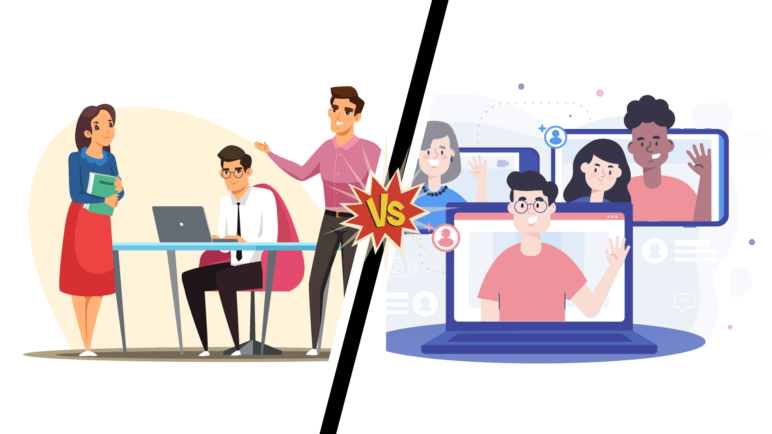
In-House Hire vs Virtual Assistant

In the journey of growing a business, the need for additional help becomes inevitable. As your operations expand, the decision to hire an employee or a virtual assistant (VA) becomes crucial. Each option comes with its own set of advantages and drawbacks, and making the wrong choice can have significant implications for your business in terms of time, money, and energy. In this article, we’ll delve into the pros and cons of both employed assistants and virtual assistants to help you make an informed decision.


Employed Assistants

Employed assistants, often referred to as in-house employees, are individuals hired by a business to work on-site and fulfill specific job roles. These professionals undergo a selection process, including interviews and assessments, to ensure they are the best fit for the tasks at hand. Employed assistants work within established office hours, allowing for direct personal interaction with their employers. This proximity enables employers to closely monitor their performance and build strong working relationships. While they offer the advantage of immediate communication and evaluation, employing them comes with higher costs, including salaries, benefits, and workspace maintenance.


Benefits of Employed Assistants

Personal Interaction and Relationship Building: Employed assistants work on-site, allowing for face-to-face interaction. This personal connection can lead to a stronger and more mutually beneficial relationship between employer and employee, fostering a productive work environment.


Ease of Monitoring and Evaluation: With employees on-site, it’s easier to track their daily, weekly, and monthly productivity. This facilitates timely feedback and enables employers to identify areas for improvement, leading to a smoother workflow.


Effective Communication: In-house employees are readily available for immediate communication. This means that any issues or errors can be addressed promptly, minimizing potential productivity loss.


Drawbacks of Employed Assistants

Higher Costs: Hiring a full-time employee involves significant expenses. Beyond the salary, employers must cover additional costs such as office supplies, equipment, workspace, benefits, and compensation.


Limited Flexibility: In-house employees may struggle to adapt to last-minute changes, as they typically follow a set routine. This can potentially lead to lower work quality in situations that demand flexibility.


Ongoing Training Expenses: Employers are responsible for providing training to enhance the skills and knowledge of their employees, incurring additional costs.


Virtual Assistants

Virtual assistants (VAs) are versatile professionals who offer remote administrative, technical, and creative support to businesses. Unlike in-house employees, VAs work from their own location and are often hired on a freelance or contract basis. They bring a diverse skill set, including expertise in areas like SEO, copywriting, digital marketing, and more. VAs provide flexible solutions, allowing businesses to hire them on a part-time, full-time, or project-based basis. This arrangement offers cost efficiency, as employers only pay for the hours worked or specific tasks completed. The global availability of VAs provides businesses with a wide talent pool to choose from.


Benefits of Virtual Assistants

Diverse Skill Sets: Virtual assistants are not limited to administrative tasks; they can excel in various domains including data entry, copywriting, digital marketing, real estate, excel, and more. This versatility allows you to find a VA with specific expertise tailored to your needs.


Cost Efficiency: Hiring a virtual assistant can be a cost-effective solution. Employers only pay for the hours worked or tasks completed, reducing overhead expenses associated with full-time employees.


Global Talent Pool: Virtual assistants can be hired from anywhere in the world, providing a wider selection of candidates. This enables businesses to find the best fit for their specific requirements.


Drawbacks of Virtual Assistants

Communication Challenges: Due to their remote work setup, maintaining constant communication with virtual assistants can be more challenging, especially in urgent situations that require immediate attention.


Potential Tracking Issues: It may be more difficult to track the working hours of virtual assistants, particularly if they are paid on an hourly basis. This can lead to uncertainties regarding productivity and billing.


Technical Difficulties: Technical issues on the VA’s end, such as internet connectivity or hardware problems, are beyond the employer’s control and can potentially hinder productivity.


Why Choose VA Over EA?

When weighing the options of an employee versus a virtual assistant, the decision ultimately depends on your business’s specific needs and circumstances. If you’re looking for a cost-effective solution with access to a diverse range of skills, hiring a virtual assistant may be the optimal choice. On the other hand, if personal interaction, on-site monitoring, and immediate communication are paramount, an in-house employee might be the better fit.

In many cases, the benefits of hiring a virtual assistant outweigh those of a full-time employee, especially for businesses with budget constraints or those seeking specialized skills for specific projects. The flexibility, cost efficiency, and global reach offered by virtual assistants make them an attractive option for many entrepreneurs and small business owners.


Final Thoughts

Choosing between a virtual assistant and an in-house hire is a significant decision that can greatly impact the trajectory of your business. Understanding the advantages and disadvantages of each option is crucial in making an informed choice. While employed assistants offer personal interaction and ease of monitoring, virtual assistants bring a diverse skill set and cost efficiency to the table. Ultimately, the right choice depends on your business’s unique needs and priorities.


Regardless of the size of the business you represent, If you’re considering hiring virtual assistants, VoxtenD is here to help. Our suite of tech services covers all aspects of virtual assistance and more, ensuring that your business gets the support it needs, no matter the size or duration of your projects. With round-the-clock availability, VoxtenD is your partner in achieving business success. Contact us today to explore how our services can benefit your business!

Top 10 Advantages & Disadvantages of Social Media

Social media has become an integral part of our daily lives, transforming the way we communicate, share information, and connect with others. Whether it’s Facebook, Twitter, Instagram, or LinkedIn, these platforms have revolutionized the landscape of communication. However, with every innovation comes a set of advantages and disadvantages. In this article, we will explore the top 10 advantages and disadvantages of social media in 2023, shedding light on the pros and cons that individuals and businesses navigate in the digital realm.


Advantages of Social Media

Useful for Educational Purposes: Social media serves as a powerful tool for educational outreach, allowing individuals and businesses to reach a vast audience. Sharing relevant information fosters knowledge dissemination, making it an effective platform for promoting brands, products, and services.


Building Your Brand: Interacting with others and sharing interesting facts about yourself contributes to building a strong online presence. Social media enables individuals and businesses to share content, gain followers, and establish trust with their audience, ultimately enhancing brand identity.


Reaching a Large Audience: The ability to connect with millions of users daily makes social media an invaluable resource for businesses seeking to expand their reach. Direct communication with customers becomes more accessible, making it an essential tool for global engagement.


Target Audiences Based on Interests: One of the significant advantages of social media marketing is the ability to target specific audiences. By tailoring content to the interests of potential customers, businesses can enhance the relevance of their marketing messages, increasing the likelihood of a positive response.


Staying Up to Date: Social media keeps users informed about industry trends, world events, and the activities of peers. Following relevant accounts and staying connected with brands and companies helps individuals and businesses stay abreast of the latest developments in their respective fields.


Connecting with New People: Social media facilitates connections between individuals who share common interests and values. These connections can evolve into valuable relationships, potentially leading to business opportunities and collaborations.


Creating Your Audiences: Even for non-business purposes, social media can be a platform to build an audience. A significant online following increases the chances of visibility, potentially leading to various opportunities for both content creators and their audiences.


Free to Use: The accessibility of social media without subscription fees makes it an attractive option for individuals and businesses alike. While there may be associated costs for account setup or maintenance, these are typically low and affordable.


Building Relationships: Beyond business connections, social media allows individuals to reconnect with old friends and maintain relationships despite geographical distances. It serves as a tool for fostering personal connections and staying in touch with loved ones.


Driving Website Traffic: Social media platforms can drive significant traffic to websites, potentially leading to increased conversions and sales. High engagement and a large audience contribute to the effectiveness of social media in directing users to external websites.


Disadvantages of Social Media

Excessive Time Consumption: The addictive nature of social media can lead to excessive time consumption, potentially detracting individuals from their studies, work, or hobbies. Balancing social media usage with other activities is crucial for maintaining productivity.


Decreased Communication Skills: Overreliance on social media can result in decreased face-to-face communication skills. The self-centered nature of online interactions may contribute to diminished empathy and increased narcissism, impacting personal relationships.


Spread of Fake News: The viral nature of fake news poses a significant challenge on social media platforms. Without critical thinking skills, users may fall victim to misinformation, affecting their perceptions of events and individuals.


Sleep Disturbances: Studies indicate that prolonged use of social media, especially before bedtime, can contribute to sleep disturbances and insomnia. The constant stimulation from online interactions may interfere with healthy sleep patterns.


Inappropriate Content for Children: Parents may struggle to monitor and regulate the content their children encounter on social media. Inappropriate content can expose young users to potentially dangerous situations, necessitating increased vigilance from guardians.


Rise in Cyber Attacks: With the prevalence of social media usage, cyber attacks have become more common. Users must take measures to protect themselves, such as using secure passwords and avoiding public Wi-Fi hotspots to mitigate potential threats.


Impact on Confidence Levels: Individuals lacking confidence in their abilities may experience feelings of inferiority when exposed to social media. This phenomenon can contribute to low self-esteem and even depression in extreme cases.


Fear of Missing Out (FOMO): Constantly checking for updates on social media can lead to anxiety and stress, especially when users perceive they are missing out on important events or social activities. Balancing online and offline life is crucial to mitigating FOMO.


Privacy Concerns: The inherently public nature of social media raises concerns about privacy. Users may find their content accessible to anyone without prior notice or permission, potentially compromising personal information.


Association with Depression: Excessive time spent on social media can contribute to feelings of isolation and inadequacy, potentially leading to depression. Establishing connections and sharing experiences within online communities can mitigate this risk.


Social Media Marketing for Your Business

Increased Reach to Potential Customers: Social media platforms provide businesses with the means to reach a broader audience compared to traditional advertising methods. This increased reach can translate into higher conversion rates and expanded customer bases.


Greater Customer Engagement: Active engagement with customers on social media platforms fosters stronger relationships and increased loyalty. Direct interaction with consumers can lead to heightened brand affinity and, consequently, higher sales.


Increased Brand Awareness: Social media’s emphasis on information sharing makes it an effective tool for brand promotion. Consistent and strategic use of these platforms ensures that a company’s name and logo are seen by a wide audience, enhancing brand recognition.


Improved Public Relations: Addressing criticism and responding to comments allows businesses to build goodwill among consumers. Social media provides a platform for storytelling, enabling companies to engage customers emotionally and encourage specific actions, such as signing up for newsletters or making purchases.


Final Thoughts

In conclusion, the advantages and disadvantages of social media present a complex landscape that individuals and businesses must navigate. The benefits of reaching a large audience, building brand identity, and facilitating communication come hand in hand with challenges like fake news, privacy concerns, and potential negative impacts on mental health. Striking a balance and adopting a strategic approach, especially in the realm of social media marketing, can help harness the positives while mitigating the negatives. As we continue to embrace the digital era, understanding the nuanced nature of social media’s benefits and drawbacks becomes paramount for informed and responsible usage.

What is Live Chat? How Can it Benefit Your Business?

In today’s fast-paced digital landscape, providing immediate and efficient customer support is paramount for businesses. This is where live chat support steps in. It has become a pivotal tool in enhancing customer experience and boosting operational efficiency. In this article, we’ll delve into the world of live chat, exploring its definition, benefits, and how it can revolutionize your business. Let’s embark on this journey to discover the immense potential of live chat support.


What is Live Chat?

Live chat is a dynamic tool that connects customers with real human support representatives in real-time. Unlike conventional support channels like email or phone, live chat allows users to get immediate answers to their queries. This swift response time is a crucial aspect of why customers increasingly prefer live chat over other forms of support.

The essence of live chat lies in its immediacy. It bridges the gap between customers and support teams, ensuring that no query goes unanswered for long periods. This is a significant departure from email support, where response times are less predictable.


How Can Live Chat Benefit Your Business?

Enhancing the Support Experience: The foremost benefit of live chat is its ability to provide customers with instant solutions. This immediacy results in higher customer satisfaction rates compared to other support channels. The efficiency of live chat in addressing concerns promptly cannot be overstated, making it a game-changer for businesses aiming to elevate their support experience.

Boosting Agent Productivity: Live chat empowers support agents to multitask effectively. Unlike phone support, where agents handle one call at a time, live chat enables them to manage multiple conversations simultaneously. This not only increases their productivity but also ensures that customers don’t experience long wait times.

Building Customer Relationships: Through live chat, agents can establish a more personalized connection with customers. They can adapt their communication style to align with the customer’s tone and sentiment, fostering a sense of trust and reliability. This human touch sets live chat apart from other support channels and can significantly impact customer loyalty.

Reducing Repetition: No one enjoys the frustration of having to explain an issue repeatedly. With live chat, support agents can access a customer’s support history and product information instantly. This means that customers don’t need to reiterate their problems, resulting in a smoother and more efficient support process.

Enabling 24/7 Support: Live chat can be scheduled to be available round-the-clock. This ensures that customers in different time zones or with urgent inquiries can always reach out for assistance. Even when live chat isn’t available, a well-structured knowledge base can serve as a valuable self-service resource.

Increasing Customer Engagement: By offering live chat, businesses can expect an uptick in customer interactions. This not only translates to more opportunities for problem-solving but also presents a chance to make a positive impression. Moreover, displaying agent names and photos humanizes the interaction, making customers feel more connected.

Gaining a Competitive Edge: If your competitors aren’t offering live chat or aren’t doing it effectively, this presents an opportunity for your business to excel. Providing superior live chat support can be a significant differentiator in a crowded market. Customers are more likely to choose a company that offers easily accessible support through live chat.

Informing Product Decisions: Live chat data is a treasure trove of valuable insights. By analyzing customer interactions, businesses can identify recurring issues, gather feedback, and spot areas where product improvements are needed. This data-driven approach can inform not only support strategies but also product development and marketing efforts.

Amplifying Customer Feedback: Live chat serves as a direct conduit for gathering valuable customer feedback. Through real-time conversations, businesses can gain insights into customer preferences, pain points, and suggestions for improvement. This firsthand feedback loop can be invaluable in refining products, services, and overall customer experience. 

Streamlining Support Operations: The streamlined nature of live chat can significantly optimize support operations. With the ability to handle multiple inquiries simultaneously, agents can resolve issues more efficiently. Additionally, the availability of canned responses and knowledge base integration enables quick and consistent support delivery. 

Demonstrating Technological Prowess: Embracing live chat demonstrates a company’s commitment to leveraging cutting-edge technology for customer satisfaction. It portrays a forward-thinking approach, signaling to customers that the business is adept at utilizing modern tools to enhance their experience. 

Incorporating live chat support into your business strategy can yield a multitude of benefits, ultimately driving growth and customer loyalty. Its multifaceted advantages extend beyond immediate query resolution, making it a strategic asset for any forward-looking enterprise. Embrace the power of live chat and witness its transformative impact on your business landscape.


Tips to Choose the Best Live Chat Support Service

Selecting the right live chat support service is crucial for reaping the full benefits of this powerful tool. Here are some key considerations:

Customization and Integration: Ensure the live chat software can be tailored to match your brand’s identity and seamlessly integrate with your existing systems.

Agent Training and Support: Provide comprehensive training to support agents to maximize their effectiveness in using live chat.

Analytics and Reporting: Look for a service that offers robust analytics to track performance metrics and gather customer insights.

Mobile Compatibility: Confirm that the live chat solution is mobile-friendly to cater to the growing number of users on mobile devices.

Security and Compliance: Prioritize a service that complies with industry-standard security protocols to protect sensitive customer data.


Final Thoughts

In the realm of customer support, live chat has emerged as a beacon of efficiency and customer-centricity. Its benefits extend far beyond mere convenience. Live chat support enhances the overall customer experience, boosts agent productivity, and informs critical business decisions. In today’s competitive landscape, adopting live chat is not just an option, but a strategic imperative. When it comes to choosing a live chat support service, VoxtenD stands out as a stellar option. With its customizable features, robust analytics, and commitment to security, VoxtenD empowers businesses to provide top-notch support through live chat. Embrace the future of customer service with VoxtenD and elevate your business to new heights. Remember, in the age of instant gratification, live chat support is not just a feature – it’s a competitive advantage. Embrace it, and watch your business flourish.