

WooCommerce vs Shopify: Which One to Choose in 2024?

In eCommerce, choosing the right platform is crucial for the success of your online store. WooCommerce and Shopify stand out as two of the most popular solutions, each with its unique features and advantages. As we navigate the e-commerce landscape in 2024, the choice between WooCommerce and Shopify ultimately depends on your business priorities and preferences. Whether you opt for the unparalleled customization of WooCommerce or the streamlined solutions of Shopify, both platforms offer robust solutions for the diverse needs of online businesses in 2024. As we step into 2024, let’s make a comprehensive comparison to help you decide which platform suits your business needs.


WooCommerce: Unleashing the Power of Customization

WooCommerce, seamlessly integrated with WordPress, offers unparalleled flexibility and control over your online store. For those with a penchant for personalization, WooCommerce emerges as the go-to platform. With over 58,000 plugins available, customization options are virtually limitless, enabling you to create a unique storefront tailored to your specific requirements.


Key Features of WooCommerce

Built-in Blogging: Leverage the power of content marketing with WooCommerce’s built-in blogging feature, allowing you to engage your audience and enhance your store’s SEO.


Unrestricted Customization: Take charge of your store’s appearance by editing everything from the homepage layout to the ‘Buy’ button. This feature is a game-changer for those who want a truly distinctive online presence.


Multichannel Selling: While WooCommerce enables integration with major platforms like Amazon, eBay, and Instagram, it’s noteworthy that some integrations may incur additional costs.


Payment Options and Transaction Fees: WooCommerce shines in this department, particularly for businesses selling in volume. The absence of transaction fees (except for bank and payment provider charges) positions WooCommerce as a cost-effective choice.


SEO Prowess: WooCommerce’s integration with WordPress, coupled with an extensive range of SEO plugins, makes it an SEO-friendly option. Customizable URLs, detailed meta descriptions, and SEO guides contribute to better visibility on search engines.


Easy Migrations: WooCommerce is appealing to those seeking payment options without additional fees. The platform’s scalability and cost-effectiveness can play a crucial role in migrations from platforms such as Squarespace.


Shopify: Streamlined Solutions for Seamless Selling

Shopify, a hosted eCommerce solution, stands out for its simplicity and user-friendly interface. The platform is an excellent choice for those looking to get their store up and running quickly, with minimal technical know-how required. Let’s explore the key features that make Shopify a leading contender.


Key Features of Shopify

Sales Feature Supremacy: Shopify boasts an impressive array of built-in sales tools, earning it a near-perfect score for sales features. From abandoned cart recovery to multichannel selling, Shopify ensures your store is equipped with essential tools right from the start.


Shipping Excellence: Offering a seamless shipping experience is vital for brand reputation. Shopify’s partnerships with major courier services like USPS, DHL Express, UPS, and Canada Post streamline the shipping process, saving you time and effort.


Payment Options and Transaction Fees: While Shopify offers a range of payment gateways, it’s essential to note the transaction fees associated, especially when using third-party gateways. However, the convenience of Shopify Payments, the platform’s native option, provides an avenue to reduce or eliminate these fees.


Marketing Mastery: Shopify excels in marketing by a high margin. Multichannel selling and integrations with social media platforms such as Facebook, Instagram, Pinterest, and more make it an ideal choice for businesses aiming to expand their reach seamlessly.


Simplicity: Shopify’s ease of use and the abundance of features available from the moment of sign-up make it a standout eCommerce platform. For non-developers, the simplicity of website building on Shopify has been invaluable over the years.


WooCommerce vs Shopify 

Sales Features: Shopify emerges as the winner in the sales features category, with a comprehensive set of tools that contribute to a near-perfect score. Abandoned cart recovery, multichannel selling, and seamless shipping options position Shopify as the top choice for businesses prioritizing sales efficiency.


Payment Options & Transaction Fees: WooCommerce takes the lead in this category, particularly for businesses selling in volume. The absence of transaction fees (except for external charges) makes WooCommerce a cost-effective option. However, businesses willing to leverage Shopify Payments can minimize transaction fees, leveling the playing field.


SEO: Both platforms offer robust SEO capabilities, but WooCommerce gains an edge with its integration with WordPress and a wide range of SEO plugins. Customizable URLs, meta descriptions, and SEO guides make WooCommerce an ideal choice for those prioritizing search engine visibility.


Marketing Features: Shopify secures the victory in marketing features. Multichannel selling, email marketing, and social media integrations make Shopify a powerful tool for businesses aiming to expand their online presence seamlessly.


Apps & Plugins: WooCommerce surpasses Shopify in the realm of apps and plugins, leveraging its open-source nature. With over 58,000 plugins available, WooCommerce provides unmatched flexibility for businesses seeking tailored solutions. However, Shopify’s 1,200 professional apps in its App Store cater to essential needs without requiring coding expertise.


Help and Support: Shopify takes the lead in help and support, offering 24/7 assistance through phone, live chat, social media, and advanced specialist support. While WooCommerce, powered by Bluehost, provides excellent support, Shopify’s diverse support channels and advanced features contribute to its advantage.


Security: Shopify takes the crown for security, providing a hosted solution with built-in SSL and PCI-DSS compliance. WooCommerce, as a self-hosted platform, requires users to handle security measures independently.


Final Thoughts

WooCommerce stands out for its customization prowess and cost-effectiveness, making it ideal for those seeking full control and scalability. On the other hand, Shopify excels in user-friendliness, sales features, and marketing tools, making it the preferred choice for businesses aiming for a quick and efficient online presence. Before deciding between the two, consider your specific requirements, technical expertise, and long-term business goals. With a plethora of features and advancements on both sides, your eCommerce journey awaits exciting possibilities in the year 2024.


Regardless of the size of the business you represent, If you’re considering venturing into eCommerce, VoxtenD is here to help. Our suite of tech services covers all aspects of online marketplaces and beyond, ensuring that your business gets the help it needs, no matter the size or needs of your business. With round-the-clock availability, VoxtenD is your partner in achieving business success. Contact us today to explore how our services can benefit your business.

What is a Digital Footprint?

Our online activities create a trail of data that forms what is commonly known as a “Digital Footprint” or, sometimes, a “Digital Shadow.” This virtual breadcrumb trail is the result of almost every action we take on the internet, leaving a permanent mark that has implications for individuals and businesses alike. Here, we will learn about the concept of the digital footprint, its types, consequences, and other things to know about managing your online presence.


Understanding the Digital Footprint

A digital footprint encompasses the body of data that an individual intentionally or unintentionally creates through their online interactions. This trail of data is visible to a range of entities, including data brokers, advertisers, employers, cybercriminals, and even peers. This wealth of information is often relatively permanent, making digital footprint management crucial for maintaining control over personal and professional online identities.


Consequences of a Digital Footprint

Digital footprints expose individuals to a variety of consequences, both positive and negative. On the positive side, a visible online identity facilitates access control, allowing users to utilize various applications and services with the information they provide. However, the negative consequences can be significant, affecting one’s online reputation, exposing them to targeted advertising, and even making them vulnerable to hacking and cyber threats.


Online Reputation and Visibility: One of the key aspects influenced by a digital footprint is online reputation. The information we post, our interactions, and the content we engage with all contribute to shaping how others perceive us. Employers, for instance, often scrutinize digital footprints during the hiring process. A derisive social media post or an inappropriate online presence can lead to unfavorable judgments and impact professional opportunities.


Targeted Advertising and Behavioral Targeting: Marketers leverage digital footprints for targeted advertising, creating personalized experiences for users based on their online behavior. Insights derived from digital footprints help advertisers understand preferences, enabling them to tailor advertisements to specific individuals. This approach, known as behavioral targeting, relies on the inferences drawn from users’ digital footprints to deliver relevant content.


Hacking and Identity Theft: Digital footprints also pose security risks, with hackers exploiting the information available to conduct identity theft or launch cyber attacks. Exposed usernames, passwords, and other personal details can be used for unauthorized access, emphasizing the importance of safeguarding digital identities. Individuals and companies must be vigilant to protect against potential breaches stemming from an expansive digital footprint.


Types of Digital Footprints

Digital footprints can be categorized into two types: active and passive. Active digital footprints consist of data intentionally left by users, such as social media posts or phone calls. On the other hand, passive digital footprints are composed of unintentional data traces resulting from activities like website visits, searches, and online purchases. The distinction between the two is vital for understanding and managing one’s digital presence effectively.


Examples of Digital Footprint Data

Virtually any data associated with a person’s identity can contribute to their digital footprint. From biometric data and geolocation information to passwords, social posts, and search history, the range is extensive. Understanding the diversity of data that forms a digital footprint is essential for individuals seeking to manage and control their online presence.


How to Reduce Your Digital Footprint?

Given the potential risks associated with an extensive digital footprint, it becomes imperative to manage and, if necessary, reduce it. Several strategies can help individuals mitigate the impact of their digital presence:


  • Check Your Footprint Online: Regularly search for your name on search engines and tools like “Have I Been Pwned” to assess the visibility of sensitive information.


  • Delete Old Accounts: Eliminate old or unused social media accounts that may contain outdated or irrelevant information.


  • Share Only What’s Necessary: Avoid oversharing on social media platforms, as even seemingly private posts can contribute to your digital footprint.


  • Use a VPN: Employ a Virtual Private Network (VPN) to mask your IP address and enhance online privacy.


  • Visit Secure Websites: Prioritize websites with encryption (https://) for secure browsing and added online safety.


  • Adjust Privacy Settings: Review and adjust privacy settings on applications to control the amount of information shared.


  • Compartmentalize Accounts: Maintain a separation between personal and professional online accounts to manage visibility.


  • Practice Cyber Hygiene: Stay informed about common phishing and malware threats, and regularly clean up and back up data to avoid breaches.


Background Checking Tools for Employers

Employers can utilize various tools to conduct background checks on potential hires, tapping into open-source intelligence (OSINT). Tools like MOSINT, Nexfil, and Maigret enable companies to gather information about email addresses, usernames, and associated online profiles, aiding in the evaluation of candidates.


Final Thoughts

As we navigate the digital landscape, our online actions leave a lasting imprint that extends beyond our immediate awareness. A proactive approach to managing our digital footprint is crucial for safeguarding personal and professional interests. By understanding the consequences, being aware of the types of data involved, and implementing strategies to reduce and control our digital presence, we can shape a positive online identity and mitigate potential risks associated with our digital footprint. In a world where our virtual and physical lives are increasingly interconnected, mastering the art of managing our digital footprint becomes not just a choice but a necessity for a secure and thriving online existence.

Regardless of the size of the business you represent, If you’re considering managing your digital footprint, VoxtenD is here to help. Our suite of tech services covers all aspects of cybersecurity and more, ensuring that your business gets the help it needs, no matter the size or needs of your business. With round-the-clock availability, VoxtenD is your partner in achieving business success. Contact us today to explore how our services can benefit your business.
What is SEO?

In the vast landscape of the internet, standing out can be a daunting task. As technology advances and search engines become more sophisticated, staying informed and adapting to changes will remain critical for success in the digital realm. Whether you are a business owner, a content creator, or an aspiring blogger, getting noticed online is essential for success. This is where Search Engine Optimization (SEO) comes into play. SEO is a set of strategies and techniques designed to improve a website’s visibility on search engines like Google. SEO is not just about ranking higher on search engines; it’s about creating a seamless, valuable, and user-friendly experience that resonates with both search engines and your target audience. In this comprehensive guide, we will learn about the history of SEO, its benefits, the intricacies of the Google algorithm, and why mastering SEO is crucial in the digital age.


History of SEO

The history of SEO can be traced back to the early days of the internet. In the 1990s, as the World Wide Web started to gain popularity, website owners realized the need to make their sites more visible. This led to the birth of the first search engines, and with them, the concept of optimizing websites for better rankings.

The early stages of SEO were relatively simple compared to today’s standards. Website owners would stuff their content with keywords, hoping to trick search engines into ranking them higher. However, as search engines evolved, so did the need for more sophisticated SEO techniques.

Throughout the years, major search engines like Google refined their algorithms to provide users with the most relevant and high-quality results. This evolution forced SEO professionals to adapt continually, focusing on user experience, content quality, and ethical practices.


Benefits of SEO

Investing in SEO offers a plethora of benefits for individuals and businesses alike. Let’s explore some of the key advantages:

  • Increased Visibility: The primary goal of SEO is to improve a website’s visibility on search engines. By optimizing your site, you increase the likelihood of appearing on the first page of search results, making it easier for users to find you.
  • Traffic Growth: Higher visibility leads to increased organic traffic. Users are more likely to click on one of the top results, resulting in a steady stream of visitors to your site.
  • Credibility and Trust: Websites that appear at the top of search results are often perceived as more trustworthy and credible by users. SEO helps build authority, establishing your site as a valuable resource in your niche.
  • Better User Experience: SEO involves optimizing the structure and content of a website to enhance user experience. A well-optimized site is more user-friendly, leading to increased satisfaction and engagement.
  • Cost-Effectiveness: Compared to traditional advertising, SEO is a cost-effective way to attract organic traffic. Once your site ranks well, the ongoing maintenance costs are relatively low.
  • Competitive Advantage: In today’s competitive online landscape, SEO can provide a significant edge. Outranking competitors in search results can result in more customers and increased market share.


Differentiating SEO from SEM & PPC


Before delving deeper into the intricacies of SEO, it’s essential to distinguish it from other digital marketing strategies, namely Search Engine Marketing (SEM) and Pay-Per-Click (PPC) advertising. Understanding the distinction between SEO, SEM, and PPC is crucial for developing a comprehensive digital marketing strategy. While SEM encompasses both SEO and PPC activities aimed at maximizing visibility on search engine results pages (SERPs), each component serves distinct purposes within the broader marketing landscape.


While SEM encompasses both SEO and PPC activities aimed at enhancing visibility through organic and paid search efforts, SEO specifically focuses on optimizing websites to drive organic traffic from search engines. SEO, or Search Engine Optimization, focuses on optimizing websites to drive organic traffic from search engines. It involves refining various on-page and off-page elements to improve a website’s ranking on SERPs and attract relevant visitors over the long term. SEO offers sustainable benefits by enhancing a website’s authority and credibility, thereby driving organic traffic and establishing a strong online presence.


In contrast, PPC advertising involves paying for ad placements on search engine results pages, with advertisers charged based on the number of clicks their ads receive. While both PPC and SEO are integral components of a comprehensive digital marketing strategy, SEO offers the long-term benefits of sustainable organic traffic growth, whereas PPC provides immediate visibility through paid placements. Advertisers bid on specific keywords or phrases, and their ads appear prominently when users search for those terms. Unlike SEO, which relies on organic rankings, PPC provides immediate visibility through paid placements, allowing businesses to target specific keywords and reach potential customers quickly. However, PPC incurs costs for each click, making it more suitable for short-term campaigns or specific promotional activities.


While SEO and PPC serve distinct purposes within the digital marketing ecosystem, they often complement each other when integrated into a cohesive strategy. By leveraging both organic and paid search efforts, businesses can maximize their online visibility, reach a broader audience, and drive sustainable growth over time.


Types of SEO

Within the realm of SEO, various types and specializations cater to different aspects of website optimization. These include Technical SEO, On-site SEO, and Off-site SEO, each playing a crucial role in enhancing a website’s visibility and search engine rankings. Delving deeper into the realm of SEO, it’s crucial to understand the nuances of each specialization and how they contribute to overall optimization efforts. 


Technical SEO: Technical SEO encompasses optimizations geared towards improving the technical infrastructure of a website, ensuring it is easily crawlable and indexable by search engine bots. This involves optimizing elements such as website architecture, URL structure, site speed, and mobile-friendliness, among others. Technical SEO, with its focus on the technical infrastructure of a website, lays the groundwork for effective optimization by ensuring that search engines can crawl, index, and understand the content.


Optimizing technical elements such as URL structures, navigation, internal linking, and website speed is essential for enhancing user experience and signaling relevance to search engines. Moreover, adherence to best practices such as implementing structured data markup and ensuring mobile-friendliness further solidifies a website’s technical foundation and improves its visibility on SERPs.


On-site SEO: On-site SEO focuses on optimizing the content and on-page elements of a website to enhance its relevance and visibility in search results. This includes keyword optimization, meta tags, header tags, image optimization, and creating high-quality, informative content that resonates with both users and search engines. On-site SEO revolves around optimizing the content and on-page elements of a website to align with user intent and search engine algorithms. Keyword optimization, meta tags, header tags, and high-quality content creation are key components of on-site optimization, enabling websites to rank prominently for relevant search queries and attract organic traffic.


Off-site SEO: Off-site SEO, meanwhile, focuses on building external signals that bolster a website’s authority and credibility in the eyes of search engines. This often entails link building, brand building, content marketing, social media optimization, and reputation management strategies aimed at bolstering a website’s presence across the web. Link building, brand building, content marketing, and social media optimization strategies play crucial roles in off-site optimization, helping websites earn valuable backlinks, enhance brand visibility, and establish industry expertise.


By incorporating various types of SEO into their digital marketing strategies, businesses can address different facets of website optimization and maximize their chances of success in the competitive online landscape. By combining technical, on-site, and off-site SEO strategies, businesses can create a comprehensive optimization framework that addresses all aspects of website visibility and search engine rankings. This holistic approach not only improves organic traffic and user engagement but also strengthens a website’s overall online presence and competitiveness.


How does SEO work?


At its core, SEO operates on the premise of understanding and leveraging search engine algorithms to maximize website visibility and attract relevant traffic. Search engines like Google employ complex algorithms that analyze various factors to determine the relevance, authority, and quality of web pages in response to user queries.


The SEO process begins with understanding how search engines work, including their crawling, rendering, indexing, and ranking mechanisms. By comprehending these processes, businesses can optimize their websites to ensure they are easily discoverable, understandable, and relevant to search engine algorithms.


Keyword research plays a pivotal role in SEO, as it enables businesses to identify the terms and phrases that their target audience uses when searching for products, services, or information online. By incorporating these keywords strategically into website content, meta tags, and other on-page elements, businesses can improve their chances of ranking prominently for relevant search queries.


SEO involves ongoing monitoring, analysis, and optimization to adapt to evolving search engine algorithms and user behaviors. By measuring performance metrics, identifying areas for improvement, and making data-driven adjustments, businesses can continuously refine their SEO strategies to maintain and enhance their online visibility.


SEO is a dynamic and iterative process that requires ongoing attention and adaptation to keep pace with the ever-changing digital landscape. By staying informed about industry trends, best practices, and algorithm updates, businesses can navigate the complexities of SEO and unlock their full potential to drive organic traffic and achieve online success.


The Google Algorithm

Google, being the dominant search engine, plays a pivotal role in the world of SEO. The search giant uses a complex algorithm to determine the ranking of websites based on various factors. While Google’s algorithm is a well-guarded secret, some key elements are known to influence rankings:

Keywords: Keywords are fundamental to SEO. These are the terms users enter into search engines, and optimizing your content with relevant keywords is crucial. Long-tail keywords, which are more specific phrases, are gaining importance.

Content Quality: Google prioritizes high-quality, relevant content. The days of keyword stuffing are long gone. Instead, focus on creating valuable, informative, and engaging content that satisfies user intent.

Backlinks: Backlinks, or links from other websites to yours, are a significant ranking factor. However, the emphasis is on quality over quantity. Natural, authoritative backlinks can boost your site’s credibility in the eyes of search engines.

User Experience: Google considers the overall user experience of a website. Factors like page loading speed, mobile-friendliness, and a well-organized structure contribute to a positive user experience.

Social Signals: While the direct impact of social media on SEO is debated, there is evidence that social signals, such as shares and likes, can indirectly influence rankings. A strong social media presence can contribute to brand visibility.

Technical SEO: Technical aspects, such as website speed, mobile responsiveness, and proper use of headers, play a crucial role. Google wants to deliver results that provide a seamless experience across different devices.

Understanding and staying abreast of Google’s algorithm updates is essential for effective SEO. Continuous monitoring and adaptation to algorithm changes ensure that your website remains optimized and competitive in the search results.


Final Thoughts

In the ever-evolving digital landscape, SEO is not just a buzzword but a fundamental aspect of online success. Whether you are a business owner looking to expand your online presence or a content creator aiming to reach a wider audience, mastering SEO is crucial. The history of SEO reflects its evolution from simple keyword stuffing to a multifaceted strategy focusing on user experience and content quality. The benefits of SEO, including increased visibility, traffic growth, credibility, and cost-effectiveness, make it a worthy investment for anyone with an online presence. Understanding the intricacies of the Google algorithm is key to developing effective optimization strategies.

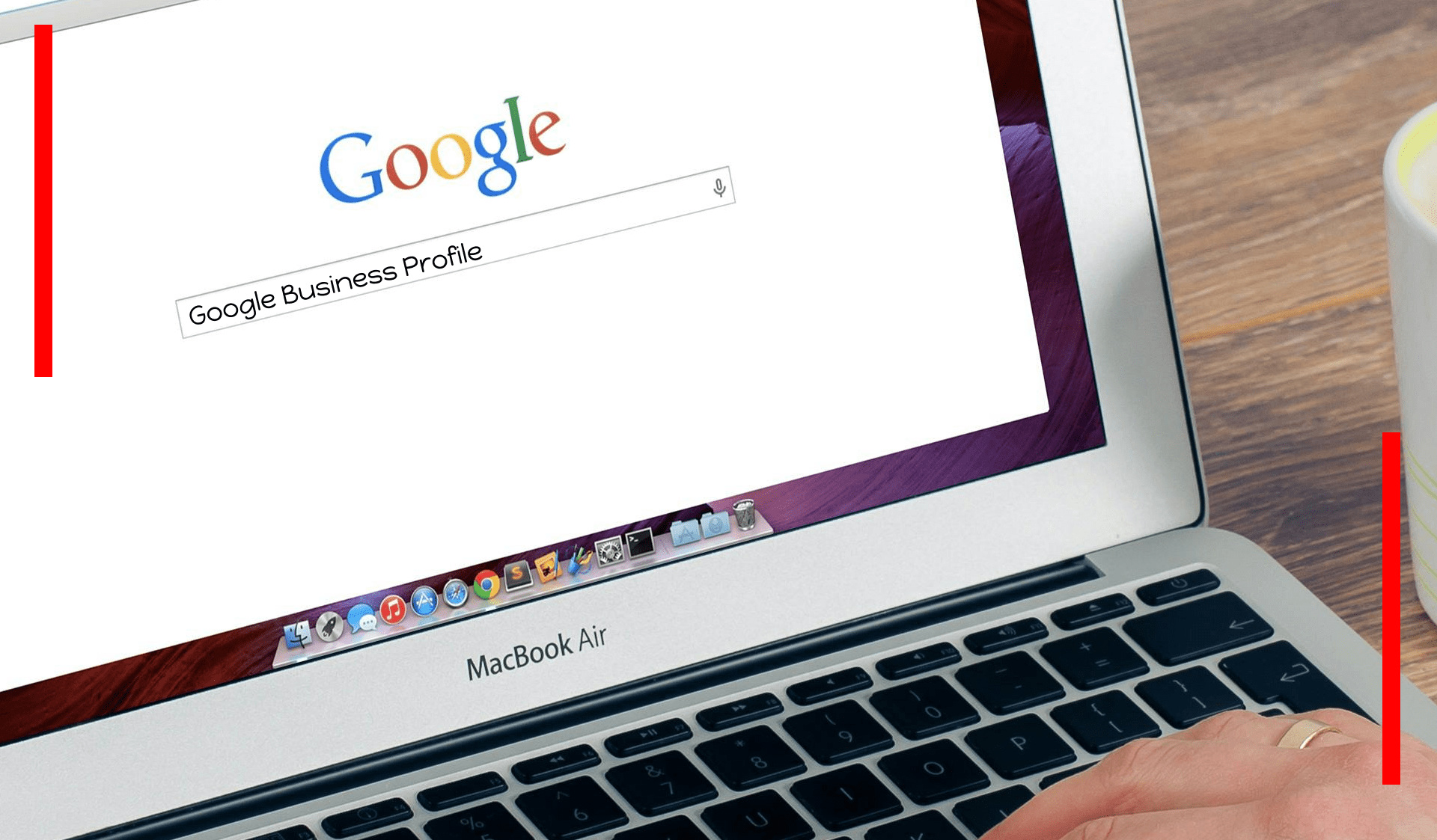
What is a Google Business Profile? Why Do We Need It?

Businesses need to harness the power of various tools to ensure they are visible and easily accessible to potential customers. One such tool that has become indispensable for local businesses is the Google Business Profile (GBP). In this article, we will explore what Google Business Profile ( previously known as Google My Business) is, its significance in the digital era, and the benefits it offers to businesses aiming to enhance their online presence and local SEO.


What is Google Business Profile?

Google Business Profile (GBP) is a free and powerful tool provided by Google that allows businesses to manage and optimize their online presence. A Google Business Profile is essentially a business listing on Google, providing key information about the business, including its name, address, phone number, website, business hours, and more.

Setting up a Google Business Profile is a straightforward process. Businesses need to claim their profile on the Google My Business platform, verify their ownership, and then proceed to provide accurate and detailed information about their products, services, and location. Once the profile is set up, it becomes a valuable asset that appears in Google Search and Google Maps.


Key features of a Google Business Profile include:

Business Information: A cornerstone of a comprehensive Google Business Profile is the meticulous display of accurate and up-to-date information related to the business. This includes, but is not limited to, the precise name of the business, its physical address, and the primary contact phone number. This detailed business information serves as the bedrock for potential customers seeking reliable and pertinent data about a particular business entity.

Business Hours: Providing meticulous details regarding the operating hours of a business is not merely a courtesy but a strategic move to enhance customer experience. By transparently conveying the specific hours during which the business is open, potential customers are empowered with the knowledge needed to plan their visit effectively. This proactive approach significantly reduces the likelihood of prospective customers arriving at the business premises only to find it closed, thereby fostering positive customer interactions.

Customer Reviews: An integral aspect of the consumer decision-making process is the availability of customer reviews and ratings. Allowing patrons to articulate their experiences through reviews and assign ratings provides invaluable insights to potential customers. These testimonials not only contribute to the establishment of trust but also play a pivotal role in influencing the decisions of prospective customers. Positive reviews serve as endorsements, while constructive criticism offers businesses opportunities for improvement.

Photos and Videos: Elevating the visual appeal of a business is achieved through the strategic showcasing of high-quality images and videos on the Google Business Profile. This multimedia content offers potential customers a dynamic and immersive visual representation of what the business has to offer. Whether it’s showcasing the ambiance of a restaurant, the craftsmanship of a product, or the professionalism of a service, compelling visuals leave a lasting impression and contribute to the overall attractiveness of the business.


Google Maps Integration: A crucial facet of enhancing the discoverability of a business lies in seamless integration with Google Maps. This integration goes beyond mere representation; it ensures that the business is easily pinpointed by potential customers conducting local searches. The visibility on Google Maps becomes instrumental in directing foot traffic to the physical location of the business, thereby solidifying its presence in the local market and amplifying its online visibility.


Benefits of Using GBP

Improved Local SEO: One of the primary reasons businesses need a Google Business Profile is to boost their local search engine optimization (SEO). When users search for products or services in their vicinity, Google uses location data to provide the most relevant results. By having a well-optimized Google Business Profile, businesses increase their chances of appearing in local search results, ultimately driving more foot traffic and online visibility.


Increased Visibility on Google Maps: With the integration of Google Maps, a Google Business Profile ensures that the business is easily discoverable by potential customers. When users search for businesses near their location on Google Maps, having a complete and accurate profile increases the likelihood of the business appearing in the search results. This increased visibility is crucial for attracting local customers.


Build Trust with Customers: Customer reviews play a significant role in establishing trust. A Google Business Profile allows customers to leave reviews and ratings based on their experiences. Positive reviews can act as powerful endorsements, influencing potential customers to choose a particular business over others. Responding to reviews, both positive and negative, also demonstrates a commitment to customer satisfaction and engagement.


Enhanced Online Presence: A well-optimized Google Business Profile contributes to a strong online presence. When users search for a business or related services, the information from the Google Business Profile appears prominently in the search results, providing users with a quick overview of the business. This online visibility is crucial for attracting new customers and staying competitive in the digital landscape.


Mobile-Friendly Accessibility: In an era where a significant portion of internet users access information through mobile devices, having a Google Business Profile ensures that businesses are easily accessible to users on the go. The integration with Google Maps further enhances this accessibility, allowing potential customers to find and navigate to the business location effortlessly.


Insights and Analytics: Google My Business provides businesses with valuable insights and analytics. Owners can track how customers find their business, where they are located, and what actions they take after finding the business listing. This data helps businesses make informed decisions to further optimize their online presence and marketing strategies.


Final Thoughts

In conclusion, a Google Business Profile is an essential tool for businesses seeking to establish a strong online presence, enhance local SEO, and connect with local customers. By providing accurate and detailed information, optimizing for local search, and actively engaging with customer reviews, businesses can leverage the power of Google Business Profile to attract new customers and build trust in their community. In the competitive digital landscape, having a well-maintained Google Business Profile is not just a recommendation; it’s a necessity for any business aiming for success in the online marketplace.


Top 5 social media platforms to promote business

Leveraging the power of social media has become indispensable for businesses seeking to establish a robust online presence and connect with their target audience. The realm of social media provides a ground for cultivating brand awareness, engaging with customers, and driving business growth. With a multitude of platforms available, each catering to distinct demographics and interests, choosing the right ones for your business is crucial. In this exploration, we will delve into the top five social media platforms that stand out as potent tools for promoting businesses in 2023. From those that have shaped the digital era to emerging platforms with unique features, these social media giants offer diverse avenues for businesses to amplify their reach, foster engagement, and thrive in the competitive online ecosystem. Join us on this journey as we discuss the key features and benefits of these platforms, helping you navigate the ever-evolving landscape of social media marketing.

Top 5 social media platforms

  1. Facebook

Facebook (owned by Meta) remains the undisputed leader in the world of social media. With over 2.8 billion monthly active users, it provides an extensive and diverse audience for businesses. The platform’s advertising features allow for precise targeting, ensuring that your promotional efforts reach the right demographics. With a mix of posts and paid advertising, businesses can build a strong presence on Facebook and foster meaningful connections with their audience. Facebook’s algorithm prioritizes content that sparks engagement, making it an ideal platform for creating a community around your brand. Features like Facebook Groups enable businesses to establish a direct line of communication with their audience, encouraging discussions and building a loyal customer base. Additionally, Facebook Insights provides valuable analytics, allowing businesses to fine-tune their strategies based on user behavior and preferences.


  1. Instagram

Owned by Meta, Instagram is a visually-driven platform that boasts more than one billion monthly active users. Instagram is a great platform for companies that offer visually appealing goods or services since it lets you promote your brand with photos and videos. The introduction of features like Instagram Stories and Reels provides additional avenues for creative promotion. Influencer collaborations and sponsored posts are also effective strategies for reaching a wider audience.

The visual nature of Instagram makes it an excellent platform for storytelling. Businesses can use the platform to share behind-the-scenes content, highlight their company culture, and connect with their audience on a more personal level. The use of hashtags on Instagram can significantly increase the discoverability of your content, allowing your business to tap into trending topics and reach a broader audience.


  1. LinkedIn

For businesses operating in the B2B sector or those targeting a professional audience, LinkedIn is the go-to platform. With more than 700 million users, LinkedIn provides a space for businesses to share industry insights, connect with other professionals, and establish thought leadership. The platform’s advertising options, such as sponsored content and InMail campaigns, make it an excellent choice for business-to-business marketing. LinkedIn is a platform where professionalism and credibility are paramount. Businesses can use the platform to publish long-form content, positioning themselves as industry leaders and providing valuable insights to their audience. Additionally, the ability to connect with other businesses and professionals fosters networking opportunities that can lead to strategic partnerships and collaborations.


  1. X (Twitter): 

Known for its real-time nature, X(Twitter) is a platform that thrives on instant updates and concise communication. With approximately 330 million monthly active users, businesses can leverage X to engage with their audience, participate in trending conversations, and share timely updates. The use of hashtags can amplify your reach, and X Ads offer targeted promotional opportunities. X’s fast-paced environment allows businesses to stay relevant by participating in real-time conversations. Whether it’s commenting on industry news, responding to customer inquiries, or sharing timely promotions, businesses can showcase their personality and responsiveness on X. The platform’s retweet feature enables content to quickly go viral, maximizing its visibility and impact.


  1. YouTube: 

As the second-largest search engine globally, YouTube is a powerhouse for businesses looking to capitalize on the popularity of video content. With over 2 billion logged-in monthly users, businesses can create engaging and informative videos to showcase their products or services. YouTube advertising, including TrueView ads, can help reach a broader audience and drive traffic to your website. Video content is a powerful tool for storytelling, and YouTube provides a platform for businesses to connect with their audience in a more dynamic way. Tutorials, product demonstrations, and behind-the-scenes videos can all contribute to building a strong brand identity. The platform’s analytics allow businesses to track the performance of their videos and understand viewer behavior, enabling continuous improvement of content strategies.


Final Thoughts

While these five social media platforms offer unique opportunities for business promotion, it’s essential to choose the ones that align with your target audience and business goals. An effective social media strategy involves a combination of these platforms, tailored to suit your brand’s personality and the preferences of your audience. By consistently delivering valuable content and engaging with your followers, you can build a robust online presence and take your business promotion to new heights in the digital era. As technology continues to advance, staying abreast of social media trends and adapting your strategy accordingly is key to sustained success.

The Ultimate Guide to Social Medias: Exploring the Best Social Media Platforms, Apps, and Networks for 2025
Social medias have become an integral part of our daily lives, offering a wide range of platforms of social media to connect, share, and engage. From the most popular social media platform to niche social media network sites, there’s something for everyone. Whether you’re managing social media pages for personal use or running social media platforms for business, understanding the landscape of social media apps and websites is crucial. This guide dives into the best social media sites, the largest social media platforms, and the top social media channels to help you navigate the ever-evolving world of media social app options.
When it comes to social media sites list, platforms like Facebook, Instagram, and TikTok dominate the scene. These social media websites are not only among the best social network sites but also serve as powerful tools for businesses looking to expand their reach. Social media applications list also includes emerging platforms like Threads and BeReal, which are gaining traction among younger audiences. For those managing multiple social media accounts, it’s essential to stay updated on the latest trends and features offered by these media social app options.
If you’re wondering what are the social media platforms that cater specifically to business needs, LinkedIn and Pinterest stand out. These social media platforms for business provide advanced targeting and analytics, making them ideal for marketing campaigns. Additionally, the best social media sites for brand promotion often include YouTube and X (formerly Twitter), which offer unique opportunities for video content and real-time engagement.
The largest social media platforms, such as Facebook and Instagram, continue to lead in user base and engagement. However, the best social media sites for personal use might differ, with platforms like Snapchat and TikTok appealing to younger demographics. Social media pages and social media page management have also become more sophisticated, with tools like Hootsuite and Buffer simplifying the process of scheduling and analyzing content across multiple social media channels.
In conclusion, the world of social medias is vast and ever-changing. Whether you’re exploring social media network sites for personal connections or leveraging social media platforms for business growth, staying informed about the best social media sites and apps is key. From the largest social media platforms to niche media social app options, there’s no shortage of opportunities to connect, engage, and grow in the dynamic realm of social media websites and applications.

What is Performance Marketing?

In the rapidly evolving realm of digital marketing, businesses are constantly seeking strategies that not only drive traffic but also deliver measurable and tangible results. One such potent approach that has gained significant prominence in recent years is Performance Marketing. In this comprehensive guide, we will delve deep into the intricacies of Performance Marketing, exploring its definition, how it works, the top channels it encompasses, real-world examples, and the myriad benefits it offers to businesses.


What is Performance Marketing?

Performance Marketing is a multifaceted, data-driven approach that places a paramount focus on generating measurable and quantifiable results. Unlike traditional marketing methods that rely on broad strategies with vague outcomes, Performance Marketing operates on a pay-for-performance model. In essence, advertisers only pay for specific actions or outcomes achieved through their marketing efforts, such as clicks, conversions, or leads.

This approach is inherently results-oriented, shifting the marketing paradigm from speculative endeavors to a precision-based methodology. The success of Performance Marketing campaigns is determined by tangible metrics, providing businesses with a clear understanding of their return on investment (ROI) and the overall efficacy of their marketing strategies.


How Performance Marketing Works?

At the core of Performance Marketing lies a data-driven and highly targeted methodology that is designed to maximize efficiency and effectiveness. The following important stages are usually involved in the process:

  1. Define Objectives:

The first step in any Performance Marketing campaign is to clearly outline the goals and objectives. Whether the aim is to drive website traffic, increase sales, or generate leads, a well-defined set of objectives serves as the foundation for the entire marketing strategy.


  1. Identify Target Audience:

Utilizing data and analytics, marketers can identify and understand their target audience with unprecedented precision. This enables highly targeted and personalized marketing efforts, ensuring that resources are directed toward those most likely to engage and convert.


  1. Select Relevant Channels:

Choosing the most effective and relevant marketing channels is crucial for the success of a Performance Marketing campaign. This could include a mix of search engine marketing (SEM), social media advertising, email marketing, affiliate marketing, and more, depending on the nature of the campaign and the preferences of the target audience.


  1. Implement Tracking and Analytics:

Integration of robust tracking mechanisms is essential for monitoring and measuring the performance of the campaign in real-time. This data-driven approach allows marketers to make informed decisions and quick adjustments based on the evolving dynamics of the campaign.


  1. Optimize and Refine:

Performance Marketing is an iterative process that involves continuous analysis of performance data. Marketers must be proactive in making data-driven adjustments to optimize the campaign for better results. This constant refinement ensures that resources are allocated efficiently and that the campaign remains aligned with its objectives.


Top Performance Marketing Channels:

Performance Marketing leverages a variety of channels to reach its audience effectively. Let’s explore some of the most impactful channels in the realm of Performance Marketing:

  1. Search Engine Marketing (SEM):

Search Engine Marketing involves utilizing paid search advertising on platforms such as Google Ads to ensure a business’s products or services appear prominently in search engine results. Advertisers pay for clicks on their ads, making SEM a highly targeted and measurable channel.


  1. Social Media Advertising:

Social media platforms like Facebook, Instagram, Twitter, and LinkedIn have become integral components of Performance Marketing strategies. Advertisers can create highly targeted ads, reaching specific demographics based on user data. Payment models can include pay-per-click (PPC), pay-per-impression (PPI), or pay-per-action (PPA), depending on campaign goals.


  1. Affiliate Marketing:

Affiliate Marketing is a collaborative effort where businesses partner with affiliates who earn a commission for driving traffic or sales to the advertiser’s website. This performance-based model ensures that affiliates are incentivized to deliver results, aligning their interests with the goals of the business.


  1. Email Marketing:

Email Marketing remains a potent tool in the Performance Marketing arsenal. Marketers can send targeted and personalized emails to a segmented audience, encouraging specific actions such as making a purchase, signing up for a newsletter, or visiting a website.


  1. Content Marketing:

Creating informative and engaging content that draws in and connects the target audience is known as content marketing. 

While content creation is often considered a broader strategy, its integration into Performance Marketing ensures that the content serves specific purposes, driving the audience towards desired actions.


Performance Marketing Examples:

To provide a concrete understanding of the effectiveness of Performance Marketing, let’s explore a few real-world examples:

  1. Amazon Associates Program:

Amazon’s Affiliate Marketing program, known as the Amazon Associates Program, is a quintessential example of Performance Marketing. Affiliates, ranging from individual bloggers to large media companies, earn commissions for driving sales to Amazon through their referral links. The program’s success is rooted in the pay-for-performance model, where affiliates are compensated based on the actual sales they generate.


  1. Google Ads:

Google Ads, Google’s online advertising platform, operates on a pay-per-click (PPC) model. When searchers enter specific keywords, advertisers bid on those terms, and their ads show up first in the search results. Advertisers only pay when users click on their ads, making it a highly measurable and cost-effective channel.


  1. Meta Ads:

Meta Ads (Facebook ads) provide businesses with a powerful platform to create highly targeted advertisements. Advertisers can define specific parameters, such as demographics, interests, and behaviors, ensuring that their ads reach the most relevant audience. Payments can be based on clicks, impressions, or desired actions, making it a versatile and results-oriented channel.


Benefits of Performance Marketing:

The adoption of Performance Marketing offers a plethora of advantages for businesses seeking efficient and impactful marketing strategies:

  1. Measurable ROI:

Performance Marketing stands out for its ability to deliver a measurable return on investment (ROI). By tying marketing efforts directly to specific outcomes and actions, businesses can quantify the success of their campaigns and make informed decisions about resource allocation.


  1. Cost-Efficiency:

The pay-for-performance model inherent in Performance Marketing makes it a cost-effective approach. Businesses only pay when desired actions are achieved, eliminating wasted resources on impressions or clicks that do not result in meaningful engagement.


  1. Targeted Advertising:

One of the key strengths of Performance Marketing is its ability to facilitate targeted advertising. Through data analysis and segmentation, marketers can tailor their messages to specific demographics, ensuring that marketing efforts resonate with the right audience.


  1. Real-Time Optimization:

The dynamic nature of digital marketing requires agility and adaptability. Performance Marketing excels in this regard, allowing marketers to make real-time adjustments based on the evolving dynamics of a campaign. This iterative process ensures that strategies remain effective and aligned with campaign objectives.


  1. Data-Driven Decision Making:

Performance Marketing is intrinsically tied to data and analytics. Marketers can leverage this wealth of information to make informed decisions, refine strategies, and optimize campaigns for maximum impact. This data-driven approach enhances the overall effectiveness of marketing efforts.


Conclusion:

In conclusion, Performance Marketing stands as a powerful and adaptive strategy in the ever-evolving landscape of digital marketing. Its focus on measurable outcomes, targeted approaches, and data-driven decision-making make it an indispensable tool for businesses aiming not just for visibility but for tangible and quantifiable success.


By understanding and harnessing the potential of Performance Marketing, businesses can position themselves strategically in the competitive online landscape. The shift towards a results-oriented marketing paradigm ensures that marketing efforts are not only seen but also directly contribute to the bottom line. As businesses continue to navigate the digital terrain, the adoption of Performance Marketing emerges as a crucial element in their arsenal, empowering them to thrive in an era where data, precision, and measurable results reign supreme.

What Is GitHub? A Beginner’s Guide

In the collaborative world of software development, mastering the tools that facilitate efficient collaboration and code management is crucial. GitHub, often considered the social network for developers, is one such tool that has become an integral part of the developer toolkit. If you’re new to the programming world, this beginner’s guide aims to explain GitHub, covering its role in version control and providing a step-by-step introduction to help you get started.


What Is Version Control?

Version control is similar to a time machine for your code. It’s a systematic way to manage and track changes in source code over time. This process allows developers to collaborate seamlessly, track changes effectively, and revert to previous states when necessary.


What is GitHub?

Git is a distributed version control system, and it serves as the foundation for the web platform GitHub. It extends Git’s capabilities, offering a collaborative environment where teams can work on projects, manage code repositories, and track changes efficiently. GitHub has evolved into a hub for developers, providing not only version control but also a range of collaborative tools.


How does GitHub work?

GitHub operates on the principles of Git, which was created by Linus Torvalds. Developers contribute to projects by creating a local copy (clone) of a repository, making changes, and then pushing those changes back to the central repository hosted on GitHub. The platform facilitates collaboration through branches, enabling developers to work on different features simultaneously without interfering with the main codebase.


What is Git?

Git, at its core, is a distributed version control system designed for speed and efficiency. Git allows developers to track changes, revert to previous stages, and work on projects offline. Git operates on a branching system, enabling multiple developers to work on various features concurrently, with the ability to merge changes seamlessly.

Git vs Gitub

While Git is the version control system powering it, GitHub provides a user-friendly interface to explore what GitHub is, how GitHub works, and why use GitHub for collaborative coding projects.


What is GitHub used for?

GitHub serves as a central hub for developers, offering a variety of functionalities:


  1. Code Hosting:

GitHub provides a platform for hosting and sharing code repositories. Developers can collaborate on open-source projects or manage private repositories for code.


  1. Collaboration:

Through features like pull requests and issues, GitHub fosters collaboration. Developers can propose changes, review code, and discuss enhancements, creating a transparent and collaborative environment.


  1. Documentation:

GitHub’s wiki and README.md files allow developers to document their projects effectively. This documentation is crucial for onboarding new contributors and users.


  1. Continuous Integration:

GitHub integrates with various continuous integration tools, allowing developers to automate testing and deployment processes. This ensures that changes are thoroughly tested before merging into the main codebase.


  1. Project Management:

GitHub provides tools for project management, including milestones, labels, and boards. These features help teams organize tasks, track progress, and manage workflows efficiently.


How to Get Started Using GitHub?

Now that we’ve explained the basics, let’s look into the GitHub journey:


  1. Create a GitHub Account:

To begin your GitHub journey, sign up for a free account on the GitHub website. This account will serve as your portal to the world of collaborative coding.


  1. Install Git:

GitHub relies on Git for version control. Install Git on your machine by following the instructions provided on the official Git website.


  1. Set Up Git:

Configure your Git username and email to establish your identity within the version control system.


  1. Create Your First Repository:

On GitHub, you can create a new repository by clicking on the “+” sign and selecting “New Repository.” Follow the prompts to initialize your repository with a README file.


  1. Clone the Repository:

Git can be used to clone your repository to your local system. This process creates a local copy that you can work on.


  1. Make Changes and Commit:

Open the project in your preferred code editor, make changes, and save. Use Git commands to stage and commit your changes.


  1. Push Changes to GitHub:

Push your changes to GitHub, making them accessible to your team or the wider community.


  1. Create a Pull Request:

If you’re working collaboratively, create a pull request on GitHub to propose your changes. This allows others to review your code before merging it into the main branch.


Final thoughts

You’ve just taken your first steps on GitHub. GitHub is not just a tool; it’s a community, a collaborative space where developers worldwide come together to build, share, and innovate. As you continue your coding journey, explore more features offered by GitHub, dive into open-source projects, and don’t hesitate to contribute.


So, as you navigate GitHub’s repositories, engage in discussions, and contribute to projects, remember that you are not just working with code; you are part of a global movement that values collaboration, curiosity, and the relentless pursuit of innovation.

What is Internet Marketing?

In the fast-paced digital era, marketing on the Internet has become an indispensable tool for businesses aiming to thrive in the competitive landscape. Internet marketing, also known as online marketing or digital marketing, is a multifaceted strategy that leverages the power of the Internet to promote brands, products, and services. In this article, we will learn the definition of Internet marketing, explore its role in today’s business environment, compare it to traditional marketing methods, showcase examples, and address the crucial question of whether you need Internet marketing for your business.


Definition of Internet Marketing

Internet marketing, also known as online marketing or digital marketing, is a multifaceted strategy that utilizes the vast landscape of the internet to promote brands, products, and services. It involves the strategic use of digital channels to reach and engage with target audiences. This encompasses a range of online strategies, such as social media marketing, search engine optimization (SEO), content marketing, pay-per-click (PPC) advertising, email marketing, and web design. The primary goal is to create a strong online presence, build relationships with the audience, and drive traffic, leads, and sales through various digital mediums. It aims to create a dynamic and effective online strategy that resonates with the target audience, resulting in increased brand visibility and engagement.


What’s the Role of Internet Marketing?

The role of Internet marketing is diverse and pivotal in modern business. Primarily, it builds brand awareness through targeted strategies like social media and SEO. Internet marketing facilitates direct engagement, fostering community and providing real-time interaction with customers. It plays a vital role in lead generation through content marketing and PPC advertising. Driving traffic to websites is central to expanding online presence and creating conversion opportunities. The ultimate goal is conversion and sales, achieved through compelling content, persuasive emails, and optimized landing pages. Internet marketing relies on data-driven decision-making, utilizing analytics for continuous optimization. Its unique ability to provide both global reach and targeted marketing sets it apart, allowing for personalized approaches. Additionally, internet marketing enables businesses to adapt swiftly to technological advances, ensuring competitiveness in the dynamic digital landscape. In essence, it is an integral and dynamic aspect of a comprehensive business strategy, influencing brand perception, customer interactions, and overall success in the digital age.


Internet Marketing vs Traditional Marketing

Traditional marketing methods have been the stalwarts of the industry for decades. Billboards, television commercials, and radio ads have allowed businesses to cast a wide net, reaching a broad audience. However, the drawback lies in their lack of precision. Traditional marketing often involves substantial costs without the granular metrics available in the digital realm. Measuring the success of a TV ad or a billboard campaign can be challenging, making it harder for businesses to optimize their strategies in real time.

Internet marketing, however, offers a targeted and data-driven approach. Businesses can precisely tailor their campaigns to reach specific demographics, ensuring that their message resonates with those most likely to convert. The ability to analyze real-time data provides a level of insight that traditional marketing struggles to match. Metrics such as click-through rates, conversion rates, and user engagement allow businesses to refine their strategies continually.  In contrast, traditional marketing may involve higher costs with limited metrics to gauge success.


Examples of Internet Marketing

Search Engine Optimization (SEO): SEO is the process of optimizing a website to rank higher in search engine results. By incorporating relevant keywords and generating high-quality content, businesses can improve their online visibility and attract more qualified traffic.


Content Marketing: Sharing valuable, industry-relevant information through blog posts, infographics, videos, ebooks, podcasts, and more helps businesses build an attentive audience and establish authority in their niche. Content marketing is a versatile strategy that encompasses various formats, allowing businesses to cater to different preferences within their target audience. Whether it’s crafting engaging blog posts, creating visually appealing infographics, producing informative videos, or offering in-depth ebooks and podcasts, businesses can diversify their content to maximize reach and impact.


Pay-Per-Click (PPC) Advertising: PPC advertising allows businesses to appear prominently in search results and pay only when users click on their ads. It’s a quick and cost-effective way to drive targeted traffic to a website. Additionally, PPC platforms offer various ad formats, such as display ads and remarketing ads, allowing businesses to tailor their approach to different stages of the customer journey.


Social Media Marketing: Leveraging platforms like Facebook, Instagram, Twitter, Pinterest, LinkedIn, and YouTube for advertising and engagement helps businesses connect with their target audience and boost brand awareness. Social media marketing extends beyond organic reach, incorporating paid advertising options that enable businesses to target specific demographics, interests, and behaviors, ensuring their messages reach the most relevant audience segments.


Social Media Advertising: Utilizing paid advertising on social media platforms to target specific audiences interested in products or services. Social media advertising goes beyond organic methods, offering businesses the ability to reach highly targeted audiences through precise demographic targeting, interest-based targeting, and retargeting strategies. This level of granularity ensures that marketing messages resonate with those most likely to convert.


Email Marketing: Building one-on-one connections with leads through newsletters, customer service emails, follow-ups, loyalty/rewards emails, recommendations, promotions, and personalized content allows businesses to nurture relationships and drive conversions. Email marketing’s effectiveness lies in its versatility, supporting various campaigns, including newsletters for regular updates, customer service emails for support and engagement, follow-up emails to re-engage leads, loyalty and rewards programs to retain customers, and promotions to drive sales.


Web Design: The web design of a site is vital for online marketing. A well-designed website enhances user experience, showcases brand identity, and serves as the central hub for converting leads into customers. Web design extends beyond aesthetics; it encompasses user experience (UX) considerations, ensuring easy navigation, responsive design across devices, secure handling of user data, and fast load times. A well-designed website is not only visually appealing but also functional, contributing to a seamless and positive user journey.


Do I Need Internet Marketing for My Business?

The answer is a resounding yes. Internet marketing is essential for businesses of all sizes and industries. Its adaptability allows it to cater to diverse business goals, whether it’s driving traffic, boosting engagement, increasing sales, or improving customer satisfaction. The cost-effectiveness of Internet marketing, coupled with its ability to target specific audiences, makes it an indispensable tool for businesses aiming to thrive in the digital age.


Final Thoughts

In conclusion, marketing on the Internet is a dynamic and powerful strategy for businesses seeking success in the digital era. It offers a multitude of tools and approaches to connect with target audiences, build brand awareness, and drive tangible results. As the digital landscape continues to evolve, embracing Internet marketing is not just an option but a necessity for businesses looking to stay competitive and flourish in the online realm. Whether you are a small local business or a global enterprise, integrating Internet marketing into your overall strategy is the key to unlocking the full potential of your online presence.

Regardless of the size of the business you represent, If you’re considering hiring internet marketers, VoxtenD is here to help. Our suite of tech services covers all aspects of internet marketing and more, ensuring that your business gets the help it needs, no matter the size or needs of your business. With round-the-clock availability, VoxtenD is your partner in achieving business success. Contact us today to explore how our services can benefit your business.


What is a Web Browser?

In the ever-expanding landscape of the Internet, the term “web browser” has become a ubiquitous part of our daily lexicon, frequently employed in casual discussions about browsing the web. Yet, the precise definition of a web browser remains a nuanced concept, grasped by a discerning few. The journey taken by web browser history promises not only a deeper understanding of the technology that shapes our digital interactions but also insights into the broader landscape of computer knowledge. This article aims to unravel the intricacies surrounding web browsers, diving into their history, functionalities, and the evolution of these indispensable tools in our contemporary digital age.


What is a Web Browser?

A web browser, often referred to simply as a “browser,” is the digital gateway to the vast landscape of the World Wide Web. Beyond being a piece of software, it serves as a crucial tool, enabling users to navigate and access information online. This section aims to dissect the core functions and significance of web browsers, delving into their complexities without unnecessary grandiosity.

In straightforward terms, a web browser acts as a mediator between users and the internet, facilitating the retrieval and presentation of web content. This exploration will demystify the workings of web browsers, providing insights into their functionalities and underscoring their essential role in shaping our online interactions.


History of the Web Browser

The history of web browsers takes us back to 1990 when Tim Berners Lee introduced the “WorldWideWeb,” marking the initial foray into the realm of web browsing. However, this early predecessor was a far cry from the sleek and feature-rich browsers we are accustomed to today.

A pivotal moment arrived in 1993 with the emergence of “Mosaic,” recognized as the world’s first popular browser. It brought a user-friendly graphical interface into play, setting the stage for a paradigm shift in the way we interact with the web. Subsequent years witnessed the dominance of “Netscape Navigator” in 1994, with its innovative licensing schemes.

In 1995, Microsoft entered the browser arena with “Internet Explorer,” swiftly claiming a substantial share of the market. The browser landscape continued to evolve with the introduction of “Mozilla Firefox” in 2002, marking a period where it outpaced Internet Explorer in usage share. Apple contributed its contender, “Safari,” in 2003, tailored specifically for its devices.

The most notable shake-up occurred in 2008 with the launch of “Google Chrome.” Within a brief span, Chrome became a global frontrunner, illustrating the dynamic nature of web browser competition. The history of web browsers is not a linear narrative but a tapestry woven with technological advancements and user preferences.


How Does a Web Browser Work?

Understanding the inner workings of a web browser is akin to unraveling the intricate dance between technology and the vast expanse of the internet. This section aims to delve deeper into the mechanics that power the seamless interaction between users and the World Wide Web, shedding light on the functionalities that make web browsers the silent architects of our digital journeys.

At its core, a web browser operates as a mediator, facilitating the exchange of data between users and web servers. The journey begins when a user enters a URL (Uniform Resource Locator) into the browser’s address bar. This seemingly simple action triggers a complex chain of events that ultimately results in the presentation of a fully rendered webpage.

The browser, acting as a savvy envoy, initiates a request to the relevant web server identified by the entered URL. This request is like a digital handshake, where the browser politely asks the server for the webpage’s information. The server, in turn, responds by sending the necessary data back to the browser, often in the form of HTML (Hypertext Markup Language) documents.

Once in possession of the data, the browser’s rendering engine steps into the spotlight. This engine interprets the HTML, CSS (Cascading Style Sheets), and JavaScript code embedded in the webpage, orchestrating the visual and interactive elements we see on our screens. It’s the maestro behind the scenes, ensuring that the webpage comes to life in a visually appealing and user-friendly manner.

Plugins play a vital supporting role in this orchestration. These are additional pieces of software integrated into the browser to extend its functionalities. For instance, Java applets and Flash content are executed by plugins, enhancing the browser’s capability to handle a variety of multimedia elements seamlessly.

One notable feature that enhances user experience is the browser’s cache. Internally, browsers store certain elements of webpages in a cache, a temporary storage location. This enables users to revisit a webpage without the need to reload all elements, offering a faster and more efficient browsing experience.

Web browsers also introduce us to the world of hyperlinks, those clickable elements that seamlessly transport us from one webpage to another. Navigational options like back, forward, reload, stop reload, and home further contribute to the user-friendly interface, providing intuitive controls to enhance the browsing experience.

In essence, the magic of a web browser lies in its ability to translate complex technological processes into a user-friendly interface. It’s the translator, deciphering the language of the internet and presenting it to us in a way that makes sense. As we navigate the digital landscape, it’s worth appreciating the intricate choreography that happens behind the scenes every time we click, search, or explore the web.


Popular Web Browsers

Over the years, several web browsers have left their mark on the digital landscape. Let’s delve into the characteristics of some key examples:

Mosaic:

  • Introduced in 1993
  • Improved graphical interface, integrating images, text, and graphics
  • Developed at the National Center for Supercomputing Applications


Netscape Navigator:

  • Released in 1994
  • A dominant browser in the 1990s
  • Multiple versions released, featuring an advanced licensing scheme


Internet Explorer:

  • Launched in 1995 by Microsoft
  • Attained almost 95% usage share by 2003
  • Included in the Microsoft Windows operating system
  • Replaced by Microsoft Edge in 2015


Firefox:

  • Introduced in 2002 by Mozilla Foundation
  • Overtopped Internet Explorer in usage share during 2003-04
  • Enabled location-aware browsing and expanded to mobile devices


Google Chrome:

  • Launched in 2008 by Google
  • Cross-platform web browser
  • Introduced features amalgamated from old browsers
  • Notable for its user interface and security features like ad-blocking in Incognito mode


Opera:

  • Released in 1995
  • Supported a decent user interface
  • Known for features like mouse gestures and speed dial
  • Continues to be an alternative for users seeking customization options


Safari:

  • Introduced by Apple in 2003
  • Primarily designed for Apple devices
  • Known for its speed and efficiency on macOS and iOS platforms


Microsoft Edge:

  • Replaced Internet Explorer in 2015
  • Built on Chromium engine
  • Offers compatibility with Chrome extensions


Brave:

  • Launched in 2016
  • Focuses on privacy and security
  • Blocks ads and trackers by default
  • Built on Chromium, ensuring compatibility with Chrome extensions


Vivaldi:

  • Introduced in 2016
  • Emphasizes customization and user control
  • Offers a highly configurable interface
  • Appeals to users seeking a personalized browsing experience


Tor Browser:

  • Built to prioritize user privacy and anonymity
  • Routes internet traffic through a network of volunteer-operated servers
  • Popular among users who prioritize online anonymity


Final Thoughts

In conclusion, as we continue to explore the vast expanse of the Internet, let’s appreciate the role of web browsers in shaping our digital experiences. From the early days of Mosaic to the sophistication of Chrome, web browsers have come a long way, making the World Wide Web accessible to users worldwide. In the era of digital dependence, understanding web browsers is integral to our online experiences. From the humble beginnings of the World Wide Web to the dominance of Google Chrome, the evolution of web browsers has been remarkable. As we navigate the digital landscape, the significance of web browsers in facilitating seamless web browsing cannot be overstated. 


Regardless of the size of the business you represent, If you’re considering hiring web developers, VoxtenD is here to help. Our suite of tech services covers all aspects of custom web development and beyond, ensuring that your business gets the help it needs, no matter the size or needs of your business. With round-the-clock availability, VoxtenD is your partner in achieving business success. Contact us today to explore how our services can benefit your business.


Gemini vs ChatGPT: Which One to Choose?

In the world of AI-generated content, two giants stand tall: ChatGPT and Gemini. ChatGPT and Gemini (previously Bard) have captured the spotlight in the realm of AI-generated content. OpenAI’s ChatGPT made its debut in November 2022, quickly amassing a staggering 100 million users. Google’s response came in the form of Bard (later named Gemini), released in March 2023, creating a showdown between these tech giants. These cutting-edge technologies have revolutionized the way we interact with artificial intelligence, opening up a realm of possibilities for businesses, education, and personal use. But when it comes to choosing between them, which one is the better option? In this article, we’ll delve into the strengths and weaknesses of ChatGPT and Bard to help you make an informed decision.


What is ChatGPT?

ChatGPT is an AI-powered chatbot that harnesses the power of machine learning to engage in conversational dialogue. OpenAI introduced ChatGPT on November 30, 2022, and within just five days, it reached an astounding 1 million users. At its core, ChatGPT utilizes the GPT-3.5 language model, a creation from human-generated text found on the internet. The premium version, ChatGPT Plus, employs the upgraded GPT-4 model.

Popular use cases for ChatGPT encompass a wide array of tasks, ranging from generating written code and product descriptions to summarizing transcripts, meetings, and podcasts. It excels in offering concise explanations of complex topics, translating languages, creating jokes, and much more.


What is Gemini (Bard)?

Gemini, on the other hand, is Google’s response to ChatGPT. Released in March 2023 by Alphabet, Google’s parent company is another formidable contender in the AI chatbot arena. It employs the Pathways Language Model (PaLM 2), a next-generation language model developed by Google, which excels in commonsense reasoning, logic, and mathematics. Gemini stands out by providing more detailed responses to queries compared to conventional search engine results.


Gemini vs ChatGPT

ChatGPT and Gemini, two formidable AI-powered chatbots, share the common goal of generating human-like responses based on user queries. OpenAI’s ChatGPT, launched in November 2022, boasts an impressive user base of 100 million. It relies on the GPT-3.5 language model, trained on a diverse dataset from the internet. In contrast, Bard, Google’s response to ChatGPT, arrived on the scene in March 2023. It utilizes the advanced Pathways Language Model (PaLM 2), renowned for its prowess in commonsense reasoning and logic. While both excel in their respective domains, the distinction lies in their capabilities and applications. ChatGPT is hailed for its content generation prowess, offering a wide range of integrations, while Gemini stands out as a research-centric tool, providing real-time web access. The choice between the two ultimately hinges on specific requirements and preferences.


Pros of ChatGPT

Writing Prowess: ChatGPT shines as a content generator, excelling in crafting blog posts, articles, and business emails. Its proficiency in this area surpasses Gemini’s.

Integration Power: ChatGPT offers a plethora of plugins and integrations with popular platforms like Expedia, Instacart, and Zapier, enhancing its versatility.

Conversational Voice (Plus Version): ChatGPT Plus users can engage in back-and-forth voice dialogue, making interactions even more dynamic. This feature is currently limited to iOS and Android.


Pros of Gemini

User-Friendly Interface: Gemini provides a seamless and intuitive user experience, ensuring smooth interactions and modifications to responses.

Research-Oriented: Gemini excels in research tasks, swiftly gathering information and offering related search queries to aid in the pursuit of knowledge.

Real-Time Web Access: Gemini allows users to browse the web in real time, ensuring the latest and most accurate information is always at your fingertips.


Cons of ChatGPT

Limited Web Access: The full potential of web access is restricted to ChatGPT Plus and Enterprise users, potentially limiting its capabilities for free users.

Longer Response Times: ChatGPT can sometimes take longer to generate responses compared to Gemini, particularly when performing web searches.

Image Retrieval: Unlike Gemini, ChatGPT cannot retrieve images from the web, limiting its ability to provide visual context.


Cons of Gemini

Over-Reliance on Google Apps: Gemini’s integration capabilities are primarily centered around Google apps, potentially limiting its versatility for users who rely on other platforms.

Robotic Voice: While Gemini can read responses aloud, its synthetic voice may not offer the same level of natural interaction found in ChatGPT.

Source Reliability: While Gemini provides sources, their reliability may vary, potentially impacting the accuracy of the information retrieved.


Which is better, ChatGPT or Gemini?

The age-old question persists: is Gemini better than ChatGPT, or does ChatGPT outshine Bard? The answer ultimately depends on your specific needs and preferences.

If you prioritize a powerful content generator and require seamless integration with various platforms, ChatGPT may be the superior choice. Its proficiency in writing, coupled with an extensive library of plugins, grants it a competitive edge.

On the other hand, if research is your primary focus and you value real-time web access, Gemini offers a compelling proposition. Its user-friendly interface, ability to modify responses, and swift web browsing capabilities make it an excellent tool for information gathering.


Gemini vs ChatGPT: Final Thoughts

In the battle of Gemini vs Chatgpt, there is no definitive winner. Each excels in its own right, catering to distinct user preferences and needs. Whether you prioritize content generation or research capabilities, both AI chatbots have carved out their niches in the world of artificial intelligence. The key lies in understanding your requirements and leveraging the strengths of ChatGPT and Bard to enhance your productivity and efficiency in the digital landscape.


Regardless of the size of the business you represent, If you’re considering hiring ChatGPT or Gemini experts, VoxtenD is here to help. Our suite of tech services covers all aspects of ChatGPT, Bard, and beyond, ensuring that your business gets the support it needs, no matter the size or duration of your projects. With round-the-clock availability, VoxtenD is your partner in achieving business success. Contact us today to explore how our services can benefit your business!