

Data Security in Virtual Assistant Services: Complete Guide 2026

Data Security in <a href="https://voxtend.com/virtual-assistant/">Virtual Assistant</a> Services: Complete Guide 2026 | VoxtenD

Data Security in Virtual Assistant Services: What You Need to Know

Entrusting sensitive business information to virtual assistants who usually work remotely introduces significant data security challenges. Virtual assistants often require access to confidential client information, proprietary business data, financial records, and communication systems. Understanding the security risks associated with virtual assistant services and implementing robust protective measures is critical for any organization utilizing these remote professionals.


This article examines the multifaceted aspects of data security when working with virtual assistants and provides actionable strategies for protecting your business information.


The Growing Dependence on Remote Professional Support

Businesses increasingly turn to virtual assistant services to reduce operational costs while maintaining productivity. These remote professionals handle diverse responsibilities that are essential to modern business operations.


Common virtual assistant responsibilities include:

  • Appointment scheduling and calendar management
  • Bookkeeping and financial record maintenance
  • Social media management and content creation
  • Market research and data analysis
  • Customer support and communication
  • Document preparation and administrative tasks
 

The flexibility and affordability of virtual assistant services make them attractive alternatives to hiring full-time employees, particularly for small businesses and entrepreneurs. The virtual assistant industry has expanded dramatically, with thousands of service providers operating globally. Many virtual assistants work as independent contractors, while others are employed by virtual assistant agencies that match clients with suitable professionals.


This global marketplace provides access to skilled workers across different time zones and expertise areas, but it also complicates data security management. When you hire virtual assistant services, you’re essentially granting external access to your business infrastructure.


Virtual assistants typically need access to:

  • Email accounts and communication platforms
  • Customer relationship management (CRM) systems
  • Accounting and financial software
  • Project management tools
  • Cloud storage systems and file repositories
  • Social media accounts and marketing platforms
 

This access creates potential vulnerabilities that malicious actors could exploit if proper security protocols aren’t established and maintained.


Security Vulnerabilities When Working with Remote Professionals

1. Data Breach Risks

Data breaches represent one of the most serious threats when utilizing virtual assistant services. If a virtual assistant’s computer or network becomes compromised, hackers could potentially access all the business systems and information that assistant can reach. Unlike employees working in controlled office environments, virtual assistants typically use their own equipment and internet connections, which may lack enterprise-grade security protections.


2. Inadequate Vetting Procedures

Inadequate vetting procedures create significant risks for businesses hiring virtual assistant services. Some companies fail to conduct thorough background checks or verify credentials before granting access to sensitive information. Virtual assistants with malicious intent could steal client data, proprietary information, or financial details. Even well-intentioned virtual assistants may inadvertently compromise security through poor password management or unsafe computing practices.


3. Third-Party Access Concerns

Third-party access multiplies security concerns exponentially. When you hire virtual assistant services through an agency, you’re trusting not just the individual assistant but also the agency’s security infrastructure and policies. Agencies may have numerous virtual assistants accessing various client systems, and a breach affecting the agency could expose data from multiple businesses simultaneously.


4. Data Residency Issues

Data residency issues emerge when working with international virtual assistant services. Different countries have varying data protection laws and regulations. A virtual assistant operating in a jurisdiction with weak privacy protections might subject your business data to legal access by foreign governments or inadequate recourse in case of security incidents.


5. Physical Security Vulnerabilities

Lack of physical security controls presents another vulnerability. Virtual assistants working from home offices, coffee shops, or co-working spaces may inadvertently expose sensitive information displayed on their screens.


Physical security risks include:

  • Family members, roommates, or others seeing confidential data on shared workspaces
  • Shoulder surfing in public locations like cafes or co-working spaces
  • Lost or stolen devices containing unencrypted business information
  • Unsecured home networks vulnerable to intrusion
  • Lack of proper screen privacy filters or workspace isolation
 

Essential Security Measures for Protecting Business Information

1. Comprehensive Access Controls

Implementing comprehensive access controls represents the foundation of secure virtual assistant relationships. Never provide virtual assistant services with more system access than absolutely necessary to complete their assigned tasks.


Access control best practices:

  • Apply the principle of least privilege: Grant permissions only for specific applications and data required for their work
  • Use role-based access controls: Implement permissions that can be quickly modified or revoked as responsibilities change
  • Segment access levels: Separate sensitive financial or client data from general business information
  • Time-limited permissions: Set expiration dates for access to specific systems or projects
 

2. Strong Authentication Requirements

Strong authentication requirements significantly reduce unauthorized access risks. Require virtual assistant services to use complex, unique passwords for all business systems they access.


Authentication security measures:

  • Implement multi-factor authentication (MFA) wherever possible, adding an extra verification layer beyond passwords
  • Require passwords with minimum complexity requirements (length, special characters, numbers)
  • Use password managers to generate and store credentials securely
  • Ensure virtual assistants don’t reuse passwords across multiple platforms
  • Enforce regular password changes for critical systems
 

3. Legal Protections and Security Policies

Non-disclosure agreements and security policies establish clear expectations and legal protections. Before granting any access, require virtual assistant services to sign comprehensive agreements outlining their data protection responsibilities, confidentiality obligations, and consequences for security breaches.


Essential policy elements:

  • Acceptable use of business systems and data
  • Prohibited activities and security violations
  • Required security practices and protocols
  • Data handling and storage requirements
  • Incident reporting procedures
  • Consequences for policy violations or breaches
 

4. Regular Security Training

Regular security training helps virtual assistant services understand and implement proper data protection practices. Provide guidance on recognizing phishing attempts, securing their work environment, safely handling sensitive information, and responding to potential security incidents. Even experienced virtual assistants benefit from understanding your specific security requirements and procedures.


5. Data Encryption

Encryption protects data both in transit and at rest. When virtual assistant services need to transfer files, require the use of encrypted communication channels and secure file-sharing platforms. Avoid sending sensitive information through standard email or unencrypted messaging applications. Consider using virtual private networks (VPNs) to create secure connections between virtual assistants and your business systems.


6. Activity Monitoring and Logging

Activity monitoring and logging enable detection of suspicious behavior and provide accountability. Implement systems that track what information virtual assistant services access, when they log in, and what actions they perform. Regular review of these logs can identify unusual patterns that might indicate compromised credentials or unauthorized activities.


Key monitoring elements:

  • Login times and locations
  • Files accessed, downloaded, or modified
  • System changes and configuration modifications
  • Failed login attempts and authentication errors
  • Data transfer activities and volume
 

Vetting & Selecting Secure Virtual Assistant Services

1. Thorough Screening Processes

Thorough screening processes minimize risks before establishing working relationships. Conduct comprehensive background checks on individual virtual assistants, verifying their identity, employment history, and references.


Vetting checklist for virtual assistants:

  • Identity verification with government-issued documents
  • Professional reference checks from previous clients
  • Employment history verification
  • Criminal background checks (where legally permissible)
  • Credit checks for positions handling financial data
  • Skills assessment and technical proficiency testing
 

For virtual assistant agencies, research their reputation, security certifications, and client testimonials. Look for providers that demonstrate commitment to data security through their practices and policies.


2. Security Certifications

Security certifications indicate that virtual assistant services have implemented recognized protection standards.


Important certifications to look for:

  • ISO 27001: International standard for information security management systems
  • SOC 2: Service Organization Control for data security and privacy
  • HIPAA compliance: Required for virtual assistants handling healthcare information
  • PCI DSS: Payment Card Industry Data Security Standard for handling payment information
  • GDPR compliance: European data protection requirements for handling EU citizen data
 

3. Clear Communication About Security

Clear communication about security expectations during the hiring process ensures alignment. Discuss your data protection requirements explicitly with potential virtual assistant services, including technical security measures, confidentiality expectations, and incident response procedures. Virtual assistants who resist reasonable security requirements or seem unconcerned about data protection should raise immediate red flags.


4. Trial Periods with Limited Access

Trial periods with limited access allow you to evaluate virtual assistant services before granting broader permissions. Start new relationships with non-sensitive tasks and gradually expand responsibilities as trust develops. Monitor performance closely during initial engagements, assessing both work quality and adherence to security protocols.


Secure Collaboration Tools & Platforms

1. Selecting Secure Technology Platforms

Selecting appropriate technology platforms significantly impacts virtual assistant security. Choose collaboration tools with robust built-in security features including encryption, access controls, and audit logging.


Recommended enterprise platforms:

  • Microsoft 365: Comprehensive suite with advanced security and compliance features
  • Google Workspace: Cloud-based collaboration with granular permission controls
  • Specialized project management tools: Platforms like Asana, Monday.com, or Basecamp with security features
  • Enterprise communication tools: Slack Enterprise Grid or Microsoft Teams with security configurations
 

2. Cloud-Based System Advantages

Cloud-based systems provide significant advantages over traditional desktop applications when working with virtual assistant services. Cloud platforms allow granular permission management, enabling you to control exactly what information virtual assistants can access, edit, or share. When virtual assistant engagements end, you can immediately revoke access without worrying about data remaining on their personal devices.


3. Secure Communication Channels

Secure communication channels protect sensitive discussions with virtual assistant services. Use encrypted messaging platforms for confidential conversations rather than standard SMS or social media. Video conferencing tools with end-to-end encryption ensure private discussions remain protected from interception.


Secure communication tools:

  • Encrypted messaging: Signal, WhatsApp Business, or enterprise Slack
  • Video conferencing: Zoom with encryption enabled, Microsoft Teams, or Google Meet
  • Email: Encrypted email services or S/MIME protocol for sensitive communications
 

4. Business-Grade File-Sharing Solutions

File-sharing solutions designed for business use offer better security than consumer-grade alternatives. Platforms like Dropbox Business, Box, or SharePoint provide features including access expiration, download restrictions, and detailed activity tracking. These capabilities give you greater control over how virtual assistant services interact with your documents.


Key file-sharing security features:

  • Time-limited access links that automatically expire
  • Download and printing restrictions
  • Version history and rollback capabilities
  • Watermarking for sensitive documents
  • Detailed audit trails of file access and modifications
 

Managing Data Security Across Virtual Assistant Relationships

1. Regular Security Audits

Regular security audits help identify and address vulnerabilities in your virtual assistant arrangements. Periodically review who has access to which systems, assess whether those permissions remain appropriate, and verify that security measures are being followed consistently.


Audit checklist:

  • Review all active virtual assistant access permissions
  • Verify multi-factor authentication is enabled and functioning
  • Check for dormant accounts or unnecessary permissions
  • Review activity logs for unusual patterns
  • Assess compliance with security policies
  • Remove access for virtual assistants no longer working with your organization promptly
 

2. Incident Response Planning

Incident response planning prepares your business to handle security breaches effectively. Develop clear procedures for what virtual assistant services should do if they suspect their systems have been compromised or if they accidentally expose sensitive information.


Essential incident response elements:

  • Clear communication protocols for reporting security concerns
  • Immediate access suspension procedures
  • Investigation and assessment processes
  • Notification requirements for affected parties
  • Remediation and recovery steps
  • Documentation and post-incident analysis
 

Establish communication protocols for reporting security concerns and coordinate response efforts quickly to minimize damage and prevent further exposure.


3. Data Backup Strategies

Data backup strategies protect against loss whether caused by security incidents or technical failures. Don’t rely solely on systems accessed by virtual assistant services for your only copies of critical information. Maintain separate, secure backups that remain under your direct control.


Backup best practices:

  • Implement the 3-2-1 backup rule: 3 copies, 2 different media types, 1 offsite
  • Automated backup schedules for critical data
  • Regular backup verification and restoration testing
  • Encrypted backup storage separate from production systems
  • Limited access to backup systems (not available to virtual assistants)
 

Final Thoughts

Data security in virtual assistant services demands proactive management and ongoing vigilance. The convenience and cost savings these remote professionals provide must be balanced against genuine security risks. By implementing strong access controls, carefully vetting service providers, using secure collaboration platforms, and maintaining clear security policies, businesses can protect sensitive information while benefiting from virtual assistant support.


As remote work continues expanding, organizations that prioritize data security when engaging virtual assistant services will maintain competitive advantages while avoiding costly breaches that damage reputation and client trust.


Key takeaways for secure virtual assistant relationships:

  • Always apply the principle of least privilege when granting access
  • Require multi-factor authentication and strong password policies
  • Use enterprise-grade collaboration tools with robust security features
  • Conduct thorough vetting and background checks before hiring
  • Implement continuous monitoring and regular security audits
  • Maintain comprehensive backup strategies under your direct control
  • Establish clear incident response procedures
 

Partner with VoxtenD for Secure Virtual Assistant Services

Regardless of the size of the business you represent, if you’re considering hiring virtual assistants for your projects, VoxtenD is here to help. Our suite of VA services covers all aspects of data security and beyond, ensuring that your business gets the help it needs, no matter the size or needs of your business.


Why choose VoxtenD?

  • Comprehensive data security protocols and compliance certifications
  • Thoroughly vetted and trained virtual assistants
  • Round-the-clock availability for your business needs
  • Enterprise-grade security infrastructure
  • Customized solutions for businesses of all sizes
 

With VoxtenD as your partner, you gain access to professional virtual assistant services without compromising on security. Contact us today to explore how our secure VA services can benefit your business and help you achieve your goals with confidence.


The Hidden Costs of Not Having a Virtual Assistant

The Hidden Costs of Not Having a <a href="https://voxtend.com/virtual-assistant/">Virtual Assistant</a> | VoxtenD

Business owners and entrepreneurs frequently underestimate the true financial impact of managing administrative tasks without professional support. While hiring a virtual assistant requires an upfront investment, the hidden costs of not having a virtual assistant can accumulate rapidly, creating substantial financial drain across multiple areas of operations.


These concealed expenses extend far beyond simple time management issues, affecting:

  • Productivity and efficiency: Lost time on low-value tasks
  • Revenue generation: Missed opportunities and delayed responses
  • Client relationships: Deteriorating service quality
  • Long-term business growth: Strategic planning limitations


Understanding these hidden costs becomes essential for making informed decisions about resource allocation and operational efficiency.


Time Drain: The Most Expensive Hidden Cost

The most significant hidden cost of not having a virtual assistant stems from time misallocation. Business owners typically charge premium rates for their expertise, yet they spend countless hours on routine administrative tasks that could be delegated.


The Real Cost of Your Time:

Consider a consultant billing $150 per hour who spends three hours daily managing emails, scheduling appointments, and updating databases. This represents:

  • $450 in opportunity cost per day
  • Approximately $117,000 annually in lost revenue potential


Without virtual assistant support, entrepreneurs become trapped in operational quicksand. They handle customer inquiries during peak creative hours, manage social media accounts when they should be developing strategy, and process invoices instead of pursuing new business opportunities.


This time drain creates a cascading effect where high-value activities get postponed indefinitely, limiting business expansion and innovation. The hidden costs compound when considering the quality of work performed under these circumstances.


Quality Issues from Rushed Work:

  • Rushed administrative tasks often contain errors requiring additional time to correct
  • A single scheduling mistake can damage client relationships
  • Delayed invoice processing affects cash flow
  • These seemingly minor issues accumulate into substantial financial consequences


Revenue Loss Through Missed Opportunities

Operating without a virtual assistant frequently results in missed revenue opportunities that remain invisible until competitors capitalize on similar prospects. When business owners juggle administrative responsibilities, they cannot respond quickly to time-sensitive inquiries, participate in networking events, or pursue strategic partnerships that drive growth.


The Speed-to-Lead Advantage:

Research indicates that businesses responding to leads within the first hour are seven times more likely to qualify prospects than those responding after two hours. Without virtual assistant support managing initial customer contact, response times suffer dramatically.


A virtual assistant can immediately acknowledge inquiries, schedule follow-up calls, and ensure no potential client feels ignored during critical decision-making periods. This rapid response capability translates directly into increased conversion rates and revenue.


Scalability Limitations:

The hidden costs extend to scalability limitations. Business owners without virtual assistant support cannot handle increased demand effectively. They become bottlenecks in their own operations, facing these challenges:

  • Turning away potential clients due to capacity constraints
  • Delivering subpar service when overwhelmed
  • Self-imposed ceiling preventing market opportunity capitalization
  • Inability to achieve sustainable growth


Client Satisfaction Deterioration

Professional relationships suffer when business owners attempt to manage everything independently. Clients expect prompt responses, accurate information, and consistent communication standards. Without virtual assistant support, these expectations become increasingly difficult to meet as business complexity grows.


The Ripple Effect of Poor Service:

Hidden costs manifest through multiple channels:

  • Client churn: Customers leaving due to inconsistent service
  • Reduced referrals: Fewer word-of-mouth recommendations
  • Damaged reputation: Negative reviews affecting future business
  • Lost revenue: A single negative review can cost thousands in lost business


Conversely, virtual assistants specializing in customer service can maintain consistent communication standards, ensuring clients feel valued and supported throughout their engagement.


Industry-Specific Impact:

The financial impact becomes particularly severe in service-based industries where client relationships directly correlate with revenue stability. Legal firms, consulting practices, and professional services companies depend on client confidence and satisfaction for repeat business and referrals. Without virtual assistant support, these critical relationships become vulnerable to administrative oversights and communication gaps.


Productivity Paralysis & Decision Fatigue

Managing multiple administrative tasks simultaneously creates decision fatigue that impairs judgment and reduces overall productivity. Business owners without virtual assistant support face hundreds of micro-decisions daily, from email prioritization to appointment scheduling. This cognitive overload diminishes capacity for strategic thinking and creative problem-solving.


The Cost of Mental Overload:

Hidden costs include:

  • Delayed project completion: Important work gets pushed back
  • Reduced innovation: No mental energy for creative thinking
  • Compromised quality standards: Attention spread too thin
  • Impaired strategic decisions: Decision fatigue affecting judgment


When mental energy gets consumed by routine tasks, business owners cannot dedicate sufficient attention to core competencies that differentiate their services. Virtual assistants eliminate this cognitive burden by handling routine decisions according to established protocols and preferences.


Team-Wide Impact:

The productivity paralysis extends to team management when business owners become unavailable for strategic guidance due to administrative obligations. Employees wait for direction while leaders struggle through email backlogs and scheduling conflicts. This bottleneck effect multiplies the hidden costs across the entire organization, affecting team morale and operational efficiency.


Technology Gaps & System Inefficiencies

Businesses operating without virtual assistant support often lag behind in technology adoption and system optimization. Virtual assistants typically bring expertise in various software platforms, automation tools, and digital workflows that improve operational efficiency.


What You’re Missing Without Tech Expertise:

  • Manual processes that could be automated
  • Inefficient software usage costing time and money
  • Missed opportunities for system integration
  • Outdated methods that waste valuable resources


A skilled virtual assistant can implement customer relationship management systems, establish automated email sequences, and create standardized procedures that eliminate redundancy. These improvements generate substantial long-term savings that far exceed virtual assistant investment costs.


Database Management:

Database management represents another significant hidden cost area. Business owners without virtual assistant support often maintain incomplete or disorganized contact databases, missing valuable opportunities for client retention and upselling. Virtual assistants can systematically:

  • Organize customer information effectively
  • Track interaction history comprehensively
  • Identify patterns that inform strategic decisions
  • Maintain data accuracy and completeness


Stress-Related Health Impacts

The physical and mental health consequences of managing excessive administrative workloads create substantial hidden costs that extend beyond immediate business operations. Chronic stress from overwhelming task lists contributes to burnout, decreased immune function, and increased healthcare expenses.


Health Consequences of Administrative Overload:

Business owners without virtual assistant support frequently experience:

  • Anxiety and stress disorders
  • Insomnia and sleep disruption
  • Burnout and exhaustion
  • Weakened immune function
  • Impaired decision-making capacity


These health impacts translate into direct financial costs through increased medical expenses, reduced work capacity, and potential business disruption during illness or recovery periods. The hidden costs also include family relationships and personal well-being, which indirectly affect business performance and long-term sustainability.


The Relief of Delegation:

Virtual assistant support provides stress relief by removing administrative burdens that consume mental and emotional energy. Business owners report improved sleep quality, reduced anxiety, and better work-life balance after delegating routine tasks to qualified virtual assistants. These improvements enhance overall performance and decision-making capacity.


Quality Control & Professional Standards

Maintaining consistent quality standards becomes increasingly challenging as administrative responsibilities accumulate. Business owners without virtual assistant support often rush through tasks, compromising attention to detail and professional presentation.


The Professional Advantage:

Professional virtual assistants bring specialized skills in areas such as:

  • Document preparation: Professional formatting and presentation
  • Presentation design: Compelling visual communications
  • Communication protocols: Consistent brand voice
  • Quality assurance: Error-free deliverables


They maintain consistency in brand representation and ensure all client interactions meet established quality standards. This professional polish enhances business credibility and client confidence, generating long-term value that exceeds virtual assistant costs.


Hidden Costs of Poor Quality:

The hidden costs of poor quality control include:

  • Lost opportunities due to unprofessional presentation
  • Reduced referrals from disappointed clients
  • Competitive disadvantages in the marketplace
  • Rework requirements consuming additional time


Clients notice differences in professionalism and communication quality, making purchasing decisions based on these perceptions. Virtual assistants help maintain competitive standards that protect market position and support business growth.


Financial Planning & Cash Flow Management

Administrative oversights in financial management create substantial hidden costs through missed payments, late fees, and cash flow disruptions. Business owners juggling multiple responsibilities often delay invoice processing, forget payment due dates, or miss opportunities for early payment discounts.


Financial Administration Benefits:

Virtual assistants specializing in financial administration can establish systematic approaches to:

  • Accounts receivable management: Prompt invoice processing
  • Expense tracking: Organized financial records
  • Financial reporting: Clear visibility into business performance
  • Payment processing: Efficient cash flow optimization


They ensure invoices are sent promptly, payments are processed efficiently, and financial records remain organized for tax preparation and business analysis.


Avoiding Financial Penalties:

The hidden costs of poor financial administration include:

  • Late payment penalties and interest charges
  • Missed tax deductions due to poor record-keeping
  • Cash flow problems from delayed collections
  • Lost early payment discounts from vendors


Professional virtual assistants understand business financial requirements and can implement procedures that optimize cash flow and minimize unnecessary expenses. Their systematic approach to financial management generates savings that justify their service costs.


Strategic Planning Limitations

Business owners consumed by administrative tasks cannot dedicate sufficient time to strategic planning and business development. This limitation creates hidden costs through missed market opportunities, competitive disadvantages, and stagnant growth.


The Strategic Advantage:

Strategic thinking requires uninterrupted focus and mental clarity that becomes impossible when managing extensive task lists. Virtual assistant support enables business owners to concentrate on high-level activities such as:

  • Market analysis: Understanding industry trends
  • Competitive research: Identifying opportunities
  • Strategic partnership development: Building valuable relationships
  • Innovation initiatives: Developing new offerings


These activities generate substantial returns but require dedicated attention and expertise that administrative burdens prevent.


The Cost of Strategic Neglect:

The hidden costs include:

  • Delayed product launches missing market windows
  • Missed partnership opportunities with key players
  • Inability to respond quickly to market changes
  • Competitive disadvantages in fast-moving industries


Virtual assistants provide the operational support necessary for strategic agility and competitive responsiveness, freeing leaders to focus on activities that drive business growth.


Final Thoughts

The hidden costs of not having a virtual assistant extend far beyond simple time management, affecting every aspect of business operations from client relationships to strategic planning. These concealed expenses accumulate through:


  • Missed revenue opportunities worth tens of thousands annually
  • Productivity paralysis limiting business growth
  • Quality control issues damaging reputation
  • Stress-related impacts compromising health and performance
  • Strategic limitations preventing competitive advantage


While virtual assistant services require investment, the hidden costs of operating without professional support typically exceed these expenses by substantial margins. Understanding these financial implications enables informed decision-making about resource allocation and operational efficiency improvements.


Ready to Eliminate These Hidden Costs?

Regardless of the size of the business you represent, if you’re considering hiring virtual assistants for your projects, VoxtenD is here to help. Our suite of VA services covers all aspects of virtual assistance and beyond, ensuring that your business gets the help it needs, no matter the size or needs of your business.


Why Choose VoxtenD?

  • Comprehensive virtual assistance services
  • Round-the-clock availability for your business needs
  • Specialized expertise across multiple business functions
  • Scalable solutions that grow with your business


Contact us today to explore how our services can benefit your business and eliminate the hidden costs holding you back from growth.

Top 10 Tools Every Virtual Assistant Uses to Stay Productive

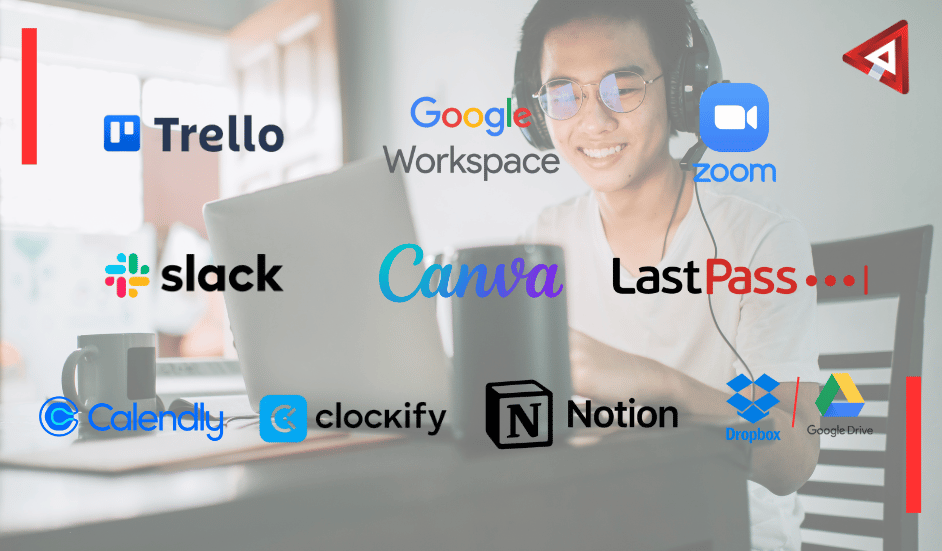
Being a Virtual Assistant (VA) means juggling tasks, handling different clients, and staying organized, all while working from home or anywhere in the world. To do all of this smoothly, VAs rely on helpful tools that save time, boost productivity, and reduce stress.

Top 10 Tools Every Virtual Assistant Uses to Stay Productive

In this blog, we’ll go over the top 10 tools that most virtual assistants use daily. These tools help with everything from task management to communication, file sharing, scheduling, and more.

1. Trello (For Task & Project Management)

Trello is one of the easiest tools for organizing your work. It uses a board and card system, which looks a lot like sticky notes on a whiteboard. You can create boards for each client or project, then add tasks (called “cards”) and move them as you make progress.

Why VAs love it:

  • Very visual and easy to use
  • You can set deadlines, add checklists, and attach files
  • Great for both solo work and team collaboration

Example: A VA managing a social media calendar can create cards for each post with deadlines and content ideas.

2. Google Workspace (For Documents, Sheets, Emails & Meetings)

Google Workspace includes tools like:

  • Gmail (for emails)
  • Google Docs (for writing)
  • Google Sheets (for tracking data)
  • Google Calendar (for scheduling)
  • Google Meet (for video calls)

This suite is like a one-stop shop for all admin needs.

Why VAs love it:

  • Easy to share and collaborate on files
  • All work is saved in the cloud
  • You can access your work from anywhere

Example: A VA can draft blog posts in Docs, create a content calendar in Sheets, and share everything with a client using just one link.

3. Zoom (For Video Calls & Meetings)

Zoom has become one of the most popular tools for virtual meetings. It’s simple, reliable, and widely used by clients and companies.

Why VAs love it:

  • Clear video and audio quality
  • Easy to schedule and join meetings
  • You can record meetings for later

Example: A VA can set up a weekly client check-in via Zoom to discuss progress, questions, or changes in tasks.

4. Slack (For Instant Team Communication)

Slack is like WhatsApp, but for work. It helps VAs chat with clients or teams instantly, without long email threads.

Why VAs love it:

  • Real-time messaging with groups or individuals
  • You can create different channels for different topics
  • You can share files and even integrate other tools

Example: A VA working with a startup might have Slack channels for marketing, content, and customer support.

5. Canva (For Creating Designs)

Many virtual assistants handle simple graphic tasks, like creating social media posts, newsletters, or presentations. Canva makes this super easy, even for beginners.

Why VAs love it:

  • Drag-and-drop design system
  • Thousands of free templates
  • Great for making Instagram posts, logos, flyers, and more

Example: A VA can create a month’s worth of Instagram content for a client using Canva templates in just a few hours.

6. LastPass (For Password Management)

VAs often work with several tools and accounts that require logins. Managing passwords safely is a must, and that’s where LastPass comes in.

Why VAs love it:

  • Stores all passwords in one secure place
  • You only need to remember one master password
  • You can safely share access with clients

Example: A client can share their Instagram account login with their VA through LastPass without actually giving the password.

7. Calendly (For Scheduling Meetings)

Calendly removes the headache of back-and-forth emails when trying to set up a meeting. You just send a link, and others can book a time based on your availability.

Why VAs love it:

  • Automatically syncs with Google Calendar
  • Saves time and avoids double bookings
  • Great for client onboarding or calls

Example: A VA can send their Calendly link to new clients to let them choose a suitable time for the first call.

8. Clockify (For Time Tracking)

Time tracking is important when you charge by the hour or need to show how time was spent on a task. Clockify is a free, simple tool for this.

Why VAs love it:

  • Tracks how much time you spend on each task
  • You can generate reports to show clients
  • Helps manage multiple projects at once

Example: A VA can track time spent on email management, graphic design, and research separately, then share a weekly report.

9. Notion (For Note-Taking & Databases)

Notion is like a digital notebook—but more powerful. You can use it for almost anything: taking notes, creating a knowledge base, tracking habits, or even building a mini-CRM.

Why VAs love it:

  • Very customizable
  • Great for organizing information and ideas
  • Can replace several other tools if used smartly

Example: A VA can create a personal dashboard in Notion to track all tasks, goals, client details, and content ideas.

10. Dropbox or Google Drive (For File Storage & Sharing)

VAs often work with large files like videos, presentations, and photos. Storing and sharing these files safely is key.

Why VAs love it:

  • Cloud storage saves space on your computer
  • Easy to share files with anyone, anytime
  • Good backup in case of device failure

Example: A VA editing video content can upload the final files to Dropbox and share the download link with the client.

Bonus Tools VAs Often Use

Depending on their job, VAs might also use:

  • Grammarly: To check grammar and spelling in emails and documents.
  • Asana: Another great project management tool like Trello.
  • Hubstaff: For time tracking with screenshots (used by some clients for remote monitoring).
  • Mailchimp: For creating and sending email newsletters.

Final Thoughts

Every VA is different. Some work more with social media, others with data entry or customer service. But one thing is common—they all need tools to help manage time, communicate better, stay organized, and keep clients happy.

The good news is, most of these tools are free or have a free version to get started. As you grow and handle more clients, you can upgrade when needed.

If you’re a new VA or planning to become one, these tools will save you hours of time, reduce confusion, and make your work feel more under control.

Start with just a few, learn how they work, and build your own toolkit as you go. Productivity is not just about doing more; it’s about doing the right things, at the right time, with the right tools.